


Maximizing Your Aquatic Environment: The Benefits of Acrylic Fish Tanks
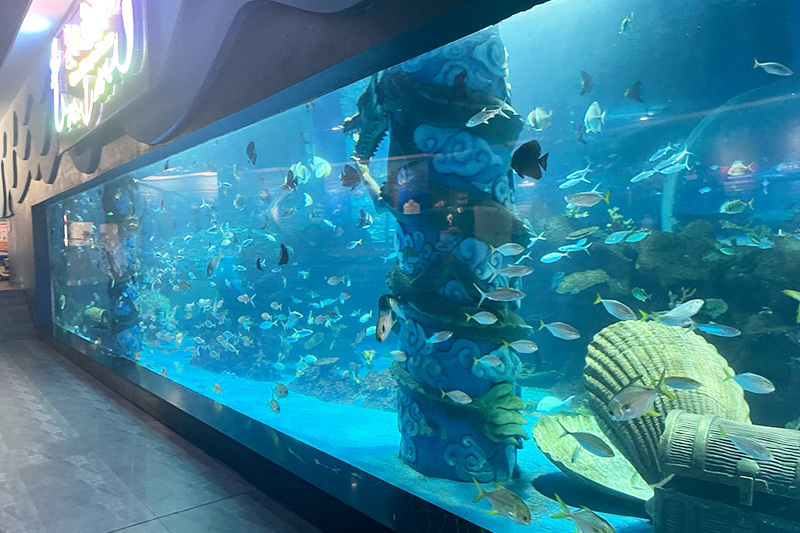
Acrylic fish tanks have emerged as a popular choice for those involved in aquaculture and aquatic farming. Unlike traditional glass tanks, acrylic offers a variety of benefits that make it a superior option for housing fish, aquatic plants, and other marine life. This article delves into the practical advantages of acrylic fish tanks and how they can positively impact your aquatic environment. One
Release time:
2025-09-29
Acrylic fish tanks have emerged as a popular choice for those involved in aquaculture and aquatic farming. Unlike traditional glass tanks, acrylic offers a variety of benefits that make it a superior option for housing fish, aquatic plants, and other marine life. This article delves into the practical advantages of acrylic fish tanks and how they can positively impact your aquatic environment.
One of the most significant benefits of acrylic fish tanks is their lightweight nature. Acrylic is considerably lighter than glass, making it easier to transport, handle, and install. This is particularly advantageous for large setups or for those who frequently rearrange their aquaculture facilities. The reduced weight also means that less robust supporting structures are needed, which can lead to cost savings in terms of construction materials.
Durability is another key advantage of acrylic fish tanks. Acrylic is more impact-resistant than glass, reducing the risk of breakage during handling or in case of accidental bumps. This durability extends the lifespan of the tank, making it a wise investment for aquaculture practices. Additionally, the clarity of acrylic allows for an unobstructed view of the aquatic life within, enhancing the aesthetic appeal of your setup.
Acrylic tanks also provide superior insulation properties compared to glass. They can help maintain stable water temperatures, which is crucial for the health and growth of fish and other aquatic organisms. In aquaculture, temperature fluctuations can lead to stress or even fatalities among your stock. By ensuring consistent temperatures, acrylic tanks contribute to a healthier and more productive environment.
Maintenance is another area where acrylic fish tanks shine. They are easier to clean than glass tanks, as they are less prone to scratches that can harbor algae or bacteria. A smooth surface allows for efficient cleaning, ensuring that your aquatic environment remains pristine and that the health of your fish is prioritized. Furthermore, with proper care, acrylic can maintain its clarity over time, avoiding the cloudiness that can sometimes develop in glass tanks.
When considering filtration systems, acrylic fish tanks can be designed with built-in filtration capabilities. This feature simplifies the setup process while ensuring optimal water quality for your fish. Effective filtration is vital for aquaculture, as it reduces harmful waste and promotes a balanced ecosystem within the tank.
In summary, acrylic fish tanks offer various advantages for those engaged in aquaculture. Their lightweight nature, durability, thermal insulation, ease of maintenance, and potential for integrated filtration systems make them an excellent choice for housing aquatic life. By investing in an acrylic fish tank, you not only enhance the visual appeal of your facility but also create a healthier environment for your fish, ultimately leading to more successful aquaculture practices.
Acrylic fish tank
Latest information


WhatsApp: 8615371043985
Add: CAI Xi Group, CAI Xiang Village, Jichuan Street, Taixing City, Jiangsu Province, China