


Transforming Aquaculture: The Benefits of Acrylic Fish Tanks for Sustainable Farming
Acrylic fish tanks have gained popularity in the aquaculture industry due to their unique properties that enhance both functionality and aesthetics. Composed of a durable, lightweight polymer, acrylic offers several advantages compared to traditional glass tanks. Its clarity allows for excellent visibility, enabling farmers to monitor fish behavior and overall tank conditions easily. This superior
Release time:
2025-10-19
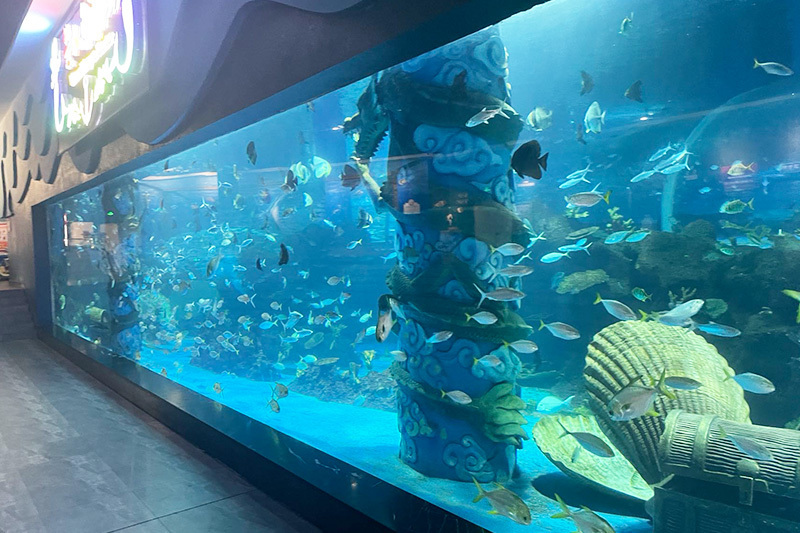
Acrylic fish tanks have gained popularity in the aquaculture industry due to their unique properties that enhance both functionality and aesthetics. Composed of a durable, lightweight polymer, acrylic offers several advantages compared to traditional glass tanks. Its clarity allows for excellent visibility, enabling farmers to monitor fish behavior and overall tank conditions easily. This superior visibility not only aids in fish care but also enhances the design of aquaculture setups, creating visually appealing installations.
One of the most significant benefits of acrylic fish tanks is their strength and durability. They are resistant to impact, making them less likely to chip or break compared to glass. This quality is especially important in environments where handling may be frequent. Additionally, acrylic tanks are lighter than glass, making them easier to transport and install, which can be a vital factor for mobile aquaculture setups.
Acrylic also offers excellent insulation properties. This helps maintain stable water temperatures, reducing the energy costs associated with heating or cooling the tank environment. Stable water temperatures are crucial for the health and growth of aquatic species, making acrylic tanks an efficient choice for both freshwater and saltwater applications.
Another aspect worth noting is the versatility of acrylic fish tanks. They can be custom-made in various shapes and sizes to fit specific requirements, whether for breeding, growing out, or displaying fish. This adaptability allows aquaculture businesses to optimize space and create setups that are tailored to their operational needs.
Moreover, acrylic tanks can be designed with various filtration and aeration systems integrated into them, further enhancing their functionality. Proper filtration is essential for maintaining water quality, while aeration ensures that fish receive adequate oxygen, contributing to a healthier environment.
In terms of maintenance, acrylic fish tanks are relatively easy to clean, as they do not develop the same amount of algae as glass tanks. This ease of maintenance translates into lower labor costs and less downtime for aquaculture operations, allowing farmers to focus on growth and production.
In conclusion, acrylic fish tanks present a multitude of benefits for aquaculture applications, including durability, insulation, and versatility. Their ability to create visually appealing and functional environments makes them an excellent choice for sustainable farming. As the aquaculture industry continues to evolve, embracing innovative technologies like acrylic fish tanks will be essential for future growth and sustainability. Whether you are a hobbyist or a commercial farmer, considering acrylic for your fish tank needs can lead to improved outcomes and a more enjoyable aquaculture experience.
One of the most significant benefits of acrylic fish tanks is their strength and durability. They are resistant to impact, making them less likely to chip or break compared to glass. This quality is especially important in environments where handling may be frequent. Additionally, acrylic tanks are lighter than glass, making them easier to transport and install, which can be a vital factor for mobile aquaculture setups.
Acrylic also offers excellent insulation properties. This helps maintain stable water temperatures, reducing the energy costs associated with heating or cooling the tank environment. Stable water temperatures are crucial for the health and growth of aquatic species, making acrylic tanks an efficient choice for both freshwater and saltwater applications.
Another aspect worth noting is the versatility of acrylic fish tanks. They can be custom-made in various shapes and sizes to fit specific requirements, whether for breeding, growing out, or displaying fish. This adaptability allows aquaculture businesses to optimize space and create setups that are tailored to their operational needs.
Moreover, acrylic tanks can be designed with various filtration and aeration systems integrated into them, further enhancing their functionality. Proper filtration is essential for maintaining water quality, while aeration ensures that fish receive adequate oxygen, contributing to a healthier environment.
In terms of maintenance, acrylic fish tanks are relatively easy to clean, as they do not develop the same amount of algae as glass tanks. This ease of maintenance translates into lower labor costs and less downtime for aquaculture operations, allowing farmers to focus on growth and production.
In conclusion, acrylic fish tanks present a multitude of benefits for aquaculture applications, including durability, insulation, and versatility. Their ability to create visually appealing and functional environments makes them an excellent choice for sustainable farming. As the aquaculture industry continues to evolve, embracing innovative technologies like acrylic fish tanks will be essential for future growth and sustainability. Whether you are a hobbyist or a commercial farmer, considering acrylic for your fish tank needs can lead to improved outcomes and a more enjoyable aquaculture experience.
Acrylic fish tank
Latest information


WhatsApp: 8615371043985
Add: CAI Xi Group, CAI Xiang Village, Jichuan Street, Taixing City, Jiangsu Province, China