


Acrylic vs. Glass: Which Fish Tank Material Reigns Supreme?
Acrylic vs. Glass: Which Fish Tank Material Reigns Supreme? Introduction to Fish Tank Materials In the world of aquariums, the choice of tank material significantly impacts aesthetics, maintenance, and the overall health of aquatic life. Among the most popular materials are acrylic and glass, each boasting unique advantages and disadvantages. In this article, we will delve deep into the charac
Release time:
2025-10-24
Acrylic vs. Glass: Which Fish Tank Material Reigns Supreme?
Introduction to Fish Tank Materials
In the world of aquariums, the choice of tank material significantly impacts aesthetics, maintenance, and the overall health of aquatic life. Among the most popular materials are acrylic and glass, each boasting unique advantages and disadvantages. In this article, we will delve deep into the characteristics of both acrylic and glass fish tanks, helping you make an informed decision for your aquatic environment.
Understanding Acrylic Fish Tanks
What is Acrylic?
Acrylic is a synthetic polymer known for its clarity and lightweight properties. It is often used in various applications, including fish tanks, due to its versatility and durability.
Advantages of Acrylic Fish Tanks
1. **Lightweight**: Acrylic tanks are significantly lighter than glass tanks, making them easier to move and set up.
2. **Impact Resistance**: Acrylic is much less likely to shatter compared to glass, providing a safer environment for both fish and people.
3. **Insulation Properties**: Acrylic tanks retain heat better than glass, which can be beneficial for maintaining a stable environment for tropical fish.
4. **Seamless Design**: Acrylic can be molded into various shapes without seams, resulting in a more aesthetically pleasing appearance.
Disadvantages of Acrylic Fish Tanks
1. **Scratching**: Acrylic is prone to scratching, which can impair visibility over time.
2. **Price**: Acrylic tanks can be more expensive than their glass counterparts, particularly for larger sizes.
3. **Chemical Sensitivity**: Certain cleaning agents can damage acrylic, requiring careful maintenance.
Understanding Glass Fish Tanks
What is Glass?
Glass fish tanks are the traditional choice for aquarists. Composed of silica, glass has been used for centuries in fishkeeping.
Advantages of Glass Fish Tanks
1. **Scratch Resistance**: Glass is much less prone to scratches than acrylic, maintaining clarity over time.
2. **Cost-Effective**: Generally, glass tanks are more affordable, especially in larger sizes.
3. **Chemical Stability**: Glass is not damaged by common cleaning agents, making it easier to maintain.
Disadvantages of Glass Fish Tanks
1. **Weight**: Glass tanks are considerably heavier, making transportation and installation more challenging.
2. **Fragility**: Glass is more likely to shatter upon impact, posing risks in environments with high activity or movement.
3. **Thermal Conductivity**: Glass tanks can lose heat more quickly than acrylic, possibly leading to temperature fluctuations.
Comparative Analysis: Acrylic vs. Glass
Durability and Safety
When considering durability, acrylic takes the lead due to its impact resistance. Families with children or pets may find acrylic to be a safer option. Glass, while scratch-resistant, poses a risk of breaking if not handled carefully.
Maintenance and Care
Acrylic tanks require special care to avoid scratches, while glass tanks, being easier to clean with standard solutions, may be perceived as more user-friendly. Regular maintenance is essential for both types to prevent algae buildup and maintain clarity.
Cost Considerations
In terms of initial investment, glass fish tanks are often less expensive than acrylic. However, the long-term maintenance and potential replacement costs due to scratches or damage in acrylic tanks should be factored in when considering the overall cost.
Aesthetic Appeal
Acrylic tanks can be custom-designed with unique shapes and sizes, allowing for a more personalized aquarium. Glass tanks, while classic and timeless, may not offer the same design flexibility.
Choosing the Right Material for Your Fish Tank
Consideration Factors
1. **Type of Fish**: Certain fish species thrive better in stable environments. If you plan to keep tropical fish requiring specific temperatures, an acrylic tank may be more advantageous.
2. **Location**: If your tank needs to be moved frequently, acrylic’s lightweight nature is beneficial. Conversely, if your aquarium will be stationary, the durability of glass might be preferable.
3. **Budget**: Evaluate your budget for both initial purchase and maintenance costs over time.
Expert Recommendations
When choosing between acrylic and glass, consider the specific needs of your aquarium setup. For beginners, glass tanks can be a more manageable choice due to their affordability and ease of maintenance. Advanced aquarists may prefer acrylic for its design flexibility and insulation properties.
FAQs About Fish Tank Materials
1. Are acrylic tanks better than glass tanks?
Both materials have their pros and cons. Acrylic is more lightweight and impact-resistant, while glass is more scratch-resistant and cost-effective.
2. How do I clean an acrylic fish tank without scratching it?
Use a soft cloth or sponge with a mild soap solution. Avoid abrasive cleaners and scouring pads.
3. Can I use an acrylic tank for saltwater fish?
Yes, acrylic tanks can be suitable for saltwater fish, but ensure proper maintenance to avoid scratches.
4. How long do acrylic and glass tanks last?
With proper care, both acrylic and glass tanks can last many years, typically over a decade.
5. Can I convert a glass tank to acrylic?**
While it’s not common, you can use acrylic sheets to create a custom setup, but it may require professional assistance.
Conclusion
In the debate over **acrylic vs. glass fish tanks**, it ultimately comes down to your specific needs, preferences, and circumstances. Acrylic offers lightweight durability and design versatility, while glass provides classic elegance and easier maintenance. By understanding the benefits and drawbacks of each material, you can make a well-informed decision that enhances your aquatic experience and ensures the health of your fish. Whether you choose acrylic or glass, the most critical factor is ensuring a safe and nurturing environment for your aquatic life.
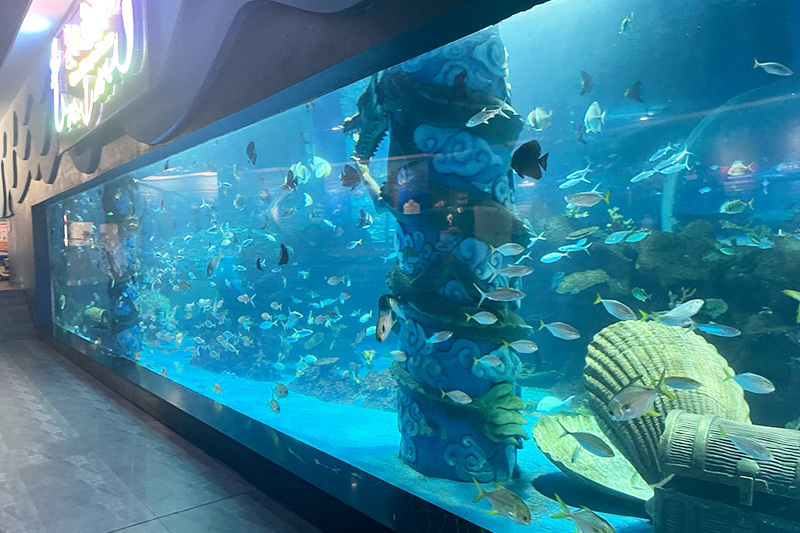
Acrylic fish tank
Latest information


WhatsApp: 8615371043985
Add: CAI Xi Group, CAI Xiang Village, Jichuan Street, Taixing City, Jiangsu Province, China