


Enhancing Aquatic Environments: The Benefits of Acrylic Fish Tanks
Acrylic fish tanks have gained significant attention in the realm of aquaculture and aquatic design due to their numerous benefits compared to traditional glass tanks. One of the primary advantages of acrylic is its superior clarity. Acrylic offers up to 92% light transmission, which provides a crystal-clear view of the aquatic life within. This feature not only enhances the visual appeal of the t
Release time:
2025-10-29
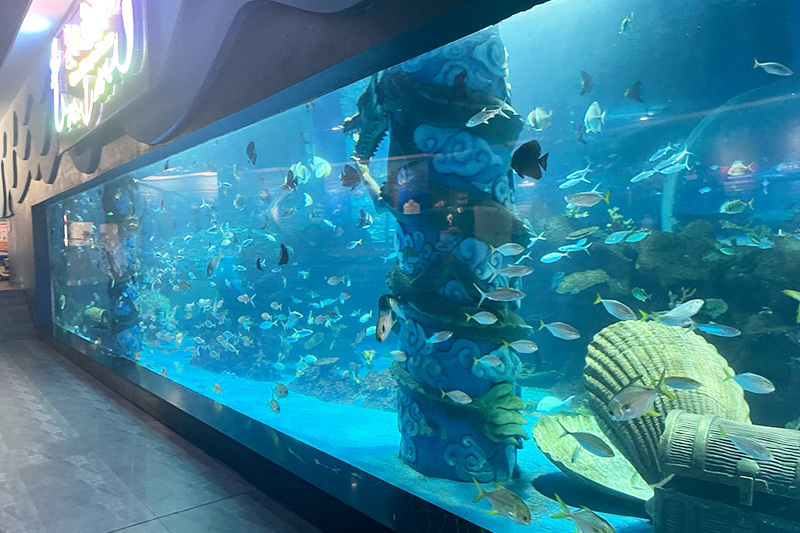
Acrylic fish tanks have gained significant attention in the realm of aquaculture and aquatic design due to their numerous benefits compared to traditional glass tanks. One of the primary advantages of acrylic is its superior clarity. Acrylic offers up to 92% light transmission, which provides a crystal-clear view of the aquatic life within. This feature not only enhances the visual appeal of the tank but also promotes healthier environments for the fish, as natural light penetration supports the growth of beneficial microorganisms and plants.
Another significant benefit of acrylic fish tanks is their lightweight nature. Compared to glass, acrylic is considerably lighter, making it easier to transport, install, and maintain. This characteristic is particularly valuable for larger tanks, alleviating the need for heavy-duty support structures and facilitating more flexible design options in agricultural setups.
Durability is yet another key factor that makes acrylic a preferred material for fish tanks. Acrylic is more resistant to impact than glass, which means it is less likely to shatter or chip. This resilience is crucial in environments where tank integrity is paramount for the safety of aquatic life. Additionally, acrylic tanks can be molded into various shapes and sizes, allowing for customized designs that can meet specific requirements of aquaculture facilities.
Acrylic fish tanks also offer excellent insulation properties. They are known to retain heat more effectively than glass, which can lead to more stable water temperatures. This thermal efficiency is particularly beneficial in aquaculture settings where maintaining a consistent climate is essential for the health and growth of fish.
Moreover, the ease of cleaning and maintenance associated with acrylic tanks cannot be overlooked. The smooth surfaces of acrylic are less prone to algae growth and scratching, making routine cleaning more straightforward. This feature not only saves time but also helps maintain a healthier environment for fish by reducing the accumulation of waste and harmful substances.
In conclusion, acrylic fish tanks represent an innovative solution for professionals in the aquaculture industry. With their exceptional clarity, lightweight nature, durability, and thermal efficiency, these tanks provide an optimal environment for aquatic life. As the demand for sustainable aquaculture practices grows, embracing the advantages of acrylic can lead to improved outcomes in fish farming and aquatic displays. By considering acrylic fish tanks, aquaculture professionals can create more effective and visually appealing aquatic systems that cater to both aesthetic and functional requirements.
Acrylic fish tank
Latest information


WhatsApp: 8615371043985
Add: CAI Xi Group, CAI Xiang Village, Jichuan Street, Taixing City, Jiangsu Province, China