


Exploring the Versatility of Acrylic Tunnels in Modern Applications
Acrylic tunnels, crafted from acrylic resin, have become increasingly popular in numerous sectors due to their remarkable properties and versatility. As a lightweight and durable material, acrylic is known for its clarity, impact resistance, and weatherability. These characteristics make acrylic tunnels an excellent choice for a variety of applications, ranging from artistic endeavors to functiona
Release time:
2025-11-30
Acrylic tunnels, crafted from acrylic resin, have become increasingly popular in numerous sectors due to their remarkable properties and versatility. As a lightweight and durable material, acrylic is known for its clarity, impact resistance, and weatherability. These characteristics make acrylic tunnels an excellent choice for a variety of applications, ranging from artistic endeavors to functional uses in the chemical and plastic industries.
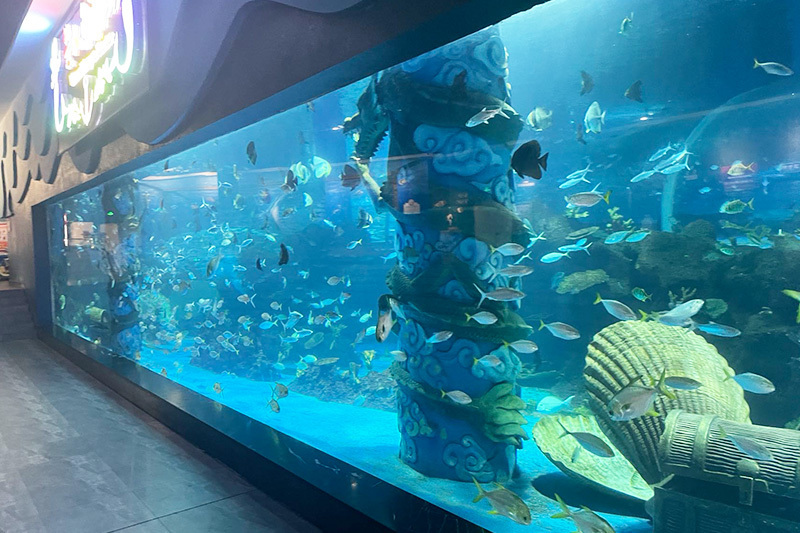
One of the primary advantages of acrylic tunnels is their transparency. This optical clarity allows for maximum visibility, making them ideal for display purposes. In retail environments, for example, acrylic tunnels can be used to showcase products, providing a modern and sleek aesthetic that draws the attention of customers. Similarly, in the art world, artists often utilize acrylic tunnels to create innovative installations that play with light and perception.
In addition to their aesthetic appeal, acrylic tunnels are also highly functional. Their lightweight nature makes them easy to handle and install, which is particularly beneficial in applications where ease of transport and assembly are critical. Furthermore, acrylic exhibits good resistance to UV radiation, making it suitable for both indoor and outdoor use. This property ensures that acrylic tunnels maintain their clarity and structural integrity over time, even when exposed to harsh environmental conditions.
The chemical properties of acrylic also contribute to its widespread use in various industries. Acrylic tunnels can be manufactured to be resistant to many chemicals, allowing them to be utilized in laboratory settings where exposure to solvents or corrosive substances is common. This aspect not only enhances the durability of the tunnels but also ensures the safety of personnel working within these environments.
Moreover, acrylic tunnels can be customized to meet specific requirements, including size, shape, and color. This flexibility allows businesses to design solutions that fit their unique needs, whether it’s for functional applications or artistic expressions. With advancements in technology, techniques like laser cutting and 3D printing now enable the creation of intricate designs, further expanding the possibilities for acrylic tunnel applications.
In conclusion, acrylic tunnels serve as a remarkable example of how modern materials can be effectively utilized across different fields. Their combination of aesthetic appeal, practical functionality, and chemical resistance makes them an invaluable asset in the realms of display, art, and industrial applications. As industries continue to explore innovative uses for acrylic products, the demand for versatile solutions like acrylic tunnels is likely to grow, highlighting the importance of this material in future developments. Embracing the potential of acrylic tunnels can lead to exciting opportunities for creativity and functionality in both commercial and artistic pursuits.
One of the primary advantages of acrylic tunnels is their transparency. This optical clarity allows for maximum visibility, making them ideal for display purposes. In retail environments, for example, acrylic tunnels can be used to showcase products, providing a modern and sleek aesthetic that draws the attention of customers. Similarly, in the art world, artists often utilize acrylic tunnels to create innovative installations that play with light and perception.
In addition to their aesthetic appeal, acrylic tunnels are also highly functional. Their lightweight nature makes them easy to handle and install, which is particularly beneficial in applications where ease of transport and assembly are critical. Furthermore, acrylic exhibits good resistance to UV radiation, making it suitable for both indoor and outdoor use. This property ensures that acrylic tunnels maintain their clarity and structural integrity over time, even when exposed to harsh environmental conditions.
The chemical properties of acrylic also contribute to its widespread use in various industries. Acrylic tunnels can be manufactured to be resistant to many chemicals, allowing them to be utilized in laboratory settings where exposure to solvents or corrosive substances is common. This aspect not only enhances the durability of the tunnels but also ensures the safety of personnel working within these environments.
Moreover, acrylic tunnels can be customized to meet specific requirements, including size, shape, and color. This flexibility allows businesses to design solutions that fit their unique needs, whether it’s for functional applications or artistic expressions. With advancements in technology, techniques like laser cutting and 3D printing now enable the creation of intricate designs, further expanding the possibilities for acrylic tunnel applications.
In conclusion, acrylic tunnels serve as a remarkable example of how modern materials can be effectively utilized across different fields. Their combination of aesthetic appeal, practical functionality, and chemical resistance makes them an invaluable asset in the realms of display, art, and industrial applications. As industries continue to explore innovative uses for acrylic products, the demand for versatile solutions like acrylic tunnels is likely to grow, highlighting the importance of this material in future developments. Embracing the potential of acrylic tunnels can lead to exciting opportunities for creativity and functionality in both commercial and artistic pursuits.
Acrylic tunnel
Latest information


WhatsApp: 8615371043985
Add: CAI Xi Group, CAI Xiang Village, Jichuan Street, Taixing City, Jiangsu Province, China