


The Advantages of Acrylic Fish Tanks in Aquaculture
Acrylic fish tanks are an excellent choice for aquaculture, providing numerous benefits that enhance both the aesthetic and functional aspects of fish farming. Unlike traditional glass tanks, acrylic tanks are lighter, more durable, and offer superior clarity, making them an ideal option for various aquaculture applications. One of the primary advantages of acrylic fish tanks is their strength and
Release time:
2025-12-08
Acrylic fish tanks are an excellent choice for aquaculture, providing numerous benefits that enhance both the aesthetic and functional aspects of fish farming. Unlike traditional glass tanks, acrylic tanks are lighter, more durable, and offer superior clarity, making them an ideal option for various aquaculture applications.
One of the primary advantages of acrylic fish tanks is their strength and impact resistance. Acrylic is significantly less likely to shatter or crack compared to glass, which can be crucial in high-pressure environments or when managing larger aquatic species. This durability translates into lower maintenance costs and reduced risk of loss due to tank failure.
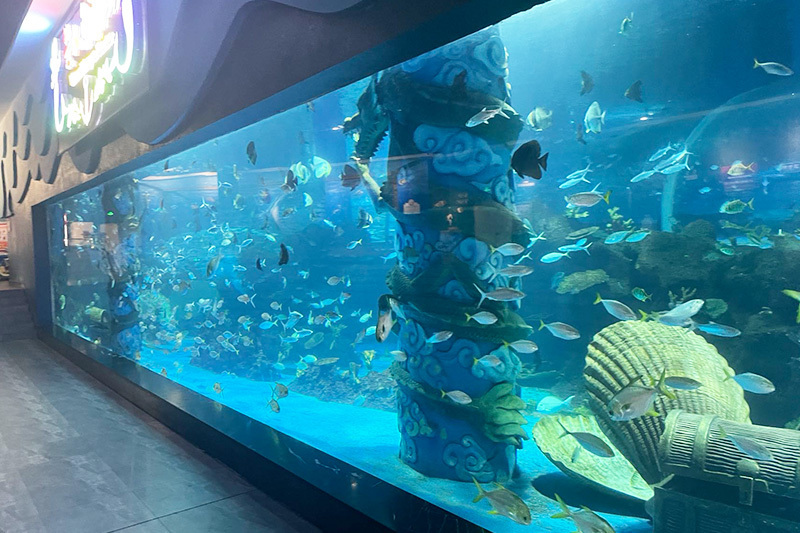
Another key benefit is the exceptional optical clarity of acrylic. With light transmission rates of up to 92%, acrylic allows for maximum visibility and enhances the viewing experience of the aquatic life within the tank. This feature is particularly beneficial for educational and commercial settings, where showcasing fish or aquatic plants is essential. The clarity also aids in monitoring the health of the aquatic ecosystem, allowing for easier observation of fish behavior and water quality.
Acrylic fish tanks can also be customized to various shapes and sizes, catering to specific needs in aquaculture. This flexibility allows aquaculture professionals to create unique setups that optimize space and enhance the overall environment for the fish. Additionally, acrylic can be easily manipulated to create aesthetically pleasing designs, improving the overall appeal of aquaculture facilities.
Moreover, acrylic fish tanks typically offer better thermal insulation than glass tanks. This property helps to maintain stable water temperatures, reducing the energy costs associated with heating or cooling the water. For aquaculture professionals, maintaining optimal water temperatures is vital for the health and growth of fish species.
Another aspect worth considering is the ease of maintenance associated with acrylic tanks. They are generally easier to clean than glass, as they are less prone to scratches that can harbor algae and bacteria. Using appropriate cleaning solutions and tools designed for acrylic can prolong the tank's lifespan while ensuring a healthier environment for aquatic life.
In summary, acrylic fish tanks present several significant advantages for professionals in aquaculture. Their robustness, clarity, customization options, thermal efficiency, and ease of maintenance make them a practical choice for modern fish farming operations. As the aquaculture industry continues to evolve, embracing innovative solutions like acrylic tanks can lead to more efficient and sustainable practices.
One of the primary advantages of acrylic fish tanks is their strength and impact resistance. Acrylic is significantly less likely to shatter or crack compared to glass, which can be crucial in high-pressure environments or when managing larger aquatic species. This durability translates into lower maintenance costs and reduced risk of loss due to tank failure.
Another key benefit is the exceptional optical clarity of acrylic. With light transmission rates of up to 92%, acrylic allows for maximum visibility and enhances the viewing experience of the aquatic life within the tank. This feature is particularly beneficial for educational and commercial settings, where showcasing fish or aquatic plants is essential. The clarity also aids in monitoring the health of the aquatic ecosystem, allowing for easier observation of fish behavior and water quality.
Acrylic fish tanks can also be customized to various shapes and sizes, catering to specific needs in aquaculture. This flexibility allows aquaculture professionals to create unique setups that optimize space and enhance the overall environment for the fish. Additionally, acrylic can be easily manipulated to create aesthetically pleasing designs, improving the overall appeal of aquaculture facilities.
Moreover, acrylic fish tanks typically offer better thermal insulation than glass tanks. This property helps to maintain stable water temperatures, reducing the energy costs associated with heating or cooling the water. For aquaculture professionals, maintaining optimal water temperatures is vital for the health and growth of fish species.
Another aspect worth considering is the ease of maintenance associated with acrylic tanks. They are generally easier to clean than glass, as they are less prone to scratches that can harbor algae and bacteria. Using appropriate cleaning solutions and tools designed for acrylic can prolong the tank's lifespan while ensuring a healthier environment for aquatic life.
In summary, acrylic fish tanks present several significant advantages for professionals in aquaculture. Their robustness, clarity, customization options, thermal efficiency, and ease of maintenance make them a practical choice for modern fish farming operations. As the aquaculture industry continues to evolve, embracing innovative solutions like acrylic tanks can lead to more efficient and sustainable practices.
Acrylic fish tank
Latest information


WhatsApp: 8615371043985
Add: CAI Xi Group, CAI Xiang Village, Jichuan Street, Taixing City, Jiangsu Province, China