


Understanding Acrylic Tunnels: Versatile Solutions in the Plastic Industry
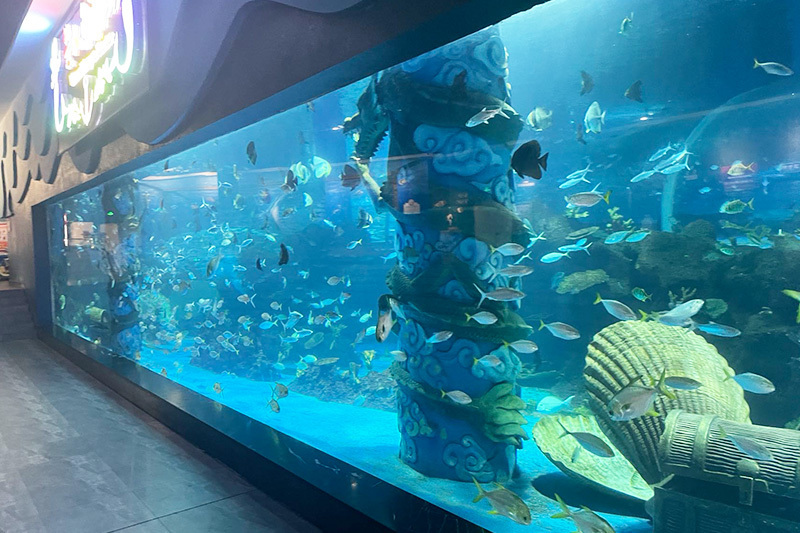
Acrylic tunnels, made from polymethyl methacrylate (PMMA), are transparent, lightweight structures that serve numerous functions across different sectors. Their exceptional clarity and resistance to UV light make them a preferred choice for applications that require visibility and durability. Unlike traditional glass, acrylic is shatter-resistant, making it a safe alternative for environments wher
Release time:
2025-12-10
Acrylic tunnels, made from polymethyl methacrylate (PMMA), are transparent, lightweight structures that serve numerous functions across different sectors. Their exceptional clarity and resistance to UV light make them a preferred choice for applications that require visibility and durability. Unlike traditional glass, acrylic is shatter-resistant, making it a safe alternative for environments where breakage could pose a risk.
One of the primary benefits of using acrylic tunnels is their versatility. They can be fabricated in various shapes and sizes, allowing for customized solutions tailored to specific needs. This adaptability is particularly valuable in industries such as architecture, horticulture, and even aquaculture. In horticulture, for example, acrylic tunnels can be utilized as protective coverings that enhance plant growth by providing a controlled environment while allowing sunlight to penetrate effectively.
In addition to their practical applications, acrylic tunnels are also favored for their aesthetic appeal. The smooth surface of acrylic can be easily polished and coated, providing an attractive finish that enhances the overall design of any project. This feature is particularly advantageous in architectural settings where aesthetics play a crucial role.
From a manufacturing perspective, acrylic tunnels are lightweight, which simplifies transportation and installation compared to heavier materials. This quality not only reduces labor costs but also minimizes the environmental impact associated with transporting raw materials. Furthermore, acrylic can be produced in different colors and opacities, offering designers and engineers a broader palette to work with.
Despite their many advantages, it is essential to properly maintain acrylic tunnels to ensure longevity. Simple cleaning with mild soap and water, along with avoiding harsh chemicals, can preserve their clarity and prevent scratching. Additionally, while acrylic is resistant to many environmental factors, it is important to consider its thermal expansion properties and UV degradation potential over time when designing for long-term use.
In summary, acrylic tunnels represent a significant innovation in the field of plastics. Their unique properties offer a blend of functionality and aesthetic appeal, making them suitable for a wide range of applications. Whether in construction, agriculture, or specialized manufacturing, understanding the characteristics and benefits of acrylic tunnels can lead to more effective and efficient solutions in the plastic industry.
One of the primary benefits of using acrylic tunnels is their versatility. They can be fabricated in various shapes and sizes, allowing for customized solutions tailored to specific needs. This adaptability is particularly valuable in industries such as architecture, horticulture, and even aquaculture. In horticulture, for example, acrylic tunnels can be utilized as protective coverings that enhance plant growth by providing a controlled environment while allowing sunlight to penetrate effectively.
In addition to their practical applications, acrylic tunnels are also favored for their aesthetic appeal. The smooth surface of acrylic can be easily polished and coated, providing an attractive finish that enhances the overall design of any project. This feature is particularly advantageous in architectural settings where aesthetics play a crucial role.
From a manufacturing perspective, acrylic tunnels are lightweight, which simplifies transportation and installation compared to heavier materials. This quality not only reduces labor costs but also minimizes the environmental impact associated with transporting raw materials. Furthermore, acrylic can be produced in different colors and opacities, offering designers and engineers a broader palette to work with.
Despite their many advantages, it is essential to properly maintain acrylic tunnels to ensure longevity. Simple cleaning with mild soap and water, along with avoiding harsh chemicals, can preserve their clarity and prevent scratching. Additionally, while acrylic is resistant to many environmental factors, it is important to consider its thermal expansion properties and UV degradation potential over time when designing for long-term use.
In summary, acrylic tunnels represent a significant innovation in the field of plastics. Their unique properties offer a blend of functionality and aesthetic appeal, making them suitable for a wide range of applications. Whether in construction, agriculture, or specialized manufacturing, understanding the characteristics and benefits of acrylic tunnels can lead to more effective and efficient solutions in the plastic industry.
Acrylic tunnel
Latest information


WhatsApp: 8615371043985
Add: CAI Xi Group, CAI Xiang Village, Jichuan Street, Taixing City, Jiangsu Province, China