


Understanding Acrylic Tunnels: Versatile Solutions in the Chemical and Plastic Industry
Acrylic tunnels, often made from polymethyl methacrylate (PMMA), are transparent plastic tubes that offer exceptional clarity and UV resistance. They are lightweight, durable, and weather-resistant, making them an ideal choice for a wide range of applications. One of the primary reasons for their rising popularity is their versatility. They can be manufactured in various sizes and shapes, allowing
Release time:
2025-12-22
Acrylic tunnels, often made from polymethyl methacrylate (PMMA), are transparent plastic tubes that offer exceptional clarity and UV resistance. They are lightweight, durable, and weather-resistant, making them an ideal choice for a wide range of applications. One of the primary reasons for their rising popularity is their versatility. They can be manufactured in various sizes and shapes, allowing for customization based on specific needs.
In the chemical and plastic industries, acrylic tunnels serve multiple purposes. They are commonly used in laboratory settings for fluid transport and storage due to their chemical resistance. Acrylic is less likely to degrade when exposed to various chemicals compared to other materials, making it a safer option for handling hazardous substances. Additionally, acrylic tunnels can be used in manufacturing processes that require precise fluid dynamics, ensuring that substances flow smoothly without contamination.
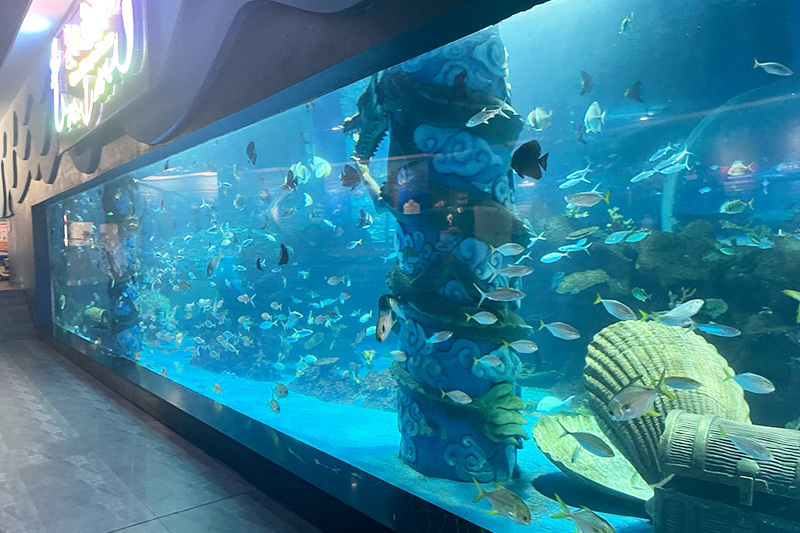
Another significant advantage of acrylic tunnels is their excellent optical clarity. This property is particularly beneficial in applications where visibility is crucial, such as aquariums or display cases. The transparency of acrylic allows for unobstructed viewing, enhancing the aesthetic appeal of the products housed within.
Furthermore, acrylic tunnels are easy to fabricate and can be machined to create intricate designs. This capability opens up possibilities for innovation in product development. Industries can utilize these tunnels for creative display solutions or unique product packaging, tailored to attract customers’ attention.
When considering the use of acrylic tunnels, it is essential to factor in their thermal properties. Acrylic can expand and contract with temperature changes, so it's vital to take this into account during design and installation processes. Ensuring adequate space for movement can prevent cracking or deformation over time.
Maintenance of acrylic tunnels is relatively straightforward. Regular cleaning with non-abrasive materials is recommended to maintain their clarity and prevent scratching. Protective coatings can also be applied to enhance durability and resist environmental factors.
In summary, acrylic tunnels are a valuable addition to the chemical and plastic industries, offering durability, clarity, and versatility. Their applications range from laboratory use to innovative display solutions, making them an essential component for businesses looking to enhance their product offerings. By understanding the benefits and considerations involved in using acrylic tunnels, companies can leverage these materials to improve efficiency and effectiveness in their operations.
Acrylic tunnel
Latest information


WhatsApp: 8615371043985
Add: CAI Xi Group, CAI Xiang Village, Jichuan Street, Taixing City, Jiangsu Province, China