


Understanding the Benefits of Acrylic Cylinders in Aquaculture
Acrylic cylinders have emerged as a popular choice in the agricultural and aquaculture sectors due to their unique properties and versatility. These transparent, lightweight, and durable structures are made from polymethyl methacrylate (PMMA), offering a variety of benefits that can significantly enhance operations in facilities agriculture and fishing equipment. One of the primary advantages of u
Release time:
2025-12-26
Acrylic cylinders have emerged as a popular choice in the agricultural and aquaculture sectors due to their unique properties and versatility. These transparent, lightweight, and durable structures are made from polymethyl methacrylate (PMMA), offering a variety of benefits that can significantly enhance operations in facilities agriculture and fishing equipment.
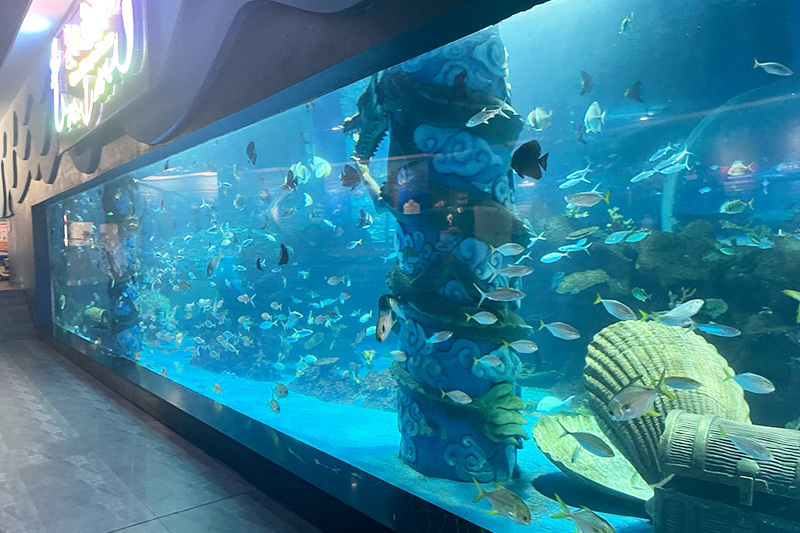
One of the primary advantages of using acrylic cylinders is their clarity. With high optical transparency, they allow maximum light penetration, which is essential in aquaculture where lighting conditions can significantly impact plant growth and aquatic life health. This feature makes acrylic cylinders particularly valuable in aquaponics systems, where the interplay of plant and fish cultivation is crucial. Enhanced light distribution ensures that both plants and fish can thrive, promoting a more efficient and productive farming system.
Acrylic cylinders are also resistant to various environmental factors, making them ideal for both indoor and outdoor applications. Unlike glass, acrylic is shatter-resistant, which reduces the risk of breakage during handling or installation. This durability is particularly beneficial in aquaculture settings, where equipment may be subject to harsh conditions or require frequent maintenance. Additionally, acrylic can withstand a range of temperatures, ensuring that it remains functional in diverse climates.
Another significant benefit of acrylic cylinders is their lightweight nature. Compared to traditional materials like glass or metal, acrylic is much easier to transport and install. This can lower labor costs and simplify setup procedures, allowing farmers to focus more on the operational aspects of their aquaculture systems rather than dealing with heavy and cumbersome materials.
Moreover, acrylic cylinders are easy to clean and maintain, reducing downtime in aquaculture operations. The smooth surface of acrylic prevents the build-up of algae and other contaminants, which is vital for maintaining the health of fish and plants. Regular cleaning is simplified, contributing to a more hygienic environment that supports optimal growth and yield.
Acrylic cylinders can be customized to meet specific requirements in various applications, whether used for filtration systems, water tanks, or as part of an innovative aquaponics setup. Their adaptability allows for creative design solutions tailored to the unique needs of individual farming operations.
In conclusion, the incorporation of acrylic cylinders into agricultural practices, particularly in aquaculture, provides numerous benefits that can improve efficiency, durability, and productivity. As the industry continues to evolve, embracing innovative materials like acrylic will be crucial for promoting sustainable farming techniques and ensuring the successful cultivation of both crops and aquatic life.
Acrylic cylinder
Latest information


WhatsApp: 8615371043985
Add: CAI Xi Group, CAI Xiang Village, Jichuan Street, Taixing City, Jiangsu Province, China