


Understanding Acrylic Tunnels: Applications and Benefits in the Chemical Industry
Acrylic tunnels, crafted from polymethyl methacrylate (PMMA), are transparent structures that serve a multitude of purposes across various industries, particularly in the realm of chemical applications. One of the most notable attributes of acrylic is its clarity, which allows for excellent light transmission. This property makes acrylic tunnels an ideal choice for applications that require visibi
Release time:
2026-01-13
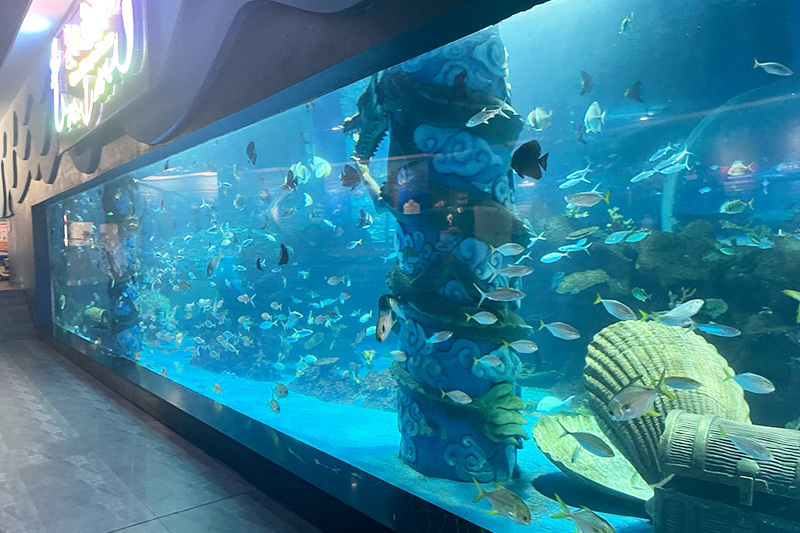
Acrylic tunnels, crafted from polymethyl methacrylate (PMMA), are transparent structures that serve a multitude of purposes across various industries, particularly in the realm of chemical applications. One of the most notable attributes of acrylic is its clarity, which allows for excellent light transmission. This property makes acrylic tunnels an ideal choice for applications that require visibility, such as lighting installations, aquariums, and display cases.
In the chemical industry, acrylic tunnels are often utilized for transporting fluids or gases. Their resistance to UV radiation and weathering ensures durability and longevity when exposed to environmental elements. Additionally, acrylic has a high resistance to many chemicals, making it suitable for handling various substances without the risk of degradation. This characteristic is particularly crucial in chemical processing environments where exposure to reactive agents is frequent.
Another significant advantage of acrylic tunnels is their lightweight nature compared to traditional glass tunnels. This feature not only simplifies installation but also reduces structural support requirements, resulting in cost-effective solutions for businesses. Moreover, acrylic can be easily molded into various shapes and sizes, providing customization options to meet specific project needs.
The impact resistance of acrylic is another aspect worth noting. Unlike glass, which can shatter under impact, acrylic tunnels are less likely to break, thereby enhancing safety in operational settings. This resilience is particularly beneficial in environments where accidental impacts may occur, ensuring a safer workplace.
Acrylic tunnels also play an essential role in promoting energy efficiency. Their transparency allows for natural light penetration, reducing the need for artificial lighting during daytime operations. This energy-saving characteristic aligns with sustainable practices, a growing concern in the chemical industry.
Moreover, the aesthetic appeal of acrylic tunnels cannot be overlooked. Their sleek and modern appearance can enhance the visual aspects of a facility, making them a preferred choice for businesses looking to improve their branding and customer experience.
In conclusion, acrylic tunnels present a multitude of benefits that make them indispensable in the chemical and plastics industry. Their chemical resistance, lightweight nature, impact durability, and aesthetic qualities position them as a superior alternative to traditional materials. As industries continue to evolve, the application of acrylic tunnels will likely expand, showcasing their versatility and effectiveness in fulfilling diverse needs. Understanding these properties and advantages can help professionals make informed decisions when selecting materials for their projects, ultimately leading to enhanced efficiency and safety in operations.
Acrylic tunnel
Latest information


WhatsApp: 8615371043985
Add: CAI Xi Group, CAI Xiang Village, Jichuan Street, Taixing City, Jiangsu Province, China