


The Eco-Friendly Choice: Acrylic Fish Tanks and Sustainability
The Eco-Friendly Choice: Acrylic Fish Tanks and Sustainability Introduction to Sustainable Aquatic Solutions In today’s world, sustainability is not just a trend; it is a necessity. As we seek ways to minimize our environmental impact, even hobbies such as fishkeeping can be approached with an eco-conscious mindset. Acrylic fish tanks have emerged as a popular alternative to traditional glass
Release time:
2026-01-16
The Eco-Friendly Choice: Acrylic Fish Tanks and Sustainability
Introduction to Sustainable Aquatic Solutions
In today’s world, sustainability is not just a trend; it is a necessity. As we seek ways to minimize our environmental impact, even hobbies such as fishkeeping can be approached with an eco-conscious mindset. Acrylic fish tanks have emerged as a popular alternative to traditional glass tanks, offering various benefits that align well with sustainability goals. This article will delve into the multiple aspects of **acrylic fish tanks** and how they can be a sustainable choice for both aquarists and the environment.
Understanding Acrylic: Material Properties and Advantages
What is Acrylic?
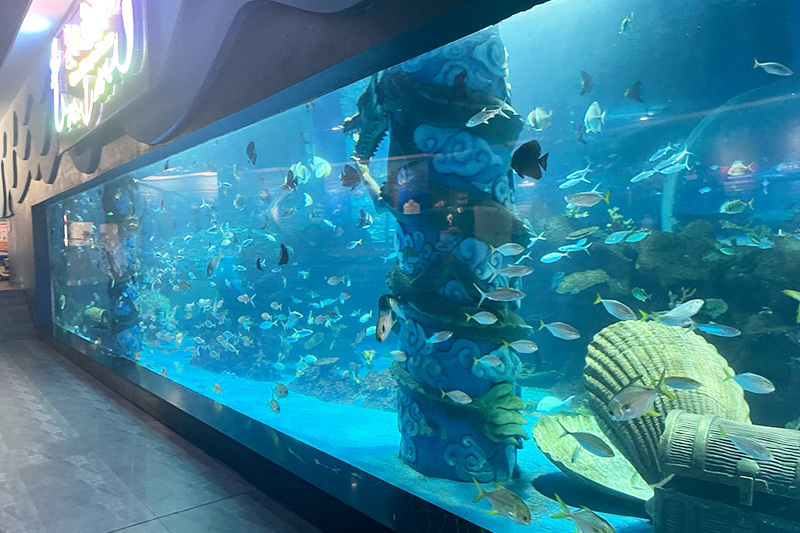
Acrylic, also known as polymethyl methacrylate (PMMA), is a synthetic polymer that is often used as a lightweight and shatter-resistant alternative to glass. Its clarity and durability make it an attractive choice for aquariums. Acrylic is often favored for large tanks, as it can be manufactured in large sheets, allowing for seamless designs that offer uninterrupted views of aquatic life.
Key Benefits of Acrylic Over Glass
1. **Lightweight**: Acrylic is significantly lighter than glass, making it easier to transport and set up. This is particularly beneficial for larger tanks that can weigh hundreds of pounds when filled.
2. **Impact Resistance**: Acrylic is much more resistant to shattering than glass, reducing the risk of accidental breakage and the associated hazards.
3. **Insulation Properties**: Acrylic provides better insulation than glass, helping to maintain water temperature and reducing energy consumption in heating systems.
4. **Clarity and Aesthetics**: Acrylic tanks provide a clearer view of aquatic life and can be molded into unique shapes, enhancing the aesthetic appeal of any space.
5. **Customization Options**: Acrylic can be easily molded and shaped, allowing for custom designs that cater to specific needs and preferences.
The Eco-Friendly Manufacturing Process Behind Acrylic Fish Tanks
How Acrylic is Made
The production of acrylic involves a process known as polymerization, where monomers are chemically bonded to form long chains. Although the extraction and processing of the raw materials do have an environmental impact, several manufacturers are adopting greener practices. By utilizing advanced technology and energy-efficient methods, they are significantly reducing the carbon footprint associated with acrylic production.
Recyclability of Acrylic
One of the significant advantages of acrylic is its recyclability. Unlike glass, which can be infinitely recycled but often requires significant energy consumption to remelt, acrylic can be repurposed into new products with relatively lower energy usage. This process helps minimize waste and promotes a circular economy, making acrylic a more sustainable option in the long run.
Creating a Sustainable Aquascape with Acrylic Fish Tanks
Choosing Eco-Friendly Equipment and Accessories
When setting up an acrylic fish tank, consider choosing equipment that aligns with sustainable practices. Opt for energy-efficient filters, LED lighting, and natural filtration systems such as live plants. These choices not only enhance the health of your aquarium but also reduce your overall energy consumption.
Benefits of Live Plants in Acrylic Aquariums
Incorporating live plants into your acrylic aquarium can further enhance sustainability. Live plants help improve water quality by absorbing nitrates and providing oxygen, creating a healthier environment for fish. Additionally, they contribute to the ecosystem by providing shelter and food for aquatic life.
The Role of Acrylic Fish Tanks in Conservation Efforts
Supporting Sustainable Aquaculture
Acrylic fish tanks can play a significant role in sustainable aquaculture practices. By providing an optimal environment for breeding and raising fish, they help reduce the pressure on wild fish populations. Responsible breeding programs aim to produce healthy fish while minimizing the impact on natural ecosystems.
Promoting Education and Awareness
Acrylic fish tanks are often used in educational settings to teach about aquatic ecosystems and biodiversity. By fostering awareness and appreciation for aquatic life, these tanks can inspire future generations to prioritize sustainability.
Common Misconceptions About Acrylic Fish Tanks
Durability Concerns
One common misconception is that acrylic fish tanks are less durable than glass tanks. While it is true that acrylic can scratch more easily, modern advancements in coatings and finishes have significantly improved scratch resistance. Regular maintenance can help keep an acrylic tank looking pristine.
Cost Considerations
While acrylic tanks may have a higher initial cost compared to glass, their longevity, energy efficiency, and lower maintenance expenses can make them a more economical choice over time. When considering the total cost of ownership, acrylic tanks often prove to be a wise investment.
Maintenance Tips for Acrylic Fish Tanks
Regular Cleaning Techniques
To maintain the clarity and appearance of acrylic tanks, regular cleaning is essential. Use a soft cloth or sponge specifically designed for acrylic to prevent scratches. Avoid harsh chemicals that can damage the surface. Instead, opt for gentle, eco-friendly cleaning solutions.
Preventing Algae Growth
Algae can be a common issue in aquariums, but there are sustainable ways to manage it. Ensure proper lighting schedules, limit nutrient input, and introduce algae-eating fish or invertebrates. These practices promote a healthy balance and reduce the need for chemical treatments.
Frequently Asked Questions (FAQs)
1. Are acrylic fish tanks safe for all types of fish?
Yes, acrylic fish tanks are safe for all types of fish, provided they are properly sized and maintained. Ensure that the tank's environment matches the specific needs of your fish species.
2. How do acrylic tanks compare in price to glass tanks?
Acrylic tanks typically have a higher upfront cost than glass tanks, but they often result in lower maintenance and energy costs over time, making them a more economical choice in the long run.
3. Can acrylic fish tanks scratch easily? How can I prevent this?
Acrylic tanks can scratch more easily than glass, but using soft cleaning tools and avoiding abrasive materials can help prevent scratches. Regular maintenance is key to keeping the tank looking clear and new.
4. What are the best plants for an acrylic aquarium?
Some of the best plants for acrylic aquariums include Anubias, Java Fern, and Amazon Swords. These plants thrive in various water conditions and provide aesthetic appeal as well as functional benefits.
5. How can I ensure my acrylic tank is energy-efficient?
Use energy-efficient equipment, such as LED lighting and energy-saving filtration systems. Additionally, maintaining optimal water temperature through proper insulation can further enhance energy efficiency.
Conclusion
In conclusion, acrylic fish tanks present a compelling eco-friendly alternative to traditional glass aquariums. Their durability, lightweight nature, and enhanced aesthetic appeal make them a desirable choice for aquarists while aligning with sustainable practices. By choosing acrylic fish tanks, we not only contribute to the health of our aquatic environments but also embrace a lifestyle that prioritizes sustainability. As we move forward, let us continue to explore and adopt methods that support both our hobbies and the planet, ensuring a brighter future for all living beings.
Acrylic fish tank
Latest information


WhatsApp: 8615371043985
Add: CAI Xi Group, CAI Xiang Village, Jichuan Street, Taixing City, Jiangsu Province, China