


Exploring the Benefits of Acrylic Fish Tanks in Aquaculture
Acrylic fish tanks have gained prominence in aquaculture thanks to their versatility, durability, and aesthetic appeal. One of the primary benefits of acrylic over glass is its weight. Acrylic is significantly lighter, making it easier to handle and install, especially in larger setups. This feature is particularly advantageous for facilities that require flexibility in tank placement or design mo
Release time:
2026-01-23
Acrylic fish tanks have gained prominence in aquaculture thanks to their versatility, durability, and aesthetic appeal. One of the primary benefits of acrylic over glass is its weight. Acrylic is significantly lighter, making it easier to handle and install, especially in larger setups. This feature is particularly advantageous for facilities that require flexibility in tank placement or design modifications over time.
Another advantage of acrylic fish tanks is their superior insulation properties. Acrylic has a lower thermal conductivity compared to glass, which means that it can maintain stable water temperatures more effectively. This is crucial in aquaculture, where temperature fluctuations can stress fish and hinder growth. By using acrylic tanks, farmers can create a more controlled environment, leading to healthier fish and improved yields.
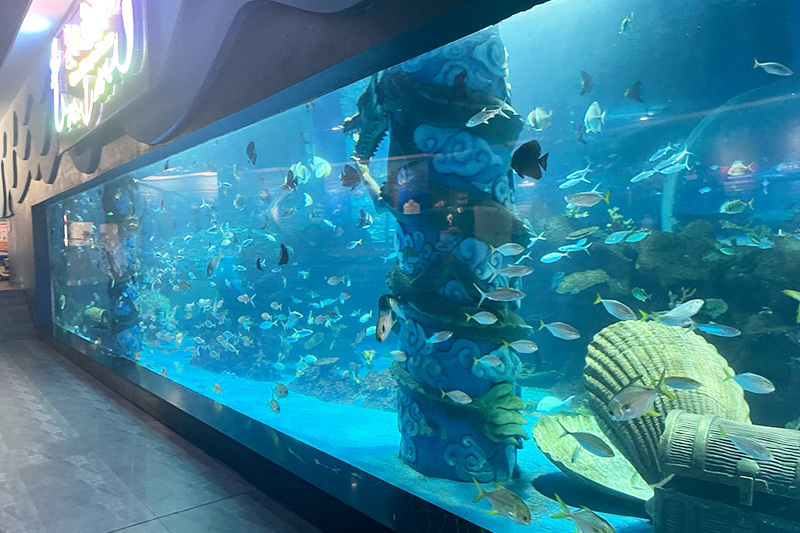
Moreover, acrylic is less prone to shattering than glass, which enhances safety in commercial aquaculture operations. This property is especially important in environments where large fish are being raised, as the risk of breakage can be a significant concern. Acrylic tanks also offer a clearer view of the aquatic life within, enhancing the visual appeal for both commercial displays and personal enjoyment.
When selecting an acrylic fish tank, it is essential to consider the thickness of the material. Thicker acrylic will provide better structural integrity, especially for larger tanks. It is also advisable to ensure that the tank is UV resistant to prevent degradation from sunlight exposure, which can affect both the tank's longevity and the health of the aquatic inhabitants.
Additionally, maintaining acrylic fish tanks requires different care compared to glass. While acrylic can scratch more easily, using the right cleaning products and techniques can help preserve its clarity and appearance. Regular maintenance not only keeps the tank looking great but also supports the health of the fish by ensuring a clean and stable environment.
In conclusion, acrylic fish tanks offer numerous advantages for aquaculture, including lightweight construction, excellent insulation, enhanced safety, and improved visibility. These benefits make them an attractive option for both commercial fish farming operations and hobbyist aquarists. By understanding the unique properties of acrylic and implementing proper maintenance practices, users can maximize the benefits of these innovative tanks, fostering healthier aquatic ecosystems and enhancing productivity in the aquaculture industry.
Acrylic fish tank
Latest information


WhatsApp: 8615371043985
Add: CAI Xi Group, CAI Xiang Village, Jichuan Street, Taixing City, Jiangsu Province, China