


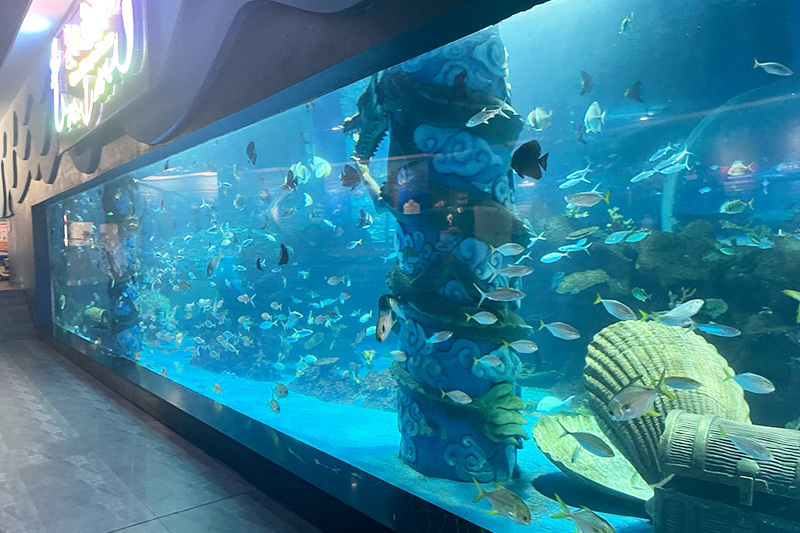
Exploring Acrylic Tunnels: Versatile Applications in the Plastic Industry
Acrylic tunnels, made from polymethyl methacrylate (PMMA), offer a range of beneficial properties that make them a popular choice in various applications across the chemical and plastic industries. Known for their excellent clarity, lightweight nature, and durability, acrylic tunnels provide an effective solution for numerous industrial needs. One of the most significant advantages of acrylic tunn
Release time:
2026-01-29
Acrylic tunnels, made from polymethyl methacrylate (PMMA), offer a range of beneficial properties that make them a popular choice in various applications across the chemical and plastic industries. Known for their excellent clarity, lightweight nature, and durability, acrylic tunnels provide an effective solution for numerous industrial needs.
One of the most significant advantages of acrylic tunnels is their optical clarity. Acrylic can transmit up to 92% of visible light, making it an ideal material for applications where visibility is crucial. This characteristic is particularly valuable in environments where monitoring processes or visibility of components is necessary. The transparency of acrylic tunnels allows for easy inspection and monitoring, reducing the need for additional lighting solutions and making operations more efficient.
In addition to their transparency, acrylic tunnels possess impressive impact resistance. Unlike glass, which can shatter easily, acrylic is less likely to break under stress or impact. This durability makes acrylic tunnels an excellent choice for environments where safety is a concern, such as in factories or laboratories. Furthermore, acrylic is resistant to various chemicals, enhancing its usability in different chemical applications. Its resistance to UV light also ensures that products made with acrylic tunnels do not yellow or degrade over time, ensuring longevity and reliability.
In terms of versatility, acrylic tunnels can be custom-manufactured to fit specific requirements. They can be produced in various sizes, shapes, and thicknesses, allowing for tailored solutions that meet unique project demands. Whether used in ventilation systems, as protective barriers, or in conveyor systems, the adaptability of acrylic tunnels makes them a favored choice among engineers and designers.
Another key feature of acrylic is its ease of fabrication. It can be easily cut, drilled, and shaped using standard tools, which simplifies the manufacturing process. This ease of use not only reduces production time but also allows for more intricate designs that might not be feasible with other materials. Additionally, acrylic can be bonded using adhesives or mechanical fasteners, providing even more flexibility in assembly methods.
Moreover, acrylic tunnels can also be enhanced with various coatings or treatments to improve their properties further, such as anti-scratch or anti-fog treatments. These enhancements can extend the lifespan of the tunnels and ensure optimal performance in their respective applications.
In conclusion, acrylic tunnels stand out as a versatile and effective solution within the plastic and chemical industries. Their clarity, durability, impact resistance, and ease of fabrication make them suitable for a multitude of applications. As industries continue to evolve, the demand for innovative materials like acrylic will likely increase, solidifying its place in modern manufacturing processes.
Acrylic tunnel
Latest information


WhatsApp: 8615371043985
Add: CAI Xi Group, CAI Xiang Village, Jichuan Street, Taixing City, Jiangsu Province, China