


A Beginner’s Guide to Choosing the Right Size Acrylic Fish Tank
A Beginner’s Guide to Choosing the Right Size Acrylic Fish Tank Table of Contents Understanding the Benefits of Acrylic Fish Tanks Factors to Consider When Choosing Tank Size Tank Dimensions and Volume Fish Species and Their Needs Available Space for the Tank Aquascaping and Design Considerations Calculating Tank Size B
Release time:
2026-02-07
A Beginner’s Guide to Choosing the Right Size Acrylic Fish Tank
Table of Contents
- Understanding the Benefits of Acrylic Fish Tanks
- Factors to Consider When Choosing Tank Size
- Tank Dimensions and Volume
- Fish Species and Their Needs
- Available Space for the Tank
- Aquascaping and Design Considerations
- Calculating Tank Size Based on Fish Stocking
- The Advantages of Acrylic Over Glass Tanks
- Setup and Maintenance Tips for Your Acrylic Fish Tank
- FAQs About Acrylic Fish Tank Sizes
- Conclusion: Making the Right Choice
Understanding the Benefits of Acrylic Fish Tanks
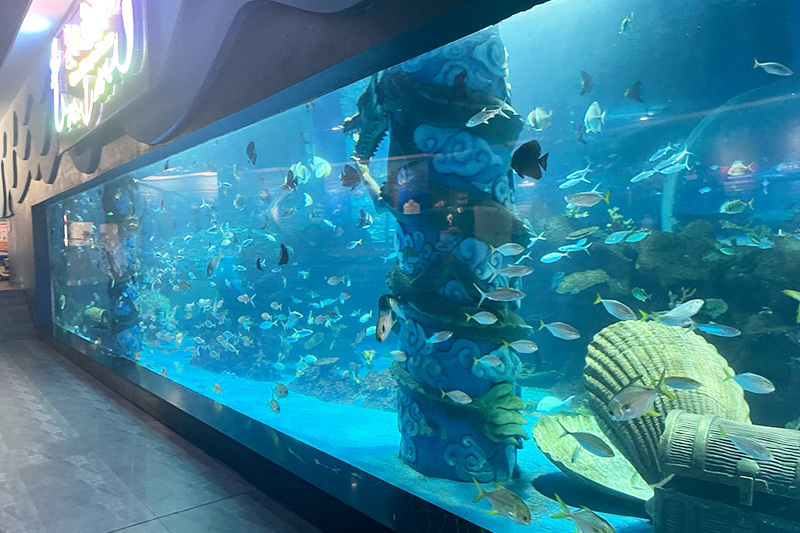
Acrylic fish tanks have gained popularity among aquarists for various reasons. Unlike traditional glass tanks, acrylic offers several advantages in terms of weight, clarity, and insulation. One of the primary benefits of acrylic tanks is their lightweight nature, making them easier to transport and install. Moreover, acrylic tanks are less prone to shattering, providing an extra layer of safety, especially in households with children or pets.
Another important feature is their superior visibility. Acrylic tanks provide better optical clarity than glass, allowing for an unobstructed view of your aquatic life. This is particularly advantageous if you plan to showcase vibrant fish and elaborate aquascaping designs. Additionally, acrylic tanks offer better thermal insulation, which can help maintain stable water temperatures, a critical factor in the health of your fish.
Factors to Consider When Choosing Tank Size
Selecting the right size for your acrylic fish tank requires careful consideration of various factors. By understanding these elements, you can create a suitable and healthy environment for your aquatic pets.
Tank Dimensions and Volume
Tank size is usually measured in gallons or liters, but the dimensions (length, width, height) also significantly influence the tank's usability and fish compatibility. A larger footprint allows for a more extensive swimming area, which is essential for active fish species. When determining tank volume, remember that most fish require a minimum of one gallon of water per inch of fish. Therefore, if you plan to keep larger or multiple fish, a larger tank will be necessary.
Fish Species and Their Needs
Different fish species come with unique requirements regarding tank size. For instance, small species like bettas or guppies can thrive in smaller tanks, while larger species like cichlids or goldfish need more space to swim and grow. Research the specific needs of the fish species you plan to keep to ensure your tank is adequately sized. A community tank with multiple species may also require additional space to reduce aggression and territorial disputes.
Available Space for the Tank
Before purchasing an acrylic fish tank, assess the space available in your home. Measure the area where you intend to place the tank, considering height restrictions and access for maintenance. If space is limited, you might consider a taller tank that occupies less floor space while providing adequate volume for your fish.
Aquascaping and Design Considerations
The aesthetic appeal of your tank is crucial for enjoyment. When selecting a tank size, consider how much room you’ll need for decorations, plants, and hiding spots for your fish. The right aquascaping can enhance the beauty of your tank while also providing essential shelter for shy or territorial fish. Larger tanks allow for more elaborate designs, creating a more balanced and visually appealing underwater landscape.
Calculating Tank Size Based on Fish Stocking
To calculate the appropriate tank size based on the number of fish you want to keep, start with the one-inch-per-gallon rule, which serves as a basic guideline. For every inch of fish you plan to add, you should have at least one gallon of water. However, this rule has its limitations, especially for larger species or those requiring more space.
To ensure accurate stocking, consider the adult size of the fish and their specific swimming and social behaviors. Researching the particular needs of each species will help you avoid overcrowding, which can lead to stress and health issues among your fish.
The Advantages of Acrylic Over Glass Tanks
Acrylic tanks come with several advantages over glass counterparts, making them a popular choice for both novice and experienced aquarists.
**Weight and Durability:** Acrylic is significantly lighter than glass, which makes it easier to move and install. Additionally, acrylic is less prone to breaking or chipping compared to glass, providing safer handling.
**Clarity and Insulation:** Acrylic tanks offer superior optical clarity, allowing for an enhanced viewing experience. Furthermore, they provide better insulation, helping to maintain stable water temperatures.
**Customizability:** Acrylic can be molded into various shapes and sizes, allowing for unique and creative tank designs that are not as easily achievable with glass.
Setup and Maintenance Tips for Your Acrylic Fish Tank
Once you’ve chosen the right size for your acrylic fish tank, proper setup and maintenance are crucial for ensuring a healthy environment for your fish.
**Setting Up the Tank:** Begin by rinsing the acrylic tank with water to remove any dust or residues. Avoid using harsh chemicals or abrasive cleaners that may scratch the surface. After rinsing, set up the substrate, decorations, and filtration system before adding water.
**Regular Maintenance Routines:** Regular maintenance is vital for the health of your fish and the longevity of your tank. Perform water changes of 10-15% weekly to maintain water quality. Regularly check water parameters, such as pH, ammonia, nitrites, and nitrates, to ensure a safe environment.
**Cleaning the Tank:** Acrylic can scratch easily, so use a soft cloth or sponge for cleaning. Avoid using glass cleaners or harsh chemicals. Instead, use a dedicated aquarium cleaner to maintain the clarity of your acrylic.
FAQs About Acrylic Fish Tank Sizes
1. What size acrylic fish tank is best for beginners?
A 20-gallon tank is often recommended for beginners, as it provides a stable environment and enough space for various fish species.
2. Can I keep multiple fish species in the same acrylic tank?
Yes, but ensure the tank is adequately sized and research the compatibility of the species to avoid aggression and territorial issues.
3. How often should I clean my acrylic fish tank?
Regular maintenance, including water changes and cleaning the tank, should be done weekly to maintain water quality and tank health.
4. Are there any specific requirements for larger fish?
Yes, larger fish generally require more space, so choose a larger tank based on the adult size of the fish.
5. How can I enhance the aesthetic appeal of my acrylic tank?
Incorporating live plants, decorative rocks, and hiding spots can improve the visual appeal of your tank while providing a habitat for your fish.
Conclusion: Making the Right Choice
Choosing the right size acrylic fish tank is a critical step in creating a thriving aquatic environment for your fish. By considering factors such as fish species, available space, and aquascaping possibilities, you can ensure a suitable habitat that promotes the health and happiness of your aquatic life. Whether you’re a beginner setting up your first tank or an experienced aquarist looking to upgrade, a thoughtful approach to tank size will lead to a successful and enjoyable fishkeeping experience.
Acrylic fish tank
Latest information


WhatsApp: 8615371043985
Add: CAI Xi Group, CAI Xiang Village, Jichuan Street, Taixing City, Jiangsu Province, China