


The Versatility of Acrylic Tunnels in Modern Applications
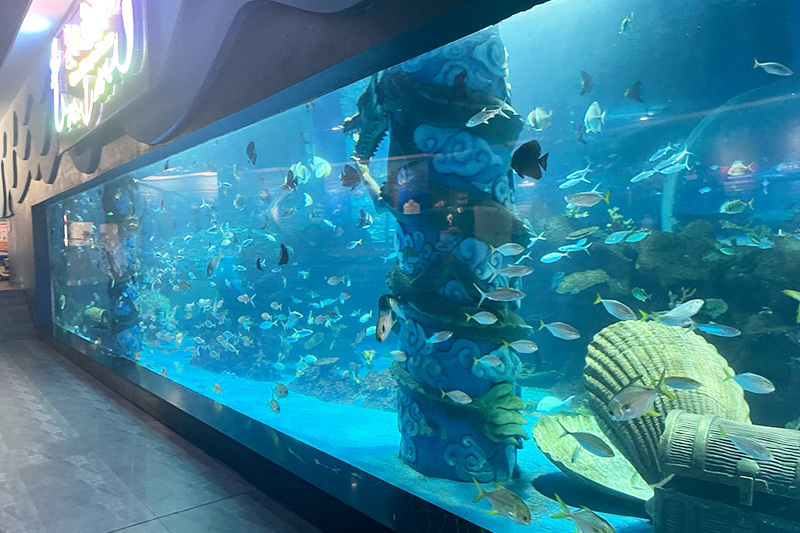
Acrylic tunnels, made from polymethyl methacrylate (PMMA), offer a transparent and lightweight alternative to traditional materials like glass. Their optical clarity, durability, and resistance to UV light make them particularly advantageous in many settings. Unlike glass, acrylic is significantly more impact-resistant, which contributes to its growing use in environments where safety is a concern
Release time:
2026-02-28
Acrylic tunnels, made from polymethyl methacrylate (PMMA), offer a transparent and lightweight alternative to traditional materials like glass. Their optical clarity, durability, and resistance to UV light make them particularly advantageous in many settings. Unlike glass, acrylic is significantly more impact-resistant, which contributes to its growing use in environments where safety is a concern.
One of the primary attributes of acrylic tunnels is their ability to transmit light effectively. This characteristic makes them ideal for applications requiring illumination and visibility, such as displays, signage, and architectural features. In retail environments, for instance, acrylic tunnels can be used to enhance product visibility, drawing customers' attention while providing a durable solution that withstands frequent handling.
In terms of installation, acrylic tunnels are lightweight, which simplifies transportation and setup. Unlike heavier materials, they can be easily handled and installed by a smaller workforce, resulting in lower labor costs and reduced installation time. This is particularly beneficial in projects that require quick turnaround or in locations where logistics are challenging.
Another advantage is the ease of fabrication. Acrylic can be easily cut, shaped, and molded to meet specific design requirements. This flexibility allows designers and engineers to create custom solutions tailored to unique project demands. Whether it's a curved tunnel for a decorative installation or a straight tube for an industrial application, acrylic tunnels can be adapted to fit various specifications.
Acrylic tunnels also provide excellent resistance to various chemicals, making them suitable for laboratory and industrial settings. In environments where exposure to harsh substances is common, acrylic's resilience ensures longevity and reduces the need for frequent replacements. This durability not only supports sustainability efforts by minimizing waste but also promises cost-effectiveness in the long run.
Furthermore, acrylic tunnels can be treated with various coatings to enhance their performance. Anti-fogging and anti-scratch coatings can improve visibility and extend the life of the material, making them an even more appealing option for demanding applications.
In summary, acrylic tunnels stand out for their versatility and practicality across multiple sectors. Their lightweight nature, optical clarity, fabrication flexibility, and chemical resistance make them an excellent choice for a wide array of uses, from decorative design to industrial applications. As industries continue to evolve, acrylic tunnels are poised to play an increasingly significant role in innovative solutions, reaffirming their status as a preferred material in the realm of plastics.
Acrylic tunnel
Latest information


WhatsApp: 8615371043985
Add: CAI Xi Group, CAI Xiang Village, Jichuan Street, Taixing City, Jiangsu Province, China