


Exploring the Benefits of Acrylic Cylinders in Aquaculture
Acrylic cylinders are transparent tubes made from polymethyl methacrylate (PMMA), a durable and lightweight material. These cylinders are increasingly utilized in aquaculture for numerous reasons. One of their standout features is their clarity, which allows for easy monitoring of aquatic life, including fish and plant growth. In controlled environments, such as aquaponics or hydroponics, visibili
Release time:
2026-03-12
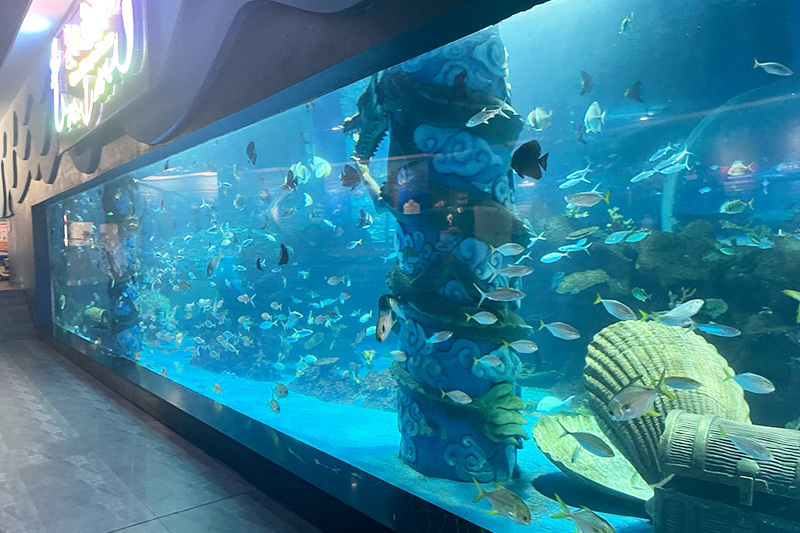
Acrylic cylinders are transparent tubes made from polymethyl methacrylate (PMMA), a durable and lightweight material. These cylinders are increasingly utilized in aquaculture for numerous reasons. One of their standout features is their clarity, which allows for easy monitoring of aquatic life, including fish and plant growth. In controlled environments, such as aquaponics or hydroponics, visibility is crucial for assessing the health of both fish and crops.
The durability of acrylic makes it an ideal choice for aquaculture applications. Unlike traditional materials, such as glass, acrylic is more resistant to impact and shattering, making it safer in environments where breakage could lead to costly losses. Additionally, acrylic is resistant to ultraviolet (UV) light, which helps maintain clear visibility over time without the yellowing that can affect other materials.
Another significant advantage of using acrylic cylinders in aquaculture is their versatility. They can be manufactured in various sizes and shapes, allowing for customization depending on the specific requirements of the facility. Whether used for fish breeding, plant cultivation, or as part of a water filtration system, acrylic cylinders can be tailored to fit the unique needs of any aquaculture operation.
Moreover, the lightweight nature of acrylic simplifies installation and maintenance. Facilities can easily transport and position these cylinders, reducing labor costs and time associated with setup. Additionally, maintenance is straightforward, as acrylic surfaces can be cleaned easily without the risk of scratching that comes with glass alternatives.
Acrylic cylinders also contribute to sustainability in aquaculture. Their long lifespan and recyclability make them an environmentally friendly option for fisheries. By reducing the need for frequent replacements, operations can minimize waste and lower their environmental impact. Furthermore, the use of acrylic can facilitate energy-efficient systems by allowing for better light penetration in aquaponic setups, which can enhance plant growth and optimize resource use.
In conclusion, acrylic cylinders represent a significant advancement in the aquaculture industry, combining durability, clarity, and versatility. Their incorporation into fisheries and aquaponic systems not only enhances operational efficiency but also promotes sustainability in food production. As the demand for innovative farming solutions continues to grow, acrylic cylinders are poised to play a vital role in shaping the future of aquaculture.
Acrylic cylinder
Latest information


WhatsApp: 8615371043985
Add: CAI Xi Group, CAI Xiang Village, Jichuan Street, Taixing City, Jiangsu Province, China