


Maximizing Aquatic Environments: The Benefits of Acrylic Fish Tanks in Aquaculture
Acrylic fish tanks are an excellent option for aquaculture facilities, offering numerous benefits that can optimize the aquatic environment. One of the standout features of acrylic is its clarity. Compared to traditional glass tanks, acrylic provides a clearer view of the underwater world, allowing for better observation of fish behavior, health, and overall tank conditions. This visibility is cru
Release time:
2026-03-24
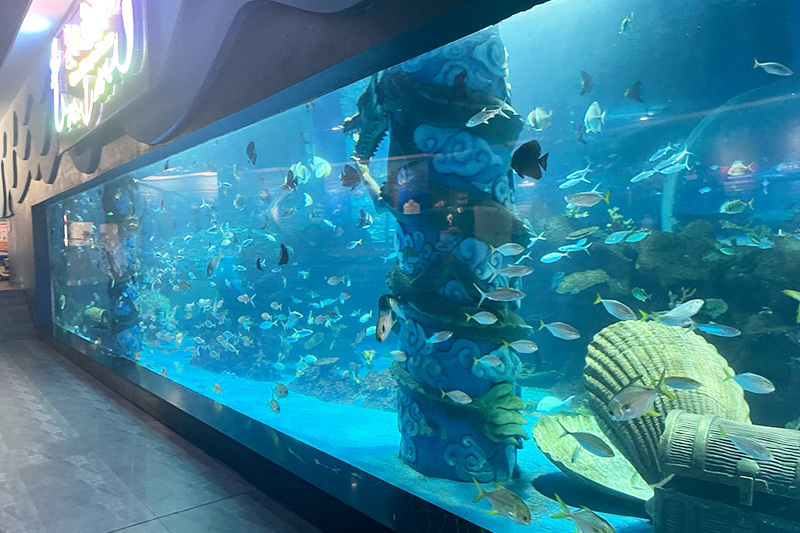
Acrylic fish tanks are an excellent option for aquaculture facilities, offering numerous benefits that can optimize the aquatic environment. One of the standout features of acrylic is its clarity. Compared to traditional glass tanks, acrylic provides a clearer view of the underwater world, allowing for better observation of fish behavior, health, and overall tank conditions. This visibility is crucial for farmers and aquarists, who must monitor their aquatic life closely to ensure optimal growth and development.
In addition to clarity, acrylic is also known for its remarkable strength and durability. It is less likely to break or shatter compared to glass, making it safer for both the aquatic life and the facility operators. This resilience means that acrylic fish tanks can withstand the pressures of an active aquatic environment, reducing the risk of leaks or accidents that could harm the fish or disrupt the cultivation process.
Another practical advantage of acrylic fish tanks is their lightweight nature. This property not only simplifies transportation but also makes installation easier, particularly in settings where space is limited or when multiple tanks are required. Additionally, acrylic can be molded into various shapes and sizes, offering flexibility in design that can accommodate different species of fish and specific environmental needs.
When it comes to maintenance, acrylic fish tanks are relatively easy to clean. They are resistant to staining and can be scrubbed without the worry of scratching, which is a common concern with glass tanks. Regular cleaning is essential in aquaculture to maintain water quality, and the ease of maintenance with acrylic can save time and labor costs.
Acrylic fish tanks also provide excellent insulation, which can help maintain stable water temperatures. This is particularly important in aquaculture, as temperature fluctuations can affect fish health and growth rates. By using acrylic tanks, farmers can create a more controlled environment, which can ultimately lead to better yield and healthier fish.
In conclusion, the use of acrylic fish tanks presents a multitude of advantages for professionals in the aquaculture industry. From enhanced visibility and strength to ease of maintenance and excellent insulation, these tanks can significantly improve the management of aquatic environments. As demand for aquaculture grows, investing in high-quality acrylic fish tanks can be a strategic move for those looking to optimize their operations and ensure the health and productivity of their fish stocks.
Acrylic fish tank
Latest information


WhatsApp: 8615371043985
Add: CAI Xi Group, CAI Xiang Village, Jichuan Street, Taixing City, Jiangsu Province, China