


The Versatility and Applications of Acrylic Tunnels in the Chemical Industry
Acrylic tunnels, made from polymethyl methacrylate (PMMA), are renowned for their clarity and durability, making them an excellent choice for various applications in the chemical and plastic industries. One of the primary advantages of acrylic is its resistance to impact; it is significantly stronger than glass, making it a safer option in environments where breakage could pose a risk. Additionall
Release time:
2026-03-30
Acrylic tunnels, made from polymethyl methacrylate (PMMA), are renowned for their clarity and durability, making them an excellent choice for various applications in the chemical and plastic industries. One of the primary advantages of acrylic is its resistance to impact; it is significantly stronger than glass, making it a safer option in environments where breakage could pose a risk. Additionally, acrylic is lightweight, which simplifies transportation and installation, a crucial consideration in many industrial applications.
The manufacturing process of acrylic tunnels involves polymerization, where the liquid monomer is transformed into solid acrylic through a chemical reaction. This process can be tailored to create tunnels of various diameters and lengths, catering to specific needs in different industrial settings. The ability to customize dimensions and designs allows for the integration of acrylic tunnels into diverse systems, enhancing their utility across the board.
In terms of applications, acrylic tunnels are widely used in both structural and functional capacities. In the chemical industry, they can serve as protective barriers, offering visibility while safeguarding sensitive processes or materials from environmental contaminants. Their clarity enables easy monitoring of processes, which is essential for maintaining quality control and operational efficiency.
Moreover, acrylic tunnels are also utilized in laboratory settings for transporting chemicals safely. Their non-toxic nature and resistance to UV light make them suitable for both indoor and outdoor applications. They can house a variety of chemical substances without fear of degradation or contamination, making them ideal for experiments and research activities.
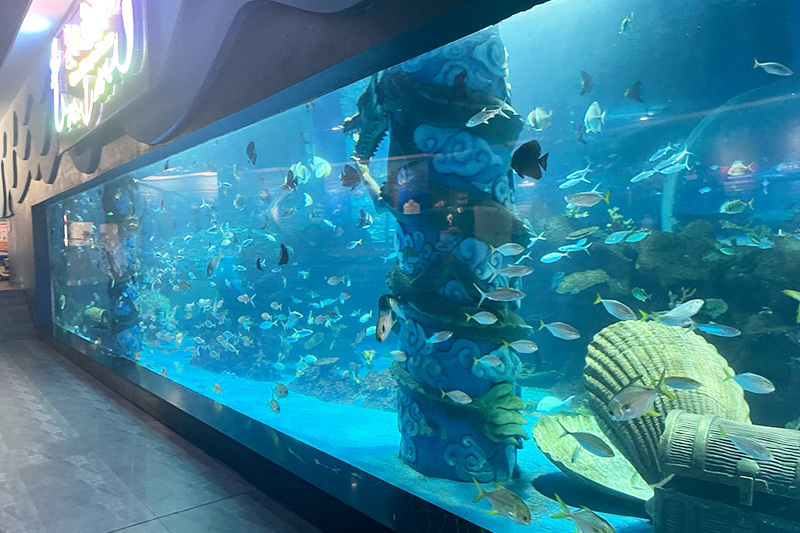
Another notable aspect of acrylic tunnels is their aesthetic appeal. The transparent nature of acrylic allows for creative designs in installations, which can be particularly beneficial in educational or public display applications. By combining functionality with design, acrylic tunnels can enhance both the safety and visual appeal of chemical installations.
In conclusion, acrylic tunnels represent a versatile and practical solution within the chemical industry. Their durability, customization options, and wide-ranging applications make them invaluable in enhancing safety, efficiency, and aesthetics in various industrial settings. As the demand for innovative materials continues to grow, acrylic tunnels are poised to play a significant role in the evolution of chemical processes and products.
Acrylic tunnel
Latest information


WhatsApp: 8615371043985
Add: CAI Xi Group, CAI Xiang Village, Jichuan Street, Taixing City, Jiangsu Province, China