


Acrylic Tunnels in Aquariums: Creating Stunning Underwater Displays
Acrylic Tunnels in Aquariums: Creating Stunning Underwater Displays When it comes to designing a captivating aquarium, the elements you choose can significantly impact the aesthetics and overall experience. One such element that stands out for its beauty and functionality is the acrylic tunnel. These unique features not only enhance the visual appeal of your aquatic environment but also provide a
Release time:
2026-05-14
Acrylic Tunnels in Aquariums: Creating Stunning Underwater Displays
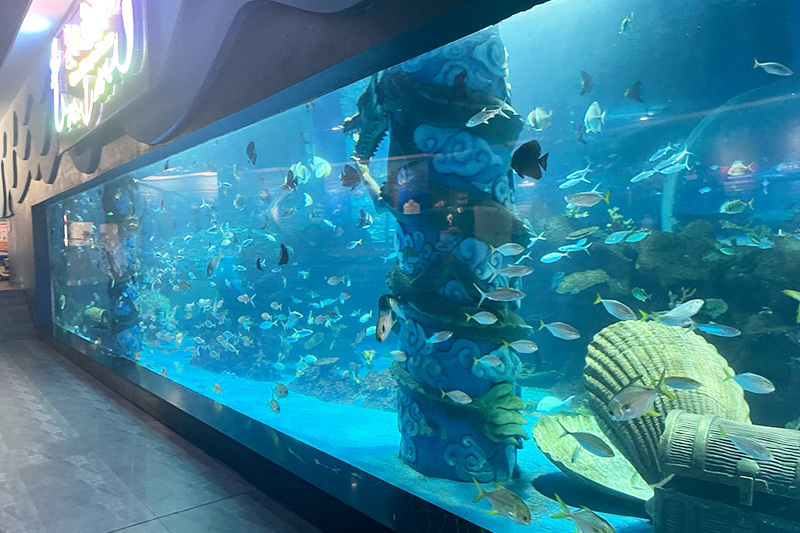
When it comes to designing a captivating aquarium, the elements you choose can significantly impact the aesthetics and overall experience. One such element that stands out for its beauty and functionality is the acrylic tunnel. These unique features not only enhance the visual appeal of your aquatic environment but also provide a fascinating perspective for both fish and viewers alike. In this comprehensive guide, we will delve into the world of acrylic tunnels in aquariums, discussing their advantages, design options, and care tips, to help you create an underwater masterpiece.
The Allure of Acrylic Tunnels in Aquariums
Acrylic tunnels are transparent structures made from high-quality acrylic materials, designed to be integrated into aquariums. Their clarity allows for unobstructed views of the aquatic life within, making them a popular choice among aquarium enthusiasts. Here are some compelling reasons to consider incorporating acrylic tunnels into your aquarium design:
1. Enhanced Visibility
The transparency of acrylic tunnels ensures that your fish and aquatic plants are visible from multiple angles. This feature not only provides a 360-degree view of the underwater environment but also allows for interesting interactions among fish as they swim through the tunnel.
2. Unique Aesthetic Appeal
Acrylic tunnels can dramatically enhance the visual appeal of an aquarium. They come in various shapes and sizes, allowing for creativity in design. Whether you prefer a sleek, modern look or a more natural, organic shape, acrylic tunnels can be customized to fit your style.
3. Functional Spaces for Fish
Fish require spaces to hide, explore, and establish territories. Acrylic tunnels can serve as both a shelter and a pathway for your fish, promoting natural behaviors and reducing stress in the aquarium environment.
4. Light Refraction and Play of Colors
The use of acrylic materials allows for beautiful light refraction, creating mesmerizing patterns and colors in your aquarium. This effect can enhance the overall ambiance of your aquatic display, making it more engaging for viewers.
Different Types of Acrylic Tunnels
Acrylic tunnels come in various designs and configurations, allowing for customization based on your specific aquarium needs. Here are some popular types of acrylic tunnels:
1. Straight Tunnels
Straight acrylic tunnels are simple, linear structures that can connect different parts of your aquarium. They work well in larger setups, offering a direct path for fish to swim through.
2. Curved Tunnels
Curved acrylic tunnels add a dynamic element to your aquarium. Their gentle bends create interesting swimming paths for fish and can enhance the visual flow of your aquatic landscape.
3. Multi-Entrance Tunnels
Multi-entrance tunnels provide multiple access points for fish, promoting interaction and exploration. These tunnels can be especially beneficial in community tanks, where various species coexist.
4. Decorative Tunnels
Some acrylic tunnels incorporate decorative elements, such as artificial corals or plants. These additions can enhance the artistic quality of your aquarium while providing functional spaces for fish.
Choosing the Right Size and Shape
When selecting an acrylic tunnel for your aquarium, consider the size and shape of both the tunnel and your tank. Here are some factors to keep in mind:
1. Tank Dimensions
The size of your aquarium will dictate the size of the acrylic tunnel you can incorporate. Ensure that the tunnel is proportionate to the tank and does not overcrowd the space.
2. Fish Size and Behavior
Consider the types of fish you have and their swimming habits. Larger fish may require wider tunnels for comfortable passage, while smaller species can navigate through narrower spaces.
3. Aesthetic Harmony
Choose a tunnel shape that complements the overall aesthetic of your aquarium. Whether you prefer geometric designs or organic forms, ensure that the tunnel integrates seamlessly with the existing layout.
Setting Up Acrylic Tunnels in Your Aquarium
Installing acrylic tunnels in your aquarium is a straightforward process, but it requires careful planning to ensure optimal placement and functionality. Follow these steps to set up your acrylic tunnels:
1. Plan the Layout
Before installation, plan the layout of your aquarium. Decide where the tunnels will be placed and how they will connect different areas of the tank. Consider factors such as fish behavior, plant placement, and accessibility.
2. Clean the Tunnel
Before introducing the acrylic tunnel into your aquarium, clean it thoroughly with a gentle, aquarium-safe cleaner to remove any dust or residues from manufacturing.
3. Secure the Tunnel
When placing the tunnel in the tank, ensure that it is securely positioned. You may need to use aquarium-safe silicone to attach it to the substrate or other structures for stability.
4. Monitor Fish Interaction
After installation, observe how your fish interact with the tunnel. Ensure that they are using it as intended and that it does not create any stress or territorial issues among different species.
Maintenance Tips for Acrylic Tunnels
Proper maintenance is essential to keep your acrylic tunnels looking clear and appealing. Here are some maintenance tips to follow:
1. Regular Cleaning
Clean the tunnels regularly to prevent algae buildup and maintain clarity. Use a soft cloth or sponge to avoid scratching the acrylic surface. Avoid harsh chemicals that could damage the acrylic.
2. Monitor for Damage
Inspect the tunnels frequently for any signs of cracks or scratches. Address any damage promptly to prevent further deterioration and ensure the safety of your fish.
3. Check Water Parameters
Maintaining the overall health of your aquarium will also benefit the acrylic tunnels. Regularly test water parameters, including pH, ammonia levels, and temperature, to ensure a healthy habitat for your fish.
Benefits of Acrylic Tunnels Over Other Materials
Acrylic tunnels offer several advantages compared to tunnels made from other materials, such as glass or plastic. Here’s why acrylic stands out:
1. Durability
Acrylic is more impact-resistant than glass, making it less prone to breaking or shattering. This durability ensures that your investment lasts longer and remains safe for your fish.
2. Lightweight
Acrylic tunnels are lighter than glass alternatives, making them easier to handle and install. This advantage is particularly beneficial for large or elaborate setups.
3. Clearer Visuals
Acrylic provides superior clarity compared to glass, resulting in clearer visuals and a more immersive experience. The absence of distortion allows for a more authentic underwater view.
Creative Ideas for Using Acrylic Tunnels in Aquariums
The versatility of acrylic tunnels opens up a world of creative possibilities. Here are some innovative ideas to inspire your aquarium design:
1. Themed Aquatic Landscapes
Consider creating themed landscapes using acrylic tunnels as focal points. For example, a “coral reef” theme could incorporate tunnels shaped like oceanic structures, surrounded by colorful corals and fish.
2. Educational Displays
Acrylic tunnels can be used in educational settings to teach visitors about aquatic ecosystems. Use tunnels to showcase different species and their behaviors, providing a hands-on learning experience.
3. Interactive Exhibits
In public aquariums or exhibits, acrylic tunnels can create interactive experiences for visitors. Consider using larger tunnels that allow people to walk through and observe fish from a unique perspective.
FAQs About Acrylic Tunnels in Aquariums
1. Are acrylic tunnels safe for all fish species?
Yes, acrylic tunnels are generally safe for most fish species. However, it’s essential to consider the size and behavior of your fish to ensure they can navigate the tunnel comfortably.
2. How do I clean acrylic tunnels without scratching them?
Use a soft cloth or sponge with warm water to clean acrylic tunnels. Avoid abrasive materials or harsh chemicals that could scratch the surface.
3. Can I customize the shape of my acrylic tunnel?
Yes, many manufacturers offer customizable options for acrylic tunnels, allowing you to choose shapes that fit your aquarium design.
4. Will acrylic tunnels affect water quality in my aquarium?
When properly maintained, acrylic tunnels should not negatively impact water quality. Regular cleaning and monitoring of water parameters will ensure a healthy environment.
5. How do I prevent algae growth on my acrylic tunnel?
Regular cleaning is essential to prevent algae buildup. Additionally, maintaining balanced water conditions and including algae-eating fish can help control algae growth.
Conclusion
Acrylic tunnels are a magnificent addition to any aquarium, offering both aesthetic appeal and functional benefits. By enhancing visibility, providing shelter, and promoting natural fish behaviors, these tunnels can transform your aquatic display into a captivating underwater world. With various designs and maintenance tips at your disposal, creating a stunning aquarium with acrylic tunnels is achievable for any enthusiast. Embrace the beauty and creativity that acrylic tunnels bring, and watch as your aquarium becomes a breathtaking underwater escape.
Acrylic tunnel
Latest information


WhatsApp: 8615371043985
Add: CAI Xi Group, CAI Xiang Village, Jichuan Street, Taixing City, Jiangsu Province, China