


The Ultimate Guide to Acrylic Fish Tanks: Enhancing Aquaculture Efficiency
When it comes to aquaculture, the choice of tank material can significantly impact the efficiency of fish farming operations. Acrylic fish tanks have emerged as a favored option among aquaculture professionals for several compelling reasons. Unlike traditional glass tanks, acrylic offers enhanced clarity, allowing for better visibility of the aquatic life within. This transparency not only provide
Release time:
2026-05-23
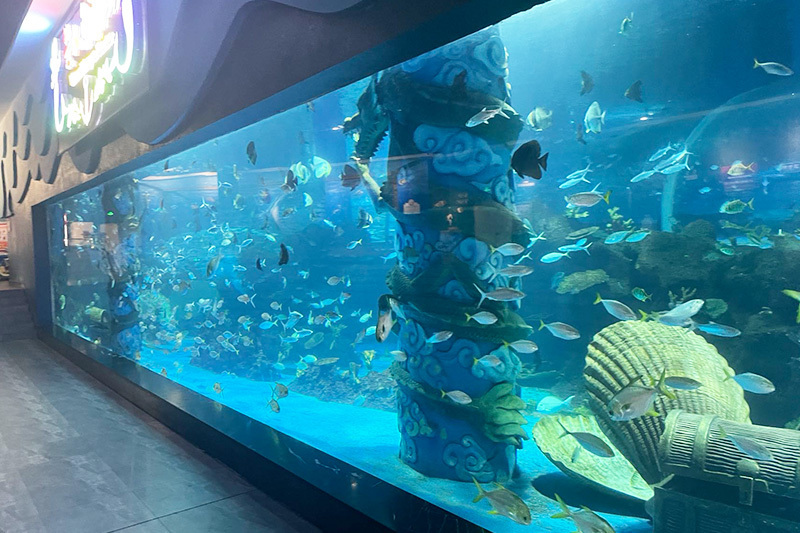
When it comes to aquaculture, the choice of tank material can significantly impact the efficiency of fish farming operations. Acrylic fish tanks have emerged as a favored option among aquaculture professionals for several compelling reasons. Unlike traditional glass tanks, acrylic offers enhanced clarity, allowing for better visibility of the aquatic life within. This transparency not only provides a more immersive viewing experience but also facilitates monitoring the health and behavior of fish, which is crucial for effective management.
One of the standout advantages of acrylic is its lightweight nature. This characteristic makes installation and transportation much easier than heavier glass tanks. For facilities that require frequent rearrangement or scaling operations, the adaptability of acrylic fish tanks becomes an invaluable asset. Additionally, acrylic is less prone to shattering, reducing the risk of injury to both the fish and personnel, thereby creating a safer working environment.
Moreover, acrylic tanks have better insulation properties compared to glass, helping to maintain stable water temperatures. This feature is particularly advantageous in maintaining optimal conditions for fish growth, which can lead to improved productivity. The ability to control the temperature effectively contributes to the overall health of the fish, directly impacting yield quality.
Maintenance is also a key consideration for any aquaculture setup. Acrylic fish tanks are relatively easy to clean, requiring basic care to prevent scratches and clouding. Regular cleaning with appropriate non-abrasive materials will ensure the longevity of the tank while preserving its clarity. Additionally, acrylic is also resistant to UV light, minimizing degradation and maintaining the tank's appearance over time.
When considering the setup of an acrylic fish tank, it’s essential to ensure proper filtration and aeration systems. Adequate water circulation is vital for maintaining water quality, which is crucial for the health of the fish. Implementing a robust filtration system ensures that debris, waste, and harmful bacteria are efficiently removed from the tank, fostering a healthy environment for aquatic life.
In conclusion, acrylic fish tanks offer numerous advantages that can enhance the operational efficiency of aquaculture systems. Their clarity, lightweight nature, insulation properties, and ease of maintenance make them an optimal choice for fish farmers looking to maximize their productivity. As aquaculture continues to evolve, investing in high-quality acrylic fish tanks could be a pivotal decision for professionals aiming to elevate their practices and achieve sustainable growth in the industry.
One of the standout advantages of acrylic is its lightweight nature. This characteristic makes installation and transportation much easier than heavier glass tanks. For facilities that require frequent rearrangement or scaling operations, the adaptability of acrylic fish tanks becomes an invaluable asset. Additionally, acrylic is less prone to shattering, reducing the risk of injury to both the fish and personnel, thereby creating a safer working environment.
Moreover, acrylic tanks have better insulation properties compared to glass, helping to maintain stable water temperatures. This feature is particularly advantageous in maintaining optimal conditions for fish growth, which can lead to improved productivity. The ability to control the temperature effectively contributes to the overall health of the fish, directly impacting yield quality.
Maintenance is also a key consideration for any aquaculture setup. Acrylic fish tanks are relatively easy to clean, requiring basic care to prevent scratches and clouding. Regular cleaning with appropriate non-abrasive materials will ensure the longevity of the tank while preserving its clarity. Additionally, acrylic is also resistant to UV light, minimizing degradation and maintaining the tank's appearance over time.
When considering the setup of an acrylic fish tank, it’s essential to ensure proper filtration and aeration systems. Adequate water circulation is vital for maintaining water quality, which is crucial for the health of the fish. Implementing a robust filtration system ensures that debris, waste, and harmful bacteria are efficiently removed from the tank, fostering a healthy environment for aquatic life.
In conclusion, acrylic fish tanks offer numerous advantages that can enhance the operational efficiency of aquaculture systems. Their clarity, lightweight nature, insulation properties, and ease of maintenance make them an optimal choice for fish farmers looking to maximize their productivity. As aquaculture continues to evolve, investing in high-quality acrylic fish tanks could be a pivotal decision for professionals aiming to elevate their practices and achieve sustainable growth in the industry.
Acrylic fish tank
Latest information


WhatsApp: 8615371043985
Add: CAI Xi Group, CAI Xiang Village, Jichuan Street, Taixing City, Jiangsu Province, China