


Understanding Acrylic Tunnels: Properties and Applications in the Plastics Industry
Acrylic tunnels are an important component in the realm of plastic products, particularly within the chemical and plastics industry. Made from polymethyl methacrylate (PMMA), acrylic is a versatile material known for its clarity, strength, and resistance to UV light, making it an ideal choice for manufacturing tunnels that serve various purposes. One of the primary characteristics of acrylic is it
Release time:
2026-06-29
Acrylic tunnels are an important component in the realm of plastic products, particularly within the chemical and plastics industry. Made from polymethyl methacrylate (PMMA), acrylic is a versatile material known for its clarity, strength, and resistance to UV light, making it an ideal choice for manufacturing tunnels that serve various purposes.
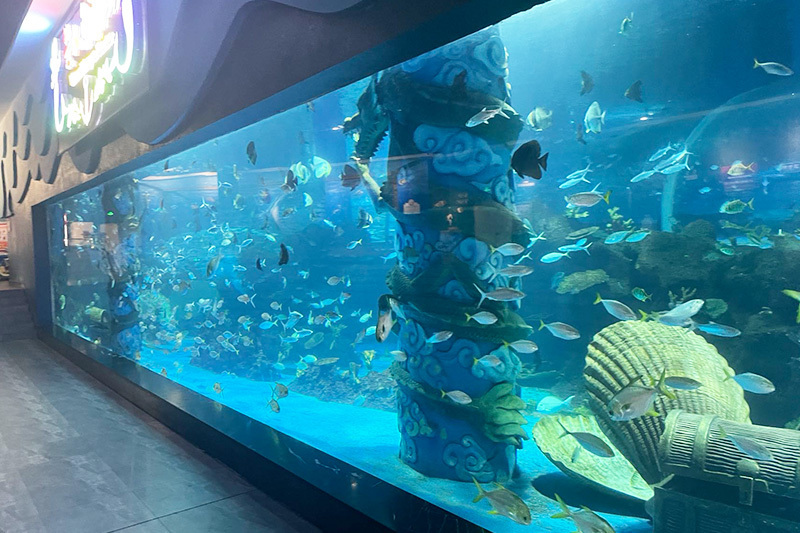
One of the primary characteristics of acrylic is its transparency. Acrylic tunnels allow for excellent light transmission, which is especially beneficial in applications such as lighting fixtures, signage, and displays. This property enables the effective use of lighting in environments where visibility and aesthetic appeal are crucial.
Another notable attribute of acrylic is its lightweight nature. Compared to glass, acrylic is significantly lighter, which simplifies the installation process and reduces the overall load on structures. This feature is particularly advantageous in the construction of decorative features, retail displays, and even architectural elements.
In terms of durability, acrylic tunnels are resistant to shattering and impact, making them a safer alternative to traditional glass materials. This quality is vital in environments where safety is a priority, such as public spaces and areas frequented by children. Additionally, acrylic is less prone to yellowing over time compared to other plastics, ensuring that the tunnels maintain their clarity and aesthetic appeal even after prolonged exposure to sunlight and environmental factors.
Acrylic tunnels are also adaptable to various manufacturing processes, including laser cutting and CNC machining. This flexibility allows for intricate designs and custom shapes to be created, catering to specific industry needs. The ability to fabricate tunnels in different sizes and configurations makes acrylic a favored choice among designers and engineers alike.
In the context of the chemical and plastics industry, it is essential to consider the appropriate application of acrylic tunnels. They can be used in a variety of settings, from industrial applications such as tubing for chemical processes to more artistic uses like sculptures and installations in galleries. Understanding the chemical compatibility of acrylic with various substances is crucial, particularly in industrial applications where exposure to harsh chemicals may occur.
To ensure the longevity and performance of acrylic tunnels, proper maintenance is essential. Regular cleaning with non-abrasive solutions will help preserve their clarity and prevent scratches. Moreover, understanding the limitations of acrylic when exposed to certain chemicals can help prevent damage and extend the life of the product.
In summary, acrylic tunnels offer a range of benefits that make them a valuable material in the plastics industry. Their unique properties, such as transparency, lightweight nature, and impact resistance, along with their flexibility in manufacturing, position them as an excellent choice for various applications. For those in the chemical and plastics industry, a thorough understanding of acrylic tunnels can lead to more innovative and effective solutions in product design and application.
One of the primary characteristics of acrylic is its transparency. Acrylic tunnels allow for excellent light transmission, which is especially beneficial in applications such as lighting fixtures, signage, and displays. This property enables the effective use of lighting in environments where visibility and aesthetic appeal are crucial.
Another notable attribute of acrylic is its lightweight nature. Compared to glass, acrylic is significantly lighter, which simplifies the installation process and reduces the overall load on structures. This feature is particularly advantageous in the construction of decorative features, retail displays, and even architectural elements.
In terms of durability, acrylic tunnels are resistant to shattering and impact, making them a safer alternative to traditional glass materials. This quality is vital in environments where safety is a priority, such as public spaces and areas frequented by children. Additionally, acrylic is less prone to yellowing over time compared to other plastics, ensuring that the tunnels maintain their clarity and aesthetic appeal even after prolonged exposure to sunlight and environmental factors.
Acrylic tunnels are also adaptable to various manufacturing processes, including laser cutting and CNC machining. This flexibility allows for intricate designs and custom shapes to be created, catering to specific industry needs. The ability to fabricate tunnels in different sizes and configurations makes acrylic a favored choice among designers and engineers alike.
In the context of the chemical and plastics industry, it is essential to consider the appropriate application of acrylic tunnels. They can be used in a variety of settings, from industrial applications such as tubing for chemical processes to more artistic uses like sculptures and installations in galleries. Understanding the chemical compatibility of acrylic with various substances is crucial, particularly in industrial applications where exposure to harsh chemicals may occur.
To ensure the longevity and performance of acrylic tunnels, proper maintenance is essential. Regular cleaning with non-abrasive solutions will help preserve their clarity and prevent scratches. Moreover, understanding the limitations of acrylic when exposed to certain chemicals can help prevent damage and extend the life of the product.
In summary, acrylic tunnels offer a range of benefits that make them a valuable material in the plastics industry. Their unique properties, such as transparency, lightweight nature, and impact resistance, along with their flexibility in manufacturing, position them as an excellent choice for various applications. For those in the chemical and plastics industry, a thorough understanding of acrylic tunnels can lead to more innovative and effective solutions in product design and application.
Acrylic tunnel
Latest information


WhatsApp: 8615371043985
Add: CAI Xi Group, CAI Xiang Village, Jichuan Street, Taixing City, Jiangsu Province, China