


The Benefits and Considerations of Using Acrylic Fish Tanks in Aquaculture
Acrylic fish tanks have emerged as a prominent choice for aquaculture, offering a range of benefits that make them suitable for both commercial and hobbyist use. One of the most significant advantages is their clarity. Acrylic provides superior visibility compared to traditional glass tanks, allowing for better observation of fish behavior and health. This enhanced visibility is crucial for aquacu
Release time:
2026-07-23
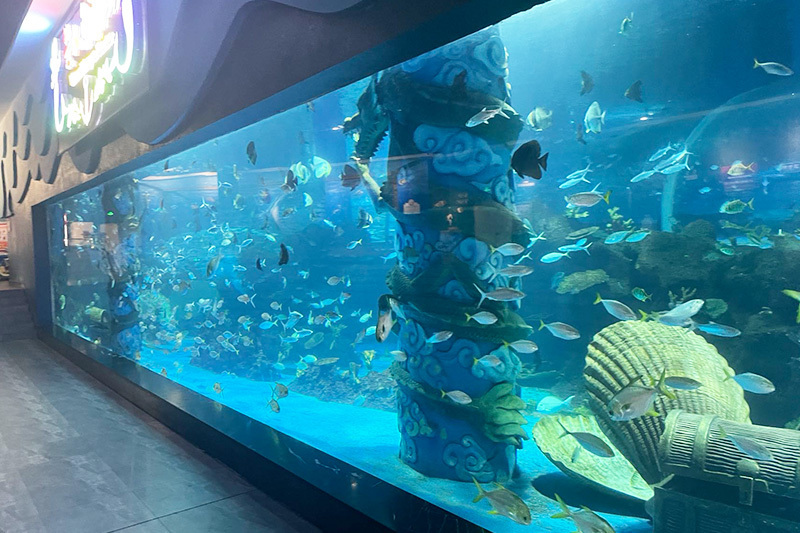
Acrylic fish tanks have emerged as a prominent choice for aquaculture, offering a range of benefits that make them suitable for both commercial and hobbyist use. One of the most significant advantages is their clarity. Acrylic provides superior visibility compared to traditional glass tanks, allowing for better observation of fish behavior and health. This enhanced visibility is crucial for aquaculture professionals who need to monitor their stock closely.
In addition to clarity, acrylic is also lighter than glass, making it easier to handle and install. This is particularly advantageous in larger setups where heavy glass tanks can be cumbersome and require additional structural support. The lightweight nature of acrylic allows for more flexible designs in aquaculture facilities, enabling farmers to optimize space and enhance their systems’ efficiency.
Another key benefit of acrylic fish tanks is their insulation properties. Acrylic tanks are better insulators than glass tanks, which means they can help maintain stable water temperatures, a critical factor in fish health and growth. By reducing the need for additional heating or cooling systems, acrylic tanks can lead to lower energy costs, making them a more economical choice in the long run.
Moreover, acrylic tanks are less prone to shattering than glass tanks, offering a higher level of safety in busy aquaculture environments. This durability can be particularly valuable when dealing with active fish species or in high-traffic areas where accidental collisions may occur.
However, there are also considerations to keep in mind when using acrylic fish tanks. One of the main concerns is scratch resistance; while acrylic is strong, it can scratch more easily than glass. It is essential to maintain and clean tanks properly to avoid damaging the surface. Furthermore, the UV resistance of acrylic is lower than that of glass, which can lead to yellowing over time if exposed to direct sunlight. Using UV-blocking coatings or covering tanks can mitigate this issue.
In conclusion, acrylic fish tanks offer many advantages for aquaculture professionals, including excellent visibility, lightweight construction, and insulation properties. However, it is crucial to consider maintenance needs and potential drawbacks like scratch susceptibility. By weighing these factors, aquaculture practitioners can make informed decisions that enhance their operations and promote sustainable fish farming practices.
In addition to clarity, acrylic is also lighter than glass, making it easier to handle and install. This is particularly advantageous in larger setups where heavy glass tanks can be cumbersome and require additional structural support. The lightweight nature of acrylic allows for more flexible designs in aquaculture facilities, enabling farmers to optimize space and enhance their systems’ efficiency.
Another key benefit of acrylic fish tanks is their insulation properties. Acrylic tanks are better insulators than glass tanks, which means they can help maintain stable water temperatures, a critical factor in fish health and growth. By reducing the need for additional heating or cooling systems, acrylic tanks can lead to lower energy costs, making them a more economical choice in the long run.
Moreover, acrylic tanks are less prone to shattering than glass tanks, offering a higher level of safety in busy aquaculture environments. This durability can be particularly valuable when dealing with active fish species or in high-traffic areas where accidental collisions may occur.
However, there are also considerations to keep in mind when using acrylic fish tanks. One of the main concerns is scratch resistance; while acrylic is strong, it can scratch more easily than glass. It is essential to maintain and clean tanks properly to avoid damaging the surface. Furthermore, the UV resistance of acrylic is lower than that of glass, which can lead to yellowing over time if exposed to direct sunlight. Using UV-blocking coatings or covering tanks can mitigate this issue.
In conclusion, acrylic fish tanks offer many advantages for aquaculture professionals, including excellent visibility, lightweight construction, and insulation properties. However, it is crucial to consider maintenance needs and potential drawbacks like scratch susceptibility. By weighing these factors, aquaculture practitioners can make informed decisions that enhance their operations and promote sustainable fish farming practices.
Acrylic fish tank
Latest information


WhatsApp: 8615371043985
Add: CAI Xi Group, CAI Xiang Village, Jichuan Street, Taixing City, Jiangsu Province, China