


Exploring the Benefits of Acrylic Cylinders in Aquaculture
Acrylic cylinders have become increasingly popular in the aquaculture sector due to their unique physical and chemical properties. These transparent tubes offer a multitude of applications, particularly in the fields of fish breeding, water filtration, and habitat creation. Understanding the benefits of acrylic cylinders can lead to improved practices and innovative solutions in aquaculture. One o
Release time:
2026-08-10
Acrylic cylinders have become increasingly popular in the aquaculture sector due to their unique physical and chemical properties. These transparent tubes offer a multitude of applications, particularly in the fields of fish breeding, water filtration, and habitat creation. Understanding the benefits of acrylic cylinders can lead to improved practices and innovative solutions in aquaculture.
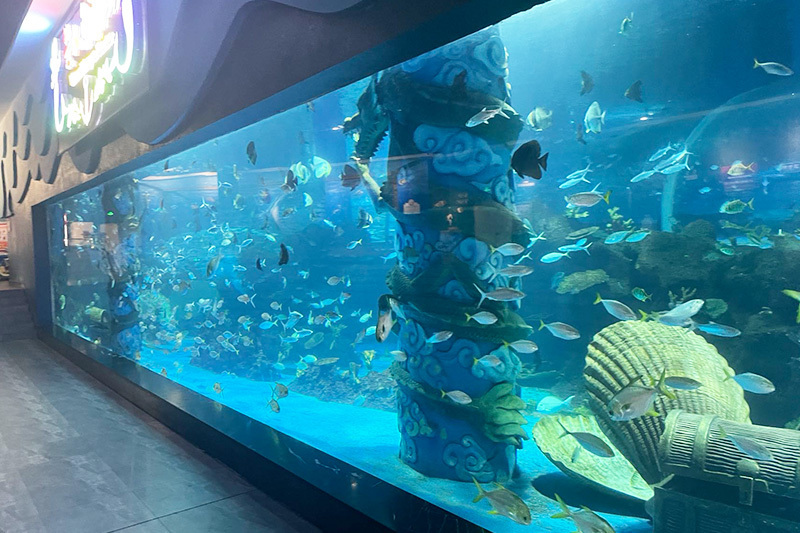
One of the key advantages of acrylic cylinders is their high clarity and transparency. This characteristic allows for excellent visibility, enabling farmers and researchers to monitor fish behavior and health without causing stress to the aquatic creatures. Unlike traditional glass, acrylic is lighter and more durable, making it easier to handle and less prone to shattering. This durability is essential in environments where equipment can be easily damaged.
Acrylic cylinders are also highly resistant to chemicals and UV light, making them suitable for long-term use in diverse aquatic settings. The resistance to UV light helps prevent degradation from exposure to sunlight, ensuring that the cylinders maintain their structural integrity and clarity over time. This is particularly beneficial for outdoor aquaculture systems, where equipment must withstand varying environmental conditions.
In addition to their physical properties, acrylic cylinders can enhance water circulation and aeration in aquaculture systems. By using these cylinders in filtration systems, farmers can create efficient water flow that promotes healthier aquatic environments. Improved water quality directly correlates with fish health, growth rates, and overall productivity, making acrylic cylinders a valuable asset in farming practices.
Moreover, acrylic cylinders can be used creatively to design habitats for aquatic species. They can serve as shelters for young fish or as breeding chambers, providing a safe environment for various life stages. This not only supports fish development but also allows for better management of breeding programs, essential for sustainable aquaculture.
Sustainability is another important factor in the use of acrylic cylinders. Their longevity and durability mean they require less frequent replacement compared to other materials, contributing to reduced waste and lower resource consumption. By incorporating acrylic cylinders into aquaculture systems, farmers can align their practices with environmental conservation efforts.
In conclusion, acrylic cylinders are versatile tools in the aquaculture industry, offering benefits that enhance both productivity and sustainability. Their clarity, durability, and resistance to environmental factors make them an excellent choice for various applications, from monitoring fish health to improving water quality. As the aquaculture industry continues to evolve, the adoption of innovative materials like acrylic can play a critical role in shaping the future of sustainable aquatic farming.
One of the key advantages of acrylic cylinders is their high clarity and transparency. This characteristic allows for excellent visibility, enabling farmers and researchers to monitor fish behavior and health without causing stress to the aquatic creatures. Unlike traditional glass, acrylic is lighter and more durable, making it easier to handle and less prone to shattering. This durability is essential in environments where equipment can be easily damaged.
Acrylic cylinders are also highly resistant to chemicals and UV light, making them suitable for long-term use in diverse aquatic settings. The resistance to UV light helps prevent degradation from exposure to sunlight, ensuring that the cylinders maintain their structural integrity and clarity over time. This is particularly beneficial for outdoor aquaculture systems, where equipment must withstand varying environmental conditions.
In addition to their physical properties, acrylic cylinders can enhance water circulation and aeration in aquaculture systems. By using these cylinders in filtration systems, farmers can create efficient water flow that promotes healthier aquatic environments. Improved water quality directly correlates with fish health, growth rates, and overall productivity, making acrylic cylinders a valuable asset in farming practices.
Moreover, acrylic cylinders can be used creatively to design habitats for aquatic species. They can serve as shelters for young fish or as breeding chambers, providing a safe environment for various life stages. This not only supports fish development but also allows for better management of breeding programs, essential for sustainable aquaculture.
Sustainability is another important factor in the use of acrylic cylinders. Their longevity and durability mean they require less frequent replacement compared to other materials, contributing to reduced waste and lower resource consumption. By incorporating acrylic cylinders into aquaculture systems, farmers can align their practices with environmental conservation efforts.
In conclusion, acrylic cylinders are versatile tools in the aquaculture industry, offering benefits that enhance both productivity and sustainability. Their clarity, durability, and resistance to environmental factors make them an excellent choice for various applications, from monitoring fish health to improving water quality. As the aquaculture industry continues to evolve, the adoption of innovative materials like acrylic can play a critical role in shaping the future of sustainable aquatic farming.
Acrylic cylinder
Latest information


WhatsApp: 8615371043985
Add: CAI Xi Group, CAI Xiang Village, Jichuan Street, Taixing City, Jiangsu Province, China