


Exploring the Benefits of Acrylic Fish Tanks for Aquaculture
Acrylic fish tanks are an innovative solution for aquaculture, offering a range of benefits that can enhance the growth and health of aquatic life. One of the notable advantages of acrylic over glass is its incredible strength and durability. Acrylic is significantly less likely to shatter or crack compared to glass, which means it can withstand the rigors of both indoor and outdoor environments.
Release time:
2026-08-22
Acrylic fish tanks are an innovative solution for aquaculture, offering a range of benefits that can enhance the growth and health of aquatic life. One of the notable advantages of acrylic over glass is its incredible strength and durability. Acrylic is significantly less likely to shatter or crack compared to glass, which means it can withstand the rigors of both indoor and outdoor environments. This resilience makes acrylic fish tanks a safe option for housing various fish species, reducing the risk of costly accidents.
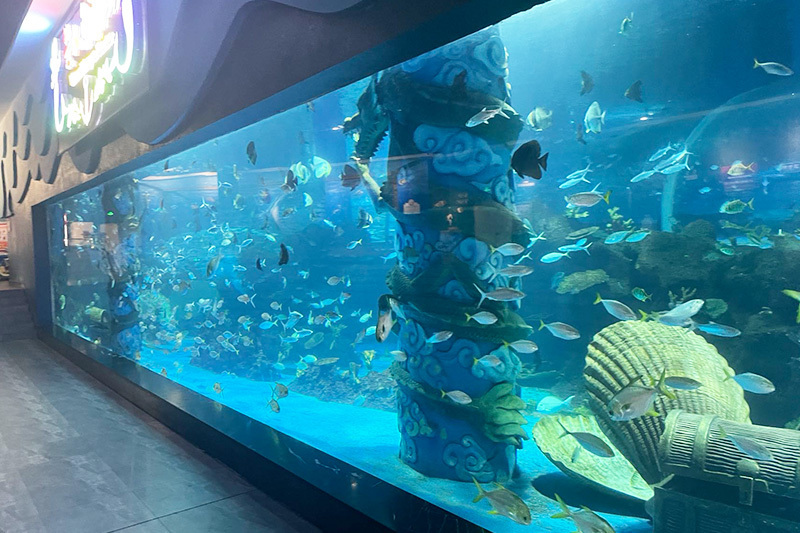
Another key benefit of acrylic fish tanks is their remarkable clarity. Acrylic can provide up to 92% light transmittance, allowing for excellent visibility of the aquatic environment. This is particularly important for aquaculture operations, as it enables better monitoring of fish health and behavior. The enhanced clarity also allows for optimal lighting conditions, which can promote the growth of aquatic plants and improve the overall ecosystem within the tank.
Acrylic fish tanks are also lighter than glass tanks, making them easier to move and install. This feature is particularly beneficial in commercial settings where tanks may need to be rearranged or relocated frequently. Furthermore, acrylic is available in various shapes and sizes, allowing for customization to fit specific space requirements or aesthetic preferences. This versatility makes acrylic tanks suitable for a wide range of applications, from small home aquariums to large-scale aquaculture facilities.
In addition to their physical properties, acrylic fish tanks are also easier to maintain. The smooth surface of acrylic is less prone to algae buildup, which can simplify cleaning processes. Regular maintenance is crucial in aquaculture to ensure optimal water quality and fish health, and acrylic tanks can help streamline this routine.
Moreover, acrylic fish tanks offer excellent insulation properties, helping to maintain stable water temperatures. This is especially critical in aquaculture, where temperature fluctuations can stress fish and compromise growth. By utilizing acrylic tanks, aquaculture operators can create a more stable and controlled environment for their aquatic species.
In conclusion, acrylic fish tanks present a multitude of benefits that make them an ideal choice for aquaculture applications. Their durability, clarity, lightweight nature, and ease of maintenance contribute to a more efficient and productive aquaculture environment. As the industry continues to evolve, incorporating acrylic fish tanks can lead to improved outcomes in fish health and growth, ultimately benefiting both commercial and hobbyist operations alike.
Another key benefit of acrylic fish tanks is their remarkable clarity. Acrylic can provide up to 92% light transmittance, allowing for excellent visibility of the aquatic environment. This is particularly important for aquaculture operations, as it enables better monitoring of fish health and behavior. The enhanced clarity also allows for optimal lighting conditions, which can promote the growth of aquatic plants and improve the overall ecosystem within the tank.
Acrylic fish tanks are also lighter than glass tanks, making them easier to move and install. This feature is particularly beneficial in commercial settings where tanks may need to be rearranged or relocated frequently. Furthermore, acrylic is available in various shapes and sizes, allowing for customization to fit specific space requirements or aesthetic preferences. This versatility makes acrylic tanks suitable for a wide range of applications, from small home aquariums to large-scale aquaculture facilities.
In addition to their physical properties, acrylic fish tanks are also easier to maintain. The smooth surface of acrylic is less prone to algae buildup, which can simplify cleaning processes. Regular maintenance is crucial in aquaculture to ensure optimal water quality and fish health, and acrylic tanks can help streamline this routine.
Moreover, acrylic fish tanks offer excellent insulation properties, helping to maintain stable water temperatures. This is especially critical in aquaculture, where temperature fluctuations can stress fish and compromise growth. By utilizing acrylic tanks, aquaculture operators can create a more stable and controlled environment for their aquatic species.
In conclusion, acrylic fish tanks present a multitude of benefits that make them an ideal choice for aquaculture applications. Their durability, clarity, lightweight nature, and ease of maintenance contribute to a more efficient and productive aquaculture environment. As the industry continues to evolve, incorporating acrylic fish tanks can lead to improved outcomes in fish health and growth, ultimately benefiting both commercial and hobbyist operations alike.
Acrylic fish tank
Latest information


WhatsApp: 8615371043985
Add: CAI Xi Group, CAI Xiang Village, Jichuan Street, Taixing City, Jiangsu Province, China