


The Versatility and Benefits of Acrylic Tunnels in Modern Applications
Acrylic, also known as polymethyl methacrylate (PMMA), is a transparent thermoplastic that is widely recognized for its clarity and durability. One of the most intriguing applications of acrylic is the production of tunnels, which serve a range of purposes across different sectors. The use of acrylic tunnels has expanded in recent years, and understanding their properties can help businesses and c
Release time:
2026-08-28
Acrylic, also known as polymethyl methacrylate (PMMA), is a transparent thermoplastic that is widely recognized for its clarity and durability. One of the most intriguing applications of acrylic is the production of tunnels, which serve a range of purposes across different sectors. The use of acrylic tunnels has expanded in recent years, and understanding their properties can help businesses and consumers make informed decisions.
One of the primary advantages of acrylic tunnels is their excellent optical clarity. Unlike glass, acrylic can transmit up to 92% of visible light, making it an ideal choice for applications where visibility is essential. This feature is particularly beneficial in the display and retail industries, where acrylic tunnels can enhance product visibility and attract customer attention.
Acrylic tunnels are also lightweight, which makes them easier to handle and transport compared to glass alternatives. This characteristic is advantageous for shipping and installation, reducing logistical challenges. Additionally, acrylic is shatter-resistant, making tunnels crafted from this material safer in environments where breakage could pose a risk.
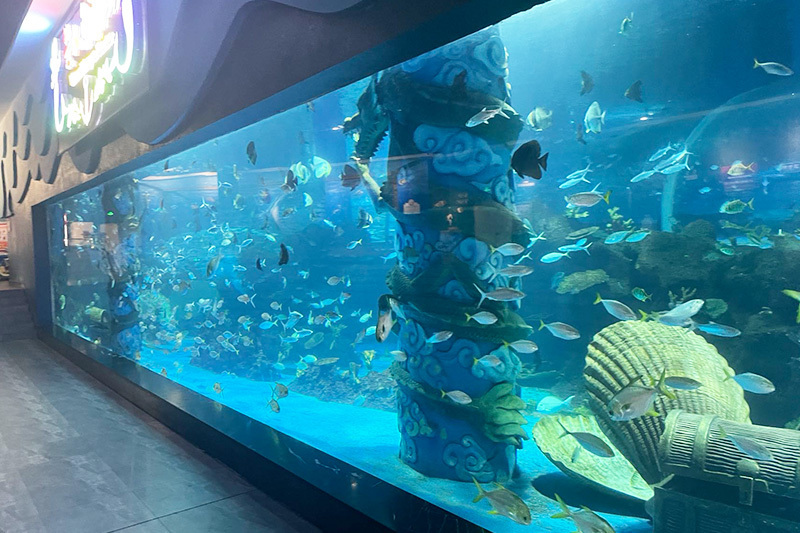
In terms of versatility, acrylic tunnels can be molded into various shapes and sizes, accommodating a wide range of uses. They are commonly found in the pet industry as enclosures for reptiles and small mammals, providing a safe and visually appealing habitat. Moreover, acrylic tunnels can be utilized in landscaping and architecture, creating stunning visual effects in outdoor spaces or as decorative elements in interior design.
Another significant benefit of acrylic tunnels is their resistance to UV light, which prevents yellowing and maintains clarity over time. This property is especially important for installations exposed to sunlight, as it ensures longevity and reduces the need for frequent replacements.
Acrylic tunnels also offer excellent thermal insulation properties, making them suitable for energy-efficient applications. They can help maintain temperature control in various settings, contributing to a more comfortable environment.
In summary, acrylic tunnels are a practical and aesthetically pleasing solution for numerous applications. Their lightweight, shatter-resistant nature combined with high optical clarity makes them a preferred choice in industries ranging from retail to pet care. As the demand for versatile and durable materials continues to grow, acrylic tunnels are likely to play an increasingly significant role in modern design and functionality. Understanding these benefits can help individuals and businesses optimize their use of this innovative material in their respective fields.
One of the primary advantages of acrylic tunnels is their excellent optical clarity. Unlike glass, acrylic can transmit up to 92% of visible light, making it an ideal choice for applications where visibility is essential. This feature is particularly beneficial in the display and retail industries, where acrylic tunnels can enhance product visibility and attract customer attention.
Acrylic tunnels are also lightweight, which makes them easier to handle and transport compared to glass alternatives. This characteristic is advantageous for shipping and installation, reducing logistical challenges. Additionally, acrylic is shatter-resistant, making tunnels crafted from this material safer in environments where breakage could pose a risk.
In terms of versatility, acrylic tunnels can be molded into various shapes and sizes, accommodating a wide range of uses. They are commonly found in the pet industry as enclosures for reptiles and small mammals, providing a safe and visually appealing habitat. Moreover, acrylic tunnels can be utilized in landscaping and architecture, creating stunning visual effects in outdoor spaces or as decorative elements in interior design.
Another significant benefit of acrylic tunnels is their resistance to UV light, which prevents yellowing and maintains clarity over time. This property is especially important for installations exposed to sunlight, as it ensures longevity and reduces the need for frequent replacements.
Acrylic tunnels also offer excellent thermal insulation properties, making them suitable for energy-efficient applications. They can help maintain temperature control in various settings, contributing to a more comfortable environment.
In summary, acrylic tunnels are a practical and aesthetically pleasing solution for numerous applications. Their lightweight, shatter-resistant nature combined with high optical clarity makes them a preferred choice in industries ranging from retail to pet care. As the demand for versatile and durable materials continues to grow, acrylic tunnels are likely to play an increasingly significant role in modern design and functionality. Understanding these benefits can help individuals and businesses optimize their use of this innovative material in their respective fields.
Acrylic tunnel
Latest information


WhatsApp: 8615371043985
Add: CAI Xi Group, CAI Xiang Village, Jichuan Street, Taixing City, Jiangsu Province, China