


Why Choose Acrylic Fish Tanks Over Glass for Your Aquarium Needs?
Why Choose Acrylic Fish Tanks Over Glass for Your Aquarium Needs? Aquarium enthusiasts continuously look for the best options to house their aquatic life, and the debate between acrylic and glass fish tanks has persisted for years. While both materials have their merits, acrylic fish tanks offer a plethora of advantages that make them a superior choice for your aquarium needs. This article delves
Release time:
2025-10-04
Why Choose Acrylic Fish Tanks Over Glass for Your Aquarium Needs?
Aquarium enthusiasts continuously look for the best options to house their aquatic life, and the debate between acrylic and glass fish tanks has persisted for years. While both materials have their merits, acrylic fish tanks offer a plethora of advantages that make them a superior choice for your aquarium needs. This article delves into the compelling reasons to choose acrylic over glass, exploring aspects such as durability, weight, clarity, maintenance, and design flexibility.
Understanding the Basics: Acrylic vs. Glass Aquariums
When considering an aquarium, it's essential to understand the fundamental differences between acrylic and glass. **Acrylic**, a type of plastic, is known for its lightweight and impact-resistant properties, while **glass** is heavier and more prone to shattering.
The Composition of Acrylic and Glass
Acrylic is a synthetic polymer, which makes it more flexible and less likely to crack under stress. In contrast, glass is a rigid material that, while clear and aesthetically pleasing, can be fragile. This difference in composition leads to various practical implications for aquarium owners.
Weight Considerations: Why Acrylic is the Better Choice
One of the most notable advantages of acrylic fish tanks is their significantly reduced weight. For instance, a 100-gallon acrylic tank can weigh around 60 pounds, whereas a glass tank of the same size can weigh more than 200 pounds. This **weight difference** not only simplifies transportation but also makes it easier to set up and manage large aquariums in various locations within your home or office.
Durability: The Long-lasting Nature of Acrylic
Durability is crucial when selecting an aquarium. Acrylic tanks boast superior resilience compared to their glass counterparts.
Impact Resistance: A Robust Option for Aquatic Life
Acrylic is known for its impact resistance, which means it is less likely to break or crack when subjected to accidental bumps or falls. This feature makes acrylic tanks ideal for households with pets or children. In contrast, glass tanks can shatter with significant force, posing a risk to both your fish and your environment.
Scratch Resistance: Preserving Aesthetic Appeal
While acrylic tanks are not immune to scratches, they can be polished to restore clarity if scratched. In contrast, glass tanks tend to show wear and tear more visibly, often requiring replacement. The ability to maintain the pristine appearance of an acrylic tank is a significant advantage for aquarium enthusiasts who take pride in their setups.
Clarity and Aesthetics: Crystal Clear Viewing Experience
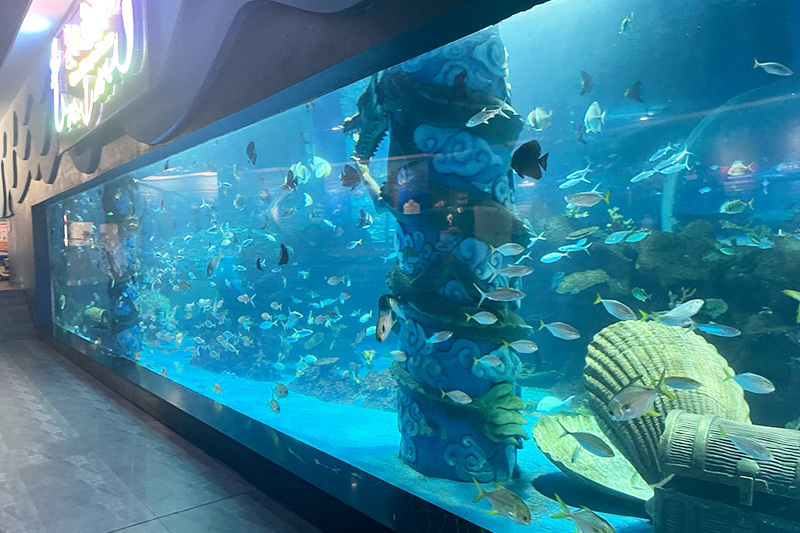
Acrylic fish tanks provide an unparalleled viewing experience.
Enhanced Light Transmission
Acrylic boasts a higher light transmission rate than glass, allowing for a brighter and more vibrant display of your aquatic life. This feature is particularly beneficial for planted aquariums where lighting is essential for plant health and growth.
Seamless Designs: Unlimited Customized Shapes
Acrylic's malleable nature allows it to be molded into various shapes and sizes, offering more design flexibility compared to glass. Whether you’re looking for a traditional rectangular tank or a uniquely shaped aquarium that fits a specific space, acrylic can accommodate your vision.
Maintenance Made Easy: Acrylic Tanks Simplified
Maintaining an aquarium can be time-consuming, but acrylic tanks simplify the process in several ways.
Cleaning Convenience: Less Time, More Enjoyment
Cleaning acrylic tanks is often easier than glass, as their lighter weight allows for easier handling and repositioning. Moreover, the seamless design of many acrylic tanks means fewer corners and joints where algae can accumulate, reducing cleaning time.
Preventing Algae Build-up
Due to their smooth surface, acrylic tanks can be less prone to algae build-up compared to glass tanks, particularly if UV resistant acrylic is chosen. This feature can enhance the overall aesthetic of your aquarium and reduce the frequency of maintenance.
Cost Considerations: Analyzing the Investment
While acrylic tanks generally have a higher upfront cost than glass tanks, their longevity and durability can justify the investment.
Long-term Value: Saving on Repairs and Replacements
The resilience of acrylic means fewer replacements and repairs over time. This durability translates into a long-term cost savings that many aquarium owners may overlook when considering the initial price.
Additional Accessories: Finding the Perfect Fit
Acrylic tanks often come with a range of customizable accessories, including filtration systems, LED lighting, and modular designs. These options allow you to tailor your aquarium setup to your specific needs and preferences.
Environmental Impact: Choosing Sustainable Options
In today's world, considering the environmental impact of our choices is essential. Acrylic, being a recyclable material, offers a more sustainable option compared to traditional glass.
Recycling Benefits: A Greener Choice
While both acrylic and glass can be recycled, the process for recycling acrylic is less energy-intensive. Opting for acrylic can help reduce your carbon footprint, making it a more environmentally friendly choice for aquarium enthusiasts.
FAQs About Acrylic Fish Tanks
1. Are acrylic fish tanks safe for fish?
Yes, acrylic fish tanks are safe for fish and provide a healthy environment when properly maintained.
2. Can acrylic tanks yellow over time?
If exposed to excessive sunlight, acrylic can yellow. However, high-quality acrylic tanks are UV-resistant, minimizing this effect.
3. How do I clean an acrylic fish tank?
Use a soft cloth or sponge with a non-abrasive cleaner to avoid scratching the surface. Regular cleaning helps maintain clarity.
4. Are acrylic tanks more expensive than glass tanks?
Yes, acrylic tanks usually have a higher initial cost, but their durability and longevity can provide long-term savings.
5. What sizes are available for acrylic fish tanks?
Acrylic tanks are available in a wide range of sizes and shapes, often customizable to fit specific spaces or design preferences.
Conclusion
Selecting the right fish tank is crucial for any aquarium enthusiast. Acrylic tanks offer numerous advantages over glass tanks, including superior durability, lightweight design, enhanced clarity, and ease of maintenance. While the initial investment may be higher, the long-term benefits and aesthetic appeal of acrylic make it the optimal choice for those serious about their aquatic displays. By choosing acrylic, you not only ensure the safety and enjoyment of your fish but also contribute to a more sustainable choice for your aquarium needs. Whether you're a beginner or a seasoned aquarist, considering acrylic can elevate your aquarium experience to new heights.
Acrylic fish tank
Latest information


WhatsApp: 8615371043985
Add: CAI Xi Group, CAI Xiang Village, Jichuan Street, Taixing City, Jiangsu Province, China