


Exploring the Applications and Benefits of Acrylic Cylinders in Aquaculture
Acrylic cylinders, known for their clarity and durability, are increasingly being utilized in various agricultural and aquaculture applications. Made from a type of polymer called polymethyl methacrylate (PMMA), these cylinders provide excellent optical clarity, making them ideal for monitoring aquatic environments. Their lightweight nature, combined with high resistance to impact and UV radiation
Release time:
2025-10-05
Acrylic cylinders, known for their clarity and durability, are increasingly being utilized in various agricultural and aquaculture applications. Made from a type of polymer called polymethyl methacrylate (PMMA), these cylinders provide excellent optical clarity, making them ideal for monitoring aquatic environments. Their lightweight nature, combined with high resistance to impact and UV radiation, sets them apart from traditional glass alternatives.
In aquaculture, acrylic cylinders are primarily used for water quality monitoring and animal husbandry. Their transparent structure allows for easy observation of fish and other aquatic organisms, enabling farmers to assess their health and behavior without causing stress or disturbance. This is particularly important in aquaculture, where maintaining optimal living conditions is essential for the growth and well-being of aquatic species.
Moreover, acrylic cylinders can be used in filtration systems, acting as housing for water pumps and filters. Their resistance to corrosion and biological growth makes them suitable for long-term use in aquatic environments, ensuring that they maintain efficiency and effectiveness over time. Additionally, acrylic's smooth surface aids in reducing the buildup of algae and other organic materials, promoting better water quality.
Another significant application of acrylic cylinders in the aquaculture sector is in the design of aquaponics systems. These integrated systems combine aquaculture with hydroponics, allowing for the cultivation of plants alongside aquatic animals. Acrylic cylinders can serve as growth chambers for both fish and plants, providing a controlled environment where nutrients can be efficiently exchanged. This innovative approach not only maximizes production but also promotes sustainability in food systems.
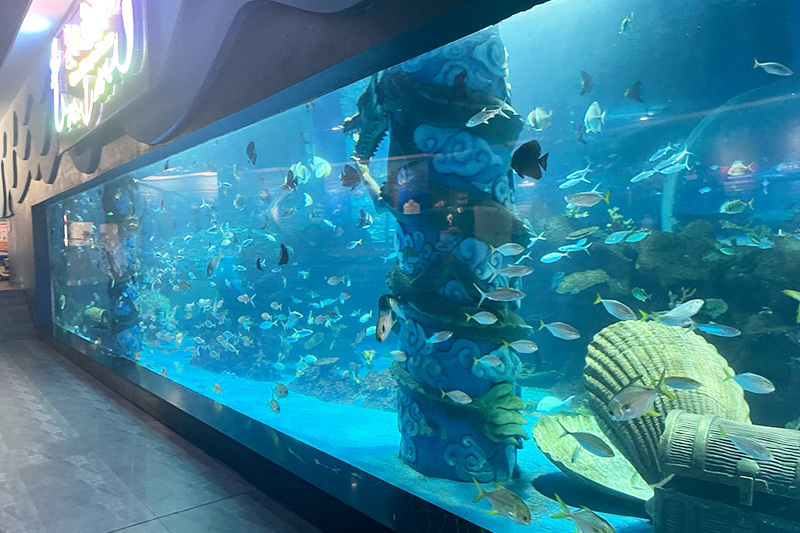
The use of acrylic cylinders is not limited to monitoring and filtration; they can also serve educational purposes. Aquaculture facilities often employ acrylic cylinders in demonstration tanks to showcase aquatic life to visitors, helping to raise awareness about sustainable farming practices and the importance of aquatic ecosystems. Their aesthetic appeal and clarity make them an effective tool for engaging the public and fostering interest in aquaculture.
In summary, acrylic cylinders play a vital role in modern aquaculture, demonstrating versatility across various applications from monitoring to education. Their unique properties contribute to the sustainability and efficiency of aquatic farming practices, ensuring that the industry can meet the growing demand for seafood while minimizing environmental impact. As aquaculture continues to evolve, acrylic cylinders will likely remain an integral component of facility agriculture and fisheries, enhancing productivity and promoting responsible management of aquatic resources.
Acrylic cylinder
Latest information


WhatsApp: 8615371043985
Add: CAI Xi Group, CAI Xiang Village, Jichuan Street, Taixing City, Jiangsu Province, China