


Acrylic Fish Tanks: The Ideal Starter Aquariums for New Hobbyists
Acrylic Fish Tanks: The Ideal Starter Aquariums for New Hobbyists When it comes to immersing yourself in the aquatic world, choosing the right fish tank can be the difference between success and frustration. For beginners, **acrylic fish tanks** offer a myriad of advantages that make them an excellent choice. In this comprehensive guide, we will delve into the myriad of reasons why acrylic tanks a
Release time:
2025-12-03
Acrylic Fish Tanks: The Ideal Starter Aquariums for New Hobbyists
When it comes to immersing yourself in the aquatic world, choosing the right fish tank can be the difference between success and frustration. For beginners, **acrylic fish tanks** offer a myriad of advantages that make them an excellent choice. In this comprehensive guide, we will delve into the myriad of reasons why acrylic tanks are ideal for newcomers, how to set them up, and essential maintenance tips to keep your aquatic environment thriving.
Table of Contents
- 1. Benefits of Acrylic Fish Tanks
- 2. Acrylic vs. Glass Fish Tanks: A Comparison
- 3. How to Choose the Right Acrylic Fish Tank
- 4. Setting Up Your Acrylic Fish Tank: Step-by-Step
- 5. Maintaining Your Acrylic Fish Tank
- 6. Common Fish for Beginners
- 7. Troubleshooting Common Issues with Acrylic Fish Tanks
- 8. Frequently Asked Questions
1. Benefits of Acrylic Fish Tanks
Acrylic fish tanks have gained popularity among hobbyists for various reasons. Their unique characteristics set them apart from traditional glass tanks, making them particularly appealing for beginners.
Durability and Light Weight
One of the foremost advantages of acrylic tanks is their **durability**. Unlike glass, acrylic is less likely to shatter upon impact. This characteristic is particularly beneficial for beginners who may not yet be adept at handling tank equipment. Additionally, acrylic is much **lighter** than glass, making it easier to transport and set up without requiring heavy lifting.
Clarity and Aesthetic Appeal
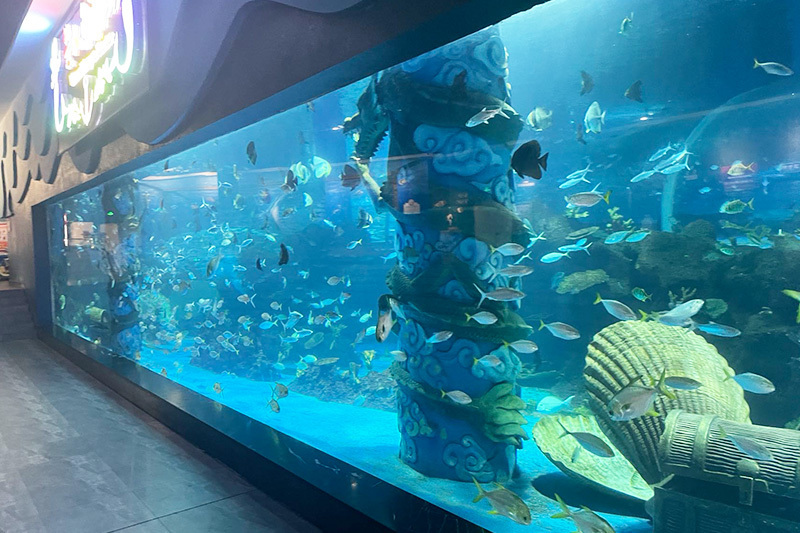
Acrylic provides superior **optical clarity**, allowing for a stunning view of your aquatic life. The seamless design of acrylic tanks also enhances the aesthetic appeal, creating a visually pleasing display. This clarity allows beginners to easily monitor fish behavior and water conditions, creating a more engaging hobby experience.
Insulation Properties
Acrylic has excellent **insulating properties**, which helps to maintain water temperature more effectively than glass. This feature can be particularly helpful for beginners who may not yet be aware of the importance of temperature stability in their aquariums.
Customization Options
Another significant benefit of acrylic fish tanks is the range of **customization options** available. Many companies offer acrylic tanks in various shapes and sizes, allowing you to choose one that fits perfectly in your living space. Additionally, you can easily modify acrylic tanks with accessories such as built-in filtration systems or LED lighting.
2. Acrylic vs. Glass Fish Tanks: A Comparison
While both acrylic and glass fish tanks have their pros and cons, understanding the differences can help you make an informed decision.
Price Comparison
Acrylic tanks are generally more expensive than glass tanks. However, the benefits—such as durability, weight, and insulation—often justify the higher initial cost for beginners.
Scratch Resistance
Glass tanks are more resistant to scratches than acrylic ones. However, acrylic tanks can be polished to remove minor scratches, ensuring their clarity remains intact.
Weight Considerations
As mentioned before, acrylic tanks are significantly lighter than glass tanks. This feature makes acrylic tanks a better choice for beginners who may not have the strength to lift heavy glass tanks.
Long-Term Durability
In terms of longevity, acrylic tanks often outlast glass tanks due to their impact-resistant nature. Beginners can enjoy peace of mind, knowing that their aquariums are less likely to break.
3. How to Choose the Right Acrylic Fish Tank
Selecting the right acrylic fish tank is critical for ensuring a successful start in the hobby.
Size Matters
For beginners, it’s essential to consider the **size** of the tank. Generally, larger tanks are easier to maintain than smaller ones. A 20-gallon tank is a good starting point for beginners as it provides ample space for fish to thrive and offers more stable water conditions.
Shape and Design
Consider the **shape** and design of the tank. Some beginners may prefer a rectangular tank for ease of filtration and fish movement, while others may opt for a unique shape for aesthetic reasons. The tank's design can also influence how you arrange decorations and plants.
Built-In Features
Look for acrylic tanks with **built-in features**, such as filtration systems or lighting. These features can simplify the setup process and reduce the need for additional equipment.
4. Setting Up Your Acrylic Fish Tank: Step-by-Step
Setting up your acrylic fish tank can be an exciting and rewarding process. Follow these steps for a successful setup.
Step 1: Choose a Location
Select a stable, level surface away from direct sunlight, heat sources, and high traffic areas. This location will help maintain a stable environment for your fish.
Step 2: Rinse the Tank
Before adding substrate and decorations, rinse the tank with warm water to remove any dust or residues from manufacturing. Avoid using soap or cleaning agents, as they can harm your fish.
Step 3: Add Substrate
Choose an appropriate substrate based on the type of fish and plants you plan to keep. Rinse the substrate thoroughly before adding it to the tank.
Step 4: Decorate the Tank
Add decorations and plants to create hiding spots and enrich the environment for your fish. Ensure that any materials used are aquarium-safe.
Step 5: Install Equipment
Set up your **filter**, heater, and lighting according to the manufacturer’s instructions. Ensure that all equipment is functioning correctly before adding water.
Step 6: Fill the Tank with Water
Slowly fill the tank with dechlorinated water. Monitor the water temperature and adjust your heater as needed.
Step 7: Cycle the Tank
Before introducing fish, it's crucial to cycle the tank to establish beneficial bacteria. This process can take several weeks but is essential for maintaining good water quality.
Step 8: Introduce Fish Gradually
Once the tank has cycled, gradually introduce fish to minimize stress. Start with a few hardy species and monitor their health and behavior.
5. Maintaining Your Acrylic Fish Tank
Proper maintenance is critical for keeping your acrylic fish tank in top condition.
Regular Water Changes
Perform regular water changes (approximately 10-15% weekly) to maintain water quality and remove toxins. Use a gravel vacuum to clean the substrate during these changes.
Monitor Water Parameters
Regularly check water parameters, such as pH, ammonia, nitrites, and nitrates. Keeping these levels stable is vital for the health of your fish.
Clean the Tank and Equipment
Keep the tank clean by gently scrubbing the walls with an aquarium-safe sponge. Avoid abrasive cleaners that can scratch the acrylic. Clean the filter and other equipment according to the manufacturer's recommendations.
Feed Appropriately
Provide a balanced diet for your fish and avoid overfeeding, which can lead to poor water quality and health issues.
6. Common Fish for Beginners
Choosing the right fish is essential for a successful aquarium. Here are some excellent options for beginners:
Betta Fish
Betta fish are vibrant and relatively easy to care for. They require a minimum of a 5-gallon tank with a heater.
Neon Tetras
Neon tetras are small, colorful fish that thrive in schools. They prefer a planted tank with peaceful tank mates.
Goldfish
While they require larger tanks than commonly thought, goldfish can be great for beginners if housed properly.
Guppies
Guppies are hardy and breed easily. They come in various colors and are perfect for community tanks.
7. Troubleshooting Common Issues with Acrylic Fish Tanks
Even with the best practices, issues may arise. Here are some common problems and their solutions.
Cloudy Water
Cloudy water can result from overfeeding or inadequate filtration. Perform a water change and ensure your filter is functioning correctly.
Algae Growth
Excessive algae can occur due to too much light or nutrients. Reduce light exposure and consider adding algae-eating fish or snails.
Fish Stress
Fish can become stressed due to overcrowding or aggressive tank mates. Ensure your tank is appropriately stocked and compatible species are housed together.
8. Frequently Asked Questions
Q1: How long can acrylic fish tanks last?
A: With proper care, acrylic fish tanks can last for many years, often outlasting glass tanks due to their durability.
Q2: Can I use acrylic tanks for saltwater fish?
A: Yes, acrylic tanks can be used for saltwater setups, but ensure that they are specifically designed for saltwater environments.
Q3: How do I remove scratches from my acrylic fish tank?
A: You can use a fine polishing compound and a soft cloth to buff out minor scratches on acrylic.
Q4: Do I need a heater for my acrylic fish tank?
A: Depending on the fish species you choose, you may need a heater to maintain a stable temperature.
Q5: Is it safe to use tap water in my acrylic fish tank?
A: Tap water can be used, but it should be treated with a dechlorinator to remove harmful chemicals before adding it to the tank.
Conclusion
Acrylic fish tanks are an excellent choice for beginners looking to enter the captivating world of aquatics. Their durability, aesthetic appeal, and ease of maintenance make them a suitable option for novice hobbyists. By choosing the right size and setting up your tank properly, you can create a thriving environment for your fish. Remember to maintain your tank regularly and monitor water parameters to ensure a healthy aquatic habitat. With the right knowledge and care, your acrylic fish tank can become a beautiful centerpiece in your home and a rewarding hobby for years to come.
Acrylic fish tank
Latest information


WhatsApp: 8615371043985
Add: CAI Xi Group, CAI Xiang Village, Jichuan Street, Taixing City, Jiangsu Province, China