


The Versatile Applications of Acrylic Cylinders in Aquaculture
Acrylic cylinders are increasingly gaining popularity in the agricultural and aquaculture sectors due to their numerous beneficial properties. Made from a transparent thermoplastic, acrylic is known for its strength, clarity, and resistance to UV light and weathering, making it an ideal material for various applications in facility agriculture and aquaculture. One significant advantage of acrylic
Release time:
2025-12-04
Acrylic cylinders are increasingly gaining popularity in the agricultural and aquaculture sectors due to their numerous beneficial properties. Made from a transparent thermoplastic, acrylic is known for its strength, clarity, and resistance to UV light and weathering, making it an ideal material for various applications in facility agriculture and aquaculture.
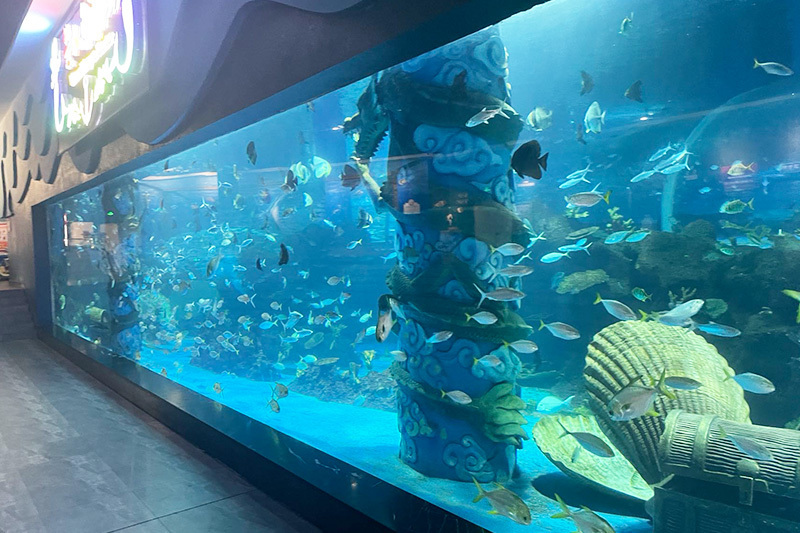
One significant advantage of acrylic cylinders is their excellent visibility. The transparent nature of acrylic allows for easy monitoring of aquatic environments without disturbing the inhabitants. This feature is particularly valuable in aquaculture, where maintaining optimal conditions for fish and other aquatic organisms is crucial. With acrylic cylinders, farmers can observe water quality, algae growth, and fish behavior, enabling them to make real-time adjustments to their farming practices.
Moreover, acrylic cylinders are lightweight yet durable. Compared to glass, acrylic is less prone to breakage, which is essential in environments where equipment may be subject to impacts or harsh conditions. This durability ensures that farmers can rely on these tools for extended periods, reducing the need for frequent replacements and thereby lowering operational costs.
In terms of design flexibility, acrylic cylinders can be easily molded into various shapes and sizes. This versatility allows for customized solutions tailored to specific aquaculture needs, such as creating breeding tanks, filtration systems, or nutrient delivery systems. The adaptability of acrylic makes it possible to construct systems that optimize space and enhance resource efficiency, vital components in modern facility agriculture.
Another crucial aspect is the ease of maintenance associated with acrylic cylinders. Their smooth surface is less likely to harbor algae and biofilm, which can complicate maintenance in other types of materials. This ease of cleaning saves valuable time and labor for aquaculture professionals, allowing them to focus more on production rather than upkeep.
Furthermore, the use of acrylic cylinders aligns with sustainable practices in aquaculture. By providing an efficient way to monitor and manage aquatic ecosystems, these tools support the development of environmentally responsible farming methods. Sustainable aquaculture practices are essential in addressing global food security while also preserving marine ecosystems.
In conclusion, acrylic cylinders are a vital asset in the agricultural and aquaculture industries. Their unique properties—such as clarity, durability, design flexibility, and ease of maintenance—make them suitable for a range of applications. By incorporating acrylic cylinders into their operations, aquaculture professionals can enhance productivity, ensure better monitoring of aquatic environments, and contribute to more sustainable farming practices. As the demand for innovative solutions in facility agriculture continues to grow, acrylic cylinders will undoubtedly play a significant role in shaping the future of aquaculture.
One significant advantage of acrylic cylinders is their excellent visibility. The transparent nature of acrylic allows for easy monitoring of aquatic environments without disturbing the inhabitants. This feature is particularly valuable in aquaculture, where maintaining optimal conditions for fish and other aquatic organisms is crucial. With acrylic cylinders, farmers can observe water quality, algae growth, and fish behavior, enabling them to make real-time adjustments to their farming practices.
Moreover, acrylic cylinders are lightweight yet durable. Compared to glass, acrylic is less prone to breakage, which is essential in environments where equipment may be subject to impacts or harsh conditions. This durability ensures that farmers can rely on these tools for extended periods, reducing the need for frequent replacements and thereby lowering operational costs.
In terms of design flexibility, acrylic cylinders can be easily molded into various shapes and sizes. This versatility allows for customized solutions tailored to specific aquaculture needs, such as creating breeding tanks, filtration systems, or nutrient delivery systems. The adaptability of acrylic makes it possible to construct systems that optimize space and enhance resource efficiency, vital components in modern facility agriculture.
Another crucial aspect is the ease of maintenance associated with acrylic cylinders. Their smooth surface is less likely to harbor algae and biofilm, which can complicate maintenance in other types of materials. This ease of cleaning saves valuable time and labor for aquaculture professionals, allowing them to focus more on production rather than upkeep.
Furthermore, the use of acrylic cylinders aligns with sustainable practices in aquaculture. By providing an efficient way to monitor and manage aquatic ecosystems, these tools support the development of environmentally responsible farming methods. Sustainable aquaculture practices are essential in addressing global food security while also preserving marine ecosystems.
In conclusion, acrylic cylinders are a vital asset in the agricultural and aquaculture industries. Their unique properties—such as clarity, durability, design flexibility, and ease of maintenance—make them suitable for a range of applications. By incorporating acrylic cylinders into their operations, aquaculture professionals can enhance productivity, ensure better monitoring of aquatic environments, and contribute to more sustainable farming practices. As the demand for innovative solutions in facility agriculture continues to grow, acrylic cylinders will undoubtedly play a significant role in shaping the future of aquaculture.
Acrylic cylinder
Latest information


WhatsApp: 8615371043985
Add: CAI Xi Group, CAI Xiang Village, Jichuan Street, Taixing City, Jiangsu Province, China