


Enhancing Aquatic Environments: The Benefits of Acrylic Fish Tanks
Acrylic fish tanks have emerged as a preferred choice in both commercial and hobbyist aquaculture settings, thanks to their numerous benefits over traditional glass tanks. One of the most notable advantages is the exceptional clarity that acrylic provides. With a light transmission rate of up to 92%, acrylic tanks allow for enhanced visibility, making it easier for aquarists to monitor their aquat
Release time:
2025-12-18
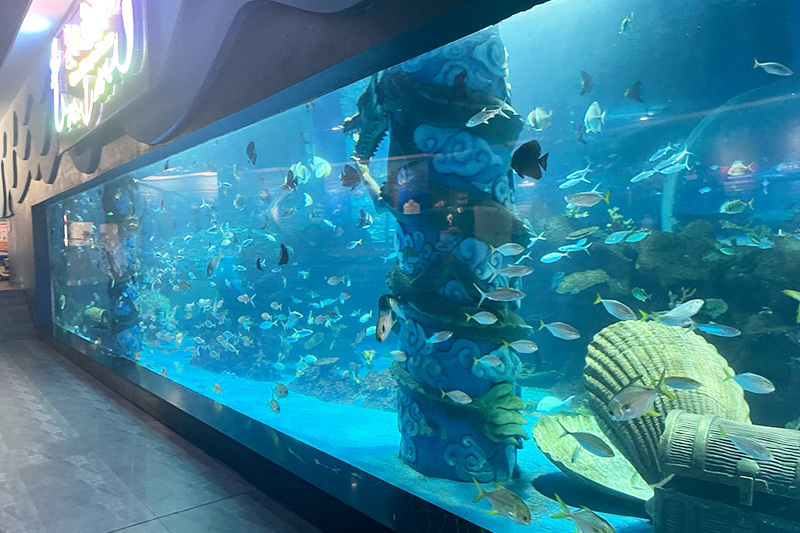
Acrylic fish tanks have emerged as a preferred choice in both commercial and hobbyist aquaculture settings, thanks to their numerous benefits over traditional glass tanks. One of the most notable advantages is the exceptional clarity that acrylic provides. With a light transmission rate of up to 92%, acrylic tanks allow for enhanced visibility, making it easier for aquarists to monitor their aquatic life and maintain optimal conditions.
Another significant benefit of acrylic fish tanks is their weight. Compared to glass, acrylic is substantially lighter, making it easier to handle and install. This is particularly advantageous for larger systems, where transport and setup can become cumbersome. The lightweight nature of acrylic also reduces the structural requirements for stands and supports, leading to more flexible design options for aquaculture facilities.
Durability is a key factor in the longevity of acrylic fish tanks. Acrylic is more impact-resistant than glass, which means it can withstand accidental bumps and falls without shattering. This characteristic is crucial in busy environments like fish farms, where equipment and personnel are constantly moving. Additionally, acrylic does not corrode or degrade as quickly as some materials when exposed to water and aquatic conditions, ensuring that your investment remains intact over time.
Acrylic fish tanks also offer superior insulation properties, which can help regulate water temperatures more effectively than glass tanks. In aquaculture, maintaining optimal water temperature is critical for the health and growth of fish and other aquatic species. By minimizing heat loss, acrylic tanks can create a more stable environment, reducing the energy costs associated with temperature control.
Moreover, the flexibility of acrylic allows for custom shapes and sizes, catering to specific aquatic species or farm designs. This customization can enhance the aesthetics of an aquaculture facility while promoting better living conditions for the fish. For instance, curved or uniquely shaped tanks can provide more surface area for oxygen exchange, benefiting aquatic life.
In conclusion, acrylic fish tanks present a myriad of advantages for aquaculture applications. Their clarity, lightweight nature, durability, and insulation properties make them an ideal choice for both commercial and hobbyist fish farming. As the aquaculture industry continues to evolve, investing in high-quality materials like acrylic can significantly impact the success and sustainability of aquatic farming practices.
Acrylic fish tank
Latest information


WhatsApp: 8615371043985
Add: CAI Xi Group, CAI Xiang Village, Jichuan Street, Taixing City, Jiangsu Province, China