


Acrylic Cylinders vs. Traditional Materials: Why Choose Acrylic for Your Agricultural Needs?
Acrylic Cylinders vs. Traditional Materials: Why Choose Acrylic for Your Agricultural Needs? Table of Contents Introduction to Acrylic Cylinders in Agriculture What Are Acrylic Cylinders? Benefits of Acrylic Cylinders in Agriculture Durability and Longevity Versatility in Applications Cost-Effectiveness Over Time Tradition
Release time:
2025-12-19
Acrylic Cylinders vs. Traditional Materials: Why Choose Acrylic for Your Agricultural Needs?
Table of Contents
- Introduction to Acrylic Cylinders in Agriculture
- What Are Acrylic Cylinders?
- Benefits of Acrylic Cylinders in Agriculture
- Traditional Materials: An Overview
- Limitations of Traditional Materials in Agriculture
- Acrylic vs. Traditional Materials: A Comparison
- Real-World Applications of Acrylic Cylinders
- Frequently Asked Questions
- Conclusion: The Future of Agricultural Equipment
Introduction to Acrylic Cylinders in Agriculture
In the ever-evolving world of agriculture and aquaculture, the materials used in farming equipment play a vital role in productivity and sustainability. Acrylic cylinders are emerging as a strong alternative to traditional materials such as glass, metal, and PVC. With advancements in manufacturing technologies and a deep understanding of material properties, acrylic has become a preferred choice for many agricultural applications. This article delves into the various advantages of acrylic over traditional materials to help you make an informed decision.
What Are Acrylic Cylinders?
Acrylic cylinders are cylindrical structures made from polymethyl methacrylate (PMMA), a transparent thermoplastic often referred to as acrylic glass. Due to its superior optical clarity, lightweight nature, and resistance to UV light, acrylic is widely used in various sectors, including agriculture, for a multitude of applications.
These cylinders come in various sizes and thicknesses, making them adaptable for numerous uses, from storage containers to components of hydroponic systems, allowing for efficient and effective agricultural practices.
Benefits of Acrylic Cylinders in Agriculture
Durability and Longevity
Acrylic cylinders offer exceptional durability compared to traditional materials. They are less prone to breaking and can withstand harsh environmental conditions. This robustness ensures that acrylic structures have a long lifespan, which is particularly essential in agricultural settings where equipment is often exposed to unpredictable weather. Unlike glass, which can shatter easily, acrylic is shatter-resistant, making it a safer option in farming environments.
Versatility in Applications
Acrylic cylinders are incredibly versatile and can be molded into various shapes and sizes, allowing them to serve multiple functions in farming and aquaculture. They are used in everything from irrigation systems and nutrient reservoirs in hydroponics to protective enclosures for sensitive plants. Their adaptability makes them a valuable asset for modern agricultural practices.
Cost-Effectiveness Over Time
Though the initial investment in acrylic cylinders may be slightly higher than traditional materials, they offer significant cost savings in the long run. Their longevity reduces the need for frequent replacements and maintenance, ensuring that farmers spend less over time. Furthermore, the energy efficiency provided by transparent acrylic allows for better light penetration in controlled environments, potentially increasing yield and minimizing operational costs.
Traditional Materials: An Overview
Traditional materials such as glass, metal, and PVC have been widely used in agricultural applications for decades. While they have served their purpose well, they come with a series of limitations that can hinder agricultural efficiency. Understanding these constraints is crucial for evaluating the benefits of acrylic cylinders.
Limitations of Traditional Materials in Agriculture
Weight Issues
Many traditional materials, especially glass and metals, are significantly heavier than acrylic. This increased weight can lead to higher transportation costs and complicate installation processes. In an agricultural setting where mobility and ease of use are essential, the lightweight nature of acrylic offers a clear advantage.
Corrosion and Degradation
Metals are prone to rust and corrosion when exposed to moisture and agricultural chemicals, requiring regular maintenance and replacement. On the other hand, acrylic does not corrode, providing a longer-lasting solution in agricultural environments where exposure to various elements is common.
Environmental Impact
The production and disposal of traditional materials can have negative environmental consequences. Many plastics and metals are not biodegradable and contribute to pollution. Acrylic, while still a plastic, can be recycled, offering a more sustainable option for environmentally conscious farmers looking to minimize their ecological footprint.
Acrylic vs. Traditional Materials: A Comparison
When comparing acrylic cylinders to traditional materials, several critical factors come into play. These include durability, versatility, weight, cost, and environmental considerations.
Acrylic cylinders outperform glass in terms of safety and weight, proving to be more practical for agricultural applications. While metals may offer strength, their susceptibility to corrosion makes them less favorable in wet agricultural settings. Additionally, the environmental impact of acrylic can be mitigated through recycling, a feature not commonly associated with traditional materials.
Real-World Applications of Acrylic Cylinders
Agricultural Uses
In agriculture, acrylic cylinders are utilized in various applications such as water storage tanks, hydroponic systems, and plant growth chambers. Their optical clarity allows for maximum sunlight penetration, enhancing photosynthesis and growth rates. Farmers across the globe are increasingly adopting acrylic technology to improve their yields and overall efficiency.
Aquaculture Applications
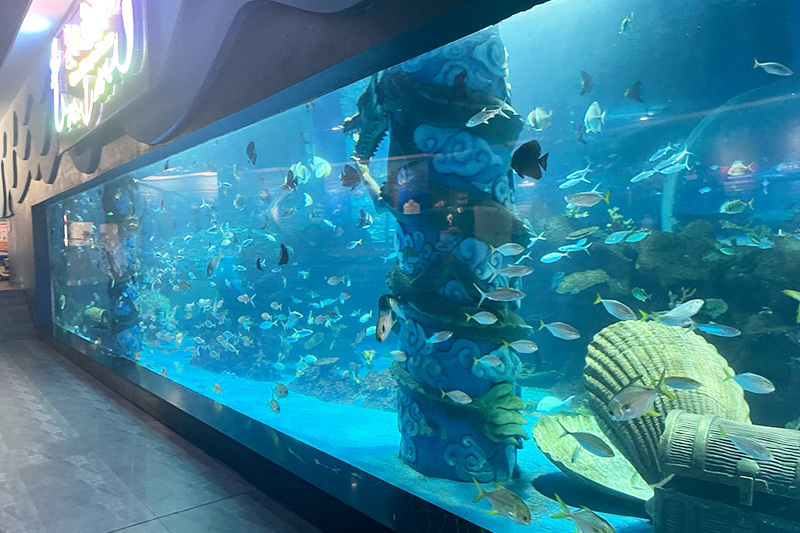
Acrylic cylinders are also used extensively in aquaculture, providing clear and durable environments for fish and aquatic plants. They are employed in filtration systems, feeding stations, and breeding tanks, ensuring optimal conditions for aquatic life while minimizing the risk of contamination or disease transmission.
Frequently Asked Questions
1. Are acrylic cylinders more expensive than traditional materials?
While the initial cost of acrylic cylinders may be slightly higher, their durability and longevity often result in lower long-term costs due to reduced maintenance and replacement needs.
2. Can acrylic withstand extreme temperatures?
Acrylic is resistant to a range of temperatures; however, it can become brittle in extremely cold conditions. It is essential to select the appropriate thickness and grade of acrylic for specific applications.
3. How do acrylic cylinders compare to glass in terms of safety?
Acrylic is much safer than glass because it is shatter-resistant, reducing the risk of injury from breakage, making it ideal for agricultural settings.
4. Is acrylic environmentally friendly?
Acrylic can be recycled, making it a more environmentally friendly option compared to traditional plastics and materials that are not biodegradable.
5. How should acrylic cylinders be cleaned and maintained?
Acrylic should be cleaned with a soft cloth and mild soap to avoid scratching. Avoid using harsh chemicals or abrasive materials that can damage the surface.
Conclusion: The Future of Agricultural Equipment
In conclusion, acrylic cylinders provide a modern and innovative solution to the limitations posed by traditional materials in agriculture and aquaculture. Their durability, versatility, cost-effectiveness, and eco-friendliness make them an ideal choice for farmers and aquaculture operators looking to enhance productivity and reduce environmental impact. As the agricultural industry continues to evolve, the adoption of materials like acrylic will play a crucial role in shaping sustainable farming practices for the future. Embracing this change can lead to improved yields, reduced costs, and a more efficient agricultural ecosystem.
Acrylic cylinder
Latest information


WhatsApp: 8615371043985
Add: CAI Xi Group, CAI Xiang Village, Jichuan Street, Taixing City, Jiangsu Province, China