


Exploring the Benefits of Acrylic Fish Tanks in Aquaculture
Acrylic fish tanks are a popular choice among aquaculture professionals for several reasons. First and foremost, acrylic is significantly lighter than glass, which makes transportation and installation much easier. This is particularly beneficial for large-scale operations where multiple tanks may be required. The lightweight nature of acrylic also means that the structural framework needed to sup
Release time:
2026-01-01
Acrylic fish tanks are a popular choice among aquaculture professionals for several reasons. First and foremost, acrylic is significantly lighter than glass, which makes transportation and installation much easier. This is particularly beneficial for large-scale operations where multiple tanks may be required. The lightweight nature of acrylic also means that the structural framework needed to support the tanks can be less robust, resulting in cost savings on both materials and installation labor.
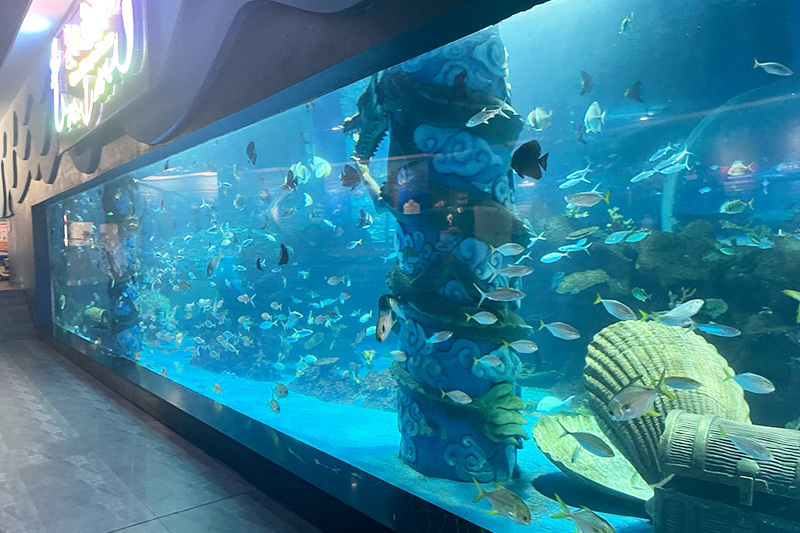
Another critical advantage of acrylic fish tanks is their superior clarity and optical properties. Acrylic can transmit up to 92% of visible light, providing excellent visibility for monitoring fish behavior and health. This clarity is essential for aquaculture facilities that need to observe their stock closely for signs of disease or stress. Moreover, acrylic is less prone to scratching compared to glass, which helps maintain its clarity over time, ensuring that operators can always keep an eye on their aquatic inhabitants.
Durability is another significant factor that makes acrylic tanks appealing. Acrylic is more resistant to impact than glass, reducing the risk of breakage during handling and operation. This durability is particularly relevant in environments where equipment may be moved or where there is high foot traffic. Additionally, acrylic can be easily repaired if scratched or damaged, often restoring it to like-new condition without the need for complete replacement.
Acrylic fish tanks also offer flexibility in design and configuration. They can be manufactured in various shapes and sizes, accommodating the specific needs of different species or system designs. This adaptability allows aquaculture facilities to create custom systems tailored to their operational goals and spatial constraints. Furthermore, acrylic can be molded into complex shapes, enabling innovative tank designs that optimize water flow and create ideal environments for fish.
Finally, when considering acrylic fish tanks, it is essential to factor in the potential for UV degradation. While acrylic is generally resistant to many chemicals and environmental conditions, prolonged exposure to UV light can weaken its structure. Therefore, incorporating UV-resistant additives during production or using protective coatings can ensure long-term performance in outdoor or well-lit settings.
In conclusion, acrylic fish tanks present numerous advantages for aquaculture professionals, ranging from lightweight construction and superior clarity to enhanced durability and design flexibility. By understanding these benefits and carefully considering their applications, aquaculture facilities can maximize their operational efficiency and create ideal environments for fish cultivation.
Acrylic fish tank
Latest information


WhatsApp: 8615371043985
Add: CAI Xi Group, CAI Xiang Village, Jichuan Street, Taixing City, Jiangsu Province, China