


Improving Fish Health in Aquaculture Through Acrylic Cylinder Systems
Improving Fish Health in Aquaculture Through Acrylic Cylinder Systems Table of Contents Introduction to Acrylic Cylinder Systems in Aquaculture The Importance of Fish Health in Aquaculture Understanding Acrylic Cylinder Systems Benefits of Acrylic Cylinder Systems for Fish Health Optimizing Water Quality in Aquaculture Reducing Stress in Fish with Acrylic Solutions Enhancing Biodive
Release time:
2026-01-02
Improving Fish Health in Aquaculture Through Acrylic Cylinder Systems
Table of Contents
- Introduction to Acrylic Cylinder Systems in Aquaculture
- The Importance of Fish Health in Aquaculture
- Understanding Acrylic Cylinder Systems
- Benefits of Acrylic Cylinder Systems for Fish Health
- Optimizing Water Quality in Aquaculture
- Reducing Stress in Fish with Acrylic Solutions
- Enhancing Biodiversity in Fish Farming
- Best Practices for Implementing Acrylic Cylinder Systems
- Future Trends in Aquaculture and Acrylic Technology
- Conclusion
- FAQs About Acrylic Cylinder Systems in Aquaculture
Introduction to Acrylic Cylinder Systems in Aquaculture
In the ever-evolving industry of aquaculture, the pursuit of healthier fish populations is paramount. Utilizing advanced technology such as **acrylic cylinder systems** has proven to be a game-changer in promoting fish health. These innovative systems provide a controlled environment that enhances fish welfare, improves water quality, and increases productivity.
As global demand for seafood continues to rise, aquaculture systems must adapt to meet these challenges. Acrylic cylinder systems offer a sustainable solution that not only supports fish health but also fosters efficient farming practices.
The Importance of Fish Health in Aquaculture
Healthy fish are the cornerstone of a successful aquaculture operation. They not only contribute to higher yields but also reduce costs associated with disease management and mortality. Fish health is influenced by various factors including **water quality**, **nutrition**, and environmental conditions. Poor water quality can lead to stress, disease outbreaks, and ultimately, significant economic losses.
Investing in systems that promote fish health is essential for aquaculture operators. By prioritizing the well-being of fish, farmers can ensure **sustainable practices** that benefit both the environment and business viability.
Understanding Acrylic Cylinder Systems
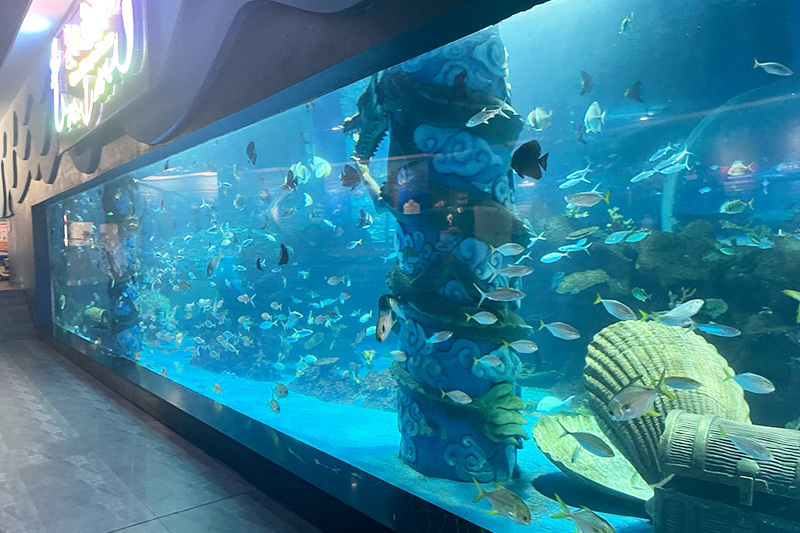
Acrylic cylinder systems are an innovative approach to aquaculture that utilizes transparent acrylic materials to create controlled environments for fish. These systems are designed to mimic natural habitats while providing optimal conditions for growth and development. The clear acrylic allows for easy monitoring of fish behavior and health, enabling farmers to make informed decisions.
The versatility of acrylic systems allows them to be used in various aquaculture settings, from **small-scale operations** to large commercial farms. Their durability and resistance to environmental stressors make them ideal for long-term use.
Benefits of Acrylic Cylinder Systems for Fish Health
Implementing acrylic cylinder systems in aquaculture offers numerous advantages that directly contribute to improved fish health.
1. Enhanced Water Quality Control
Acrylic cylinder systems facilitate better water quality management by allowing farmers to easily monitor and adjust parameters such as **pH**, **temperature**, and **dissolved oxygen levels**. Maintaining optimal water quality is crucial for preventing diseases and promoting healthy growth.
2. Disease Prevention and Management
The controlled environment of acrylic systems reduces the risk of disease transmission among fish. With improved water quality and reduced stress factors, the likelihood of outbreaks diminishes significantly. Early detection of health issues is also easier, allowing for prompt action.
3. Reduced Stress Levels
Stress is a significant factor affecting fish health and growth rates. Acrylic cylinder systems provide a stable environment that minimizes stressors, such as abrupt changes in temperature or water quality. This stability promotes healthy behavior, feeding patterns, and overall well-being.
4. Improved Feeding Efficiency
In acrylic systems, fish can be monitored closely, allowing for the development of tailored feeding strategies. By optimizing feed distribution and monitoring fish responses, farmers can increase feeding efficiency and reduce waste, ultimately leading to better growth rates.
5. Increased Survival Rates
The combination of enhanced water quality, reduced stress, and effective disease management leads to higher survival rates. Farmers utilizing acrylic cylinder systems often report significant improvements in fish mortality rates compared to traditional aquaculture methods.
Optimizing Water Quality in Aquaculture
Water quality is a critical factor influencing fish health. Acrylic cylinder systems enable precise control over water parameters, which is essential for creating an optimal environment.
Monitoring Key Water Parameters
Regular monitoring of key water parameters is vital. Farmers should focus on:
- **Temperature**: Maintaining a stable temperature range suitable for the species being farmed.
- **pH Levels**: Regular checks to ensure pH remains within optimal ranges for fish health.
- **Dissolved Oxygen**: Adequate oxygen levels are crucial for fish respiration and overall health.
Implementing Filtration and Aeration Systems
Integrating advanced filtration and aeration systems within acrylic cylinders can enhance water quality. These systems help remove harmful substances and ensure a consistent supply of oxygen, further promoting fish health.
Reducing Stress in Fish with Acrylic Solutions
Stress is a silent killer in aquaculture, often leading to decreased growth rates and increased susceptibility to diseases. Acrylic cylinder systems help mitigate stress through several mechanisms.
Stable Environmental Conditions
By maintaining stable environmental conditions, acrylic systems reduce the likelihood of stressors that fish encounter in traditional farming setups. This stability allows fish to thrive, leading to better growth and health outcomes.
Reduced Interaction with Predators
Acrylic cylinders can be designed to provide a safe space for fish, minimizing their exposure to potential predators. This protective environment allows fish to focus on growth and development without the constant threat of predation.
Enhancing Biodiversity in Fish Farming
Biodiversity is essential for a resilient aquaculture system. Acrylic cylinder systems promote biodiversity through their adaptable design, allowing for the integrated farming of multiple species.
Creating Multi-Species Environments
Farmers can utilize acrylic systems to create environments conducive to different fish species cohabitating. This not only maximizes space utilization but also enhances the overall ecosystem health.
Supporting Aquatic Plant Life
Integrating aquatic plants within acrylic systems can further enhance biodiversity. Plants contribute to water quality improvement and offer natural hiding spots for juvenile fish to reduce stress.
Best Practices for Implementing Acrylic Cylinder Systems
To reap the full benefits of acrylic cylinder systems, farmers should adhere to best practices during implementation.
1. Conducting Regular Maintenance
Routine maintenance of acrylic systems is crucial for ensuring longevity and optimal performance. Regular checks for cracks, leaks, and cleanliness will prevent potential disruptions.
2. Training Staff
Proper training for staff on the operation and monitoring of acrylic cylinder systems is essential. Knowledgeable staff can quickly identify issues and make necessary adjustments, ensuring the health of the fish.
3. Utilizing Advanced Technology
Incorporating technology such as automated monitoring systems can enhance efficiency. These systems provide real-time data on water quality and fish behavior, allowing for timely interventions.
Future Trends in Aquaculture and Acrylic Technology
The aquaculture industry is poised for significant advancements, and acrylic technology will play a key role. Emerging trends include:
1. Automation and Smart Systems
The integration of AI and machine learning in aquaculture can streamline monitoring and management processes, further improving fish health and farm efficiency.
2. Sustainable Practices
As environmental concerns grow, the shift towards sustainable aquaculture practices will continue. Acrylic cylinder systems align well with these trends by promoting resource efficiency and reducing waste.
Conclusion
Acrylic cylinder systems represent a transformative approach to enhancing fish health in aquaculture. By offering improved water quality control, reducing stress, and promoting biodiversity, these systems provide a sustainable solution for modern fish farming.
As the demand for seafood continues to rise, adapting innovative technologies like acrylic cylinders will be essential for fostering healthy fish populations and ensuring the sustainability of aquaculture. Embracing these advancements not only benefits individual farmers but also supports the broader goal of responsible and sustainable food production.
FAQs About Acrylic Cylinder Systems in Aquaculture
1. What are acrylic cylinder systems in aquaculture?
Acrylic cylinder systems are transparent, durable structures designed to create controlled environments for fish farming, enhancing water quality and fish health.
2. How do acrylic cylinder systems improve fish health?
They improve fish health by providing stable environmental conditions, reducing stress, and facilitating better water quality management.
3. Can acrylic cylinder systems be used for different fish species?
Yes, these systems are versatile and can support the integrated farming of multiple fish species, enhancing biodiversity.
4. What maintenance is required for acrylic cylinder systems?
Regular maintenance includes checking for cracks, cleaning the surfaces, and monitoring water quality parameters.
5. Are acrylic cylinder systems cost-effective for aquaculture?
While the initial investment may be higher, the long-term benefits of improved fish health and productivity often lead to greater profitability.
Acrylic cylinder
Latest information


WhatsApp: 8615371043985
Add: CAI Xi Group, CAI Xiang Village, Jichuan Street, Taixing City, Jiangsu Province, China