


The Versatile Applications of Acrylic Cylinders in Aquaculture
Acrylic cylinders are increasingly recognized for their versatility and effectiveness in various sectors, particularly within the agricultural and aquaculture industries. Their unique properties make them an ideal choice for creating structures that promote a healthy environment for aquatic life. One of the primary benefits of acrylic cylinders is their excellent clarity. Unlike traditional mater
Release time:
2026-01-07
Acrylic cylinders are increasingly recognized for their versatility and effectiveness in various sectors, particularly within the agricultural and aquaculture industries. Their unique properties make them an ideal choice for creating structures that promote a healthy environment for aquatic life.
One of the primary benefits of acrylic cylinders is their excellent clarity. Unlike traditional materials, acrylic offers superior transparency, allowing for maximum light penetration. This characteristic is crucial in aquaculture systems, as it facilitates photosynthesis for aquatic plants and organisms, enhancing the overall ecosystem's efficiency. In turn, this can lead to improved growth rates for fish and crustaceans, making acrylic cylinders a valuable tool in facility agriculture.
Durability is another significant advantage of acrylic. Resistant to breakage and weathering, acrylic cylinders can withstand harsh environmental conditions often present in aquaculture settings. This durability contributes to lower maintenance costs and longer lifespan compared to glass or other materials. Additionally, acrylic is lightweight, making installation and transportation more manageable, which is essential for farmers managing large-scale operations.
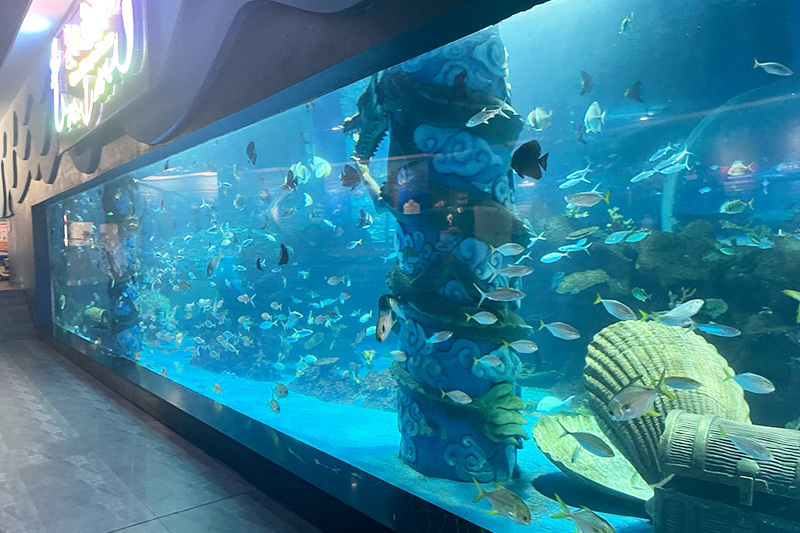
Moreover, acrylic cylinders can be customized in size and shape, allowing for tailored solutions to meet specific operational requirements. Whether creating tanks for breeding, nurseries for young fish, or display systems for aquaponics, the flexibility in design ensures that farmers can achieve optimal layouts for their aquaculture systems. This adaptability not only enhances usability but also promotes aesthetic appeal, which can be beneficial in attracting customers in commercial settings.
In terms of water quality management, acrylic cylinders can be integrated with various filtration systems to maintain optimal conditions for aquatic life. The smooth surfaces of acrylic are less prone to algae growth compared to other materials, leading to easier cleaning and maintenance. This feature is particularly beneficial in high-density farming systems, where maintaining water quality is critical for the health of aquatic species.
Furthermore, acrylic cylinders can be used in research and educational settings within aquaculture. Their visibility allows for easy observation of fish behavior, growth patterns, and other critical data, making them an effective tool for scientists and educators aiming to understand aquatic ecosystems better.
In summary, acrylic cylinders are transforming the landscape of aquaculture by providing a combination of clarity, durability, and customization. Their applications in the agricultural food sector not only enhance the efficiency of farming practices but also support the sustainable growth of aquatic life. By considering the incorporation of acrylic cylinders into your operations, you can improve overall productivity and ensure a healthier environment for your aquatic species.
Acrylic cylinder
Latest information


WhatsApp: 8615371043985
Add: CAI Xi Group, CAI Xiang Village, Jichuan Street, Taixing City, Jiangsu Province, China