


The Environmental Impact of Acrylic Tunnels Compared to Other Materials
The Environmental Impact of Acrylic Tunnels Compared to Other Materials Table of Contents Introduction to Acrylic Tunnels and Their Uses Comparative Analysis: Acrylic vs. Other Materials Sustainability Aspects of Acrylic Tunnels Lifecycle Assessment of Acrylic Tunnels Environmental Impact of Acrylic vs. Other Materials Recycling and Disposal Options for Acrylic Tunnels
Release time:
2026-01-08
The Environmental Impact of Acrylic Tunnels Compared to Other Materials
Table of Contents
- Introduction to Acrylic Tunnels and Their Uses
- Comparative Analysis: Acrylic vs. Other Materials
- Sustainability Aspects of Acrylic Tunnels
- Lifecycle Assessment of Acrylic Tunnels
- Environmental Impact of Acrylic vs. Other Materials
- Recycling and Disposal Options for Acrylic Tunnels
- Case Studies: Real-World Applications
- Future Trends in Acrylic Tunnel Development
- Frequently Asked Questions
- Conclusion
Introduction to Acrylic Tunnels and Their Uses
Acrylic tunnels, crafted from a type of transparent plastic known for its clarity and durability, are increasingly utilized in various industries. From agriculture to architecture, these structures offer unique advantages, particularly in situations requiring lightweight yet robust materials. Acrylic's versatility makes it an appealing choice for applications ranging from greenhouse covers to art installations. However, as the global focus shifts toward sustainability, evaluating the environmental impact of acrylic tunnels compared to alternative materials becomes crucial.
Comparative Analysis: Acrylic vs. Other Materials
To understand the environmental implications of using acrylic tunnels, we must compare them with other materials commonly used for similar applications, such as polycarbonate, glass, and PVC. Each material has unique properties that affect its environmental footprint.
Acrylic vs. Polycarbonate
Polycarbonate is another plastic material known for its strength and heat resistance. While both acrylic and polycarbonate are lightweight and shatter-resistant, polycarbonate tends to be more expensive and less scratch-resistant than acrylic. However, polycarbonate has a higher impact resistance, making it suitable for high-stress applications.
Acrylic vs. Glass
Glass, while aesthetically pleasing and highly durable, comes with significant weight and fragility issues. Although it is fully recyclable, the energy required for production and transportation can be considerable. Acrylic, being lighter and offering better insulation properties, provides a viable alternative in many scenarios.
Acrylic vs. PVC
PVC (polyvinyl chloride) is a widely used plastic available in various forms. While PVC is less costly, its production involves toxic chemicals that pose environmental risks. Acrylic, being free from these harmful compounds, presents a more eco-friendly option, particularly in applications where human exposure is a concern.
Sustainability Aspects of Acrylic Tunnels
Sustainability is a multifaceted concept that encompasses resource use, energy consumption, and end-of-life treatment. Acrylic tunnels, while not entirely devoid of environmental concerns, offer several sustainability advantages.
Low Resource Consumption
The production of acrylic requires fewer raw materials than glass. Additionally, the lightweight nature of acrylic reduces transportation emissions, contributing to its lower overall carbon footprint.
Energy Efficiency
Acrylic has better insulation properties compared to glass, which can lead to energy savings in heating and cooling applications. This energy efficiency can significantly reduce the operational costs and environmental impact of facilities utilizing acrylic tunnels.
Lifecycle Assessment of Acrylic Tunnels
Conducting a lifecycle assessment (LCA) provides insights into the environmental impact of acrylic tunnels from production to disposal.
Production Stage
The production of acrylic involves polymerization processes that consume energy and resources. However, advancements in manufacturing technologies are steadily improving efficiency and reducing waste.
Usage Stage
During their lifespan, acrylic tunnels require minimal maintenance and have a long service life, which reduces the frequency of replacements. This durability contributes positively to their overall sustainability.
End-of-Life and Disposal
At the end of their lifespan, acrylic tunnels can be recycled. However, recycling rates for acrylic are currently lower than those for other materials like glass and aluminum, pointing to an area needing improvement.
Environmental Impact of Acrylic vs. Other Materials
When evaluating the environmental impact of acrylic tunnels, it is essential to consider various factors, including carbon emissions, resource use, and pollution.
Carbon Footprint
Research indicates that the carbon footprint of acrylic tunnels can be lower than that of glass and PVC counterparts. This is primarily due to their lightweight nature and energy-efficient properties.
Resource Depletion
Acrylic's production process is less resource-intensive compared to glass, which requires significant energy for melting and shaping. The reduced resource depletion associated with acrylic is a compelling reason for its growing popularity.
Recycling and Disposal Options for Acrylic Tunnels
While acrylic tunnels are durable, their end-of-life management is critical for minimizing environmental impact.
Recycling Challenges
One of the significant challenges with acrylic recycling is the lack of established infrastructure. Increasing awareness and developing efficient recycling programs are crucial for enhancing the circular economy of acrylic materials.
Innovative Recycling Solutions
Recent advancements in recycling technology are paving the way for more effective recycling processes for acrylic. Initiatives promoting the use of recycled acrylic in new products are emerging, reducing the need for virgin materials.
Case Studies: Real-World Applications
Analyzing real-world applications provides valuable insights into how acrylic tunnels outperform other materials in specific contexts.
Agricultural Applications
In agriculture, acrylic tunnels are frequently used for greenhouses, providing excellent light transmission while protecting plants from harsh weather. Studies show that farms utilizing acrylic tunnels achieve higher yields compared to those using traditional materials.
Architectural Installations
Architects are increasingly opting for acrylic tunnels in modern designs due to their aesthetic appeal and versatility. Projects incorporating acrylic elements often exhibit innovative designs while also being environmentally conscious.
Future Trends in Acrylic Tunnel Development
The future of acrylic tunnels looks promising, driven by advancements in material science and increasing environmental consciousness.
Biodegradable Alternatives
Research is underway to develop biodegradable acrylic materials that retain the advantageous properties of traditional acrylic while reducing environmental impact. These innovations could reshape industry standards in the coming years.
Smart Tunneling Technologies
Integrating smart technologies into acrylic tunnels, such as sensors for monitoring environmental conditions, will enhance their functionality and sustainability. This trend aligns with the growing demand for smart agricultural and architectural solutions.
Frequently Asked Questions
1. Are acrylic tunnels recyclable?
Yes, acrylic tunnels can be recycled, but the recycling infrastructure is still developing. Efforts are being made to enhance recycling rates.
2. How do acrylic tunnels compare to glass in terms of environmental impact?
Acrylic tunnels generally have a lower environmental impact than glass due to their lightweight nature and better energy efficiency in applications.
3. What are the advantages of using acrylic over PVC?
Acrylic is free from harmful chemicals found in PVC, making it a more environmentally friendly choice. It also offers better clarity and durability.
4. What are the challenges in recycling acrylic tunnels?
The main challenges include limited recycling facilities and lower awareness about the recyclability of acrylic materials.
5. What future developments can we expect in acrylic tunnel technology?
Future developments may include biodegradable acrylic options and the integration of smart technologies to enhance functionality and sustainability.
Conclusion
In conclusion, the environmental impact of acrylic tunnels compared to other materials reveals a complex landscape of sustainability considerations. While acrylic offers several advantages, including lower resource consumption and energy efficiency, challenges such as recycling rates and end-of-life management remain critical issues. As industries increasingly seek sustainable solutions, the continuous evolution of acrylic technology and innovative recycling methods will be pivotal in shaping its future. By understanding these dynamics, manufacturers, architects, and farmers can make informed choices that benefit both their operations and the environment.
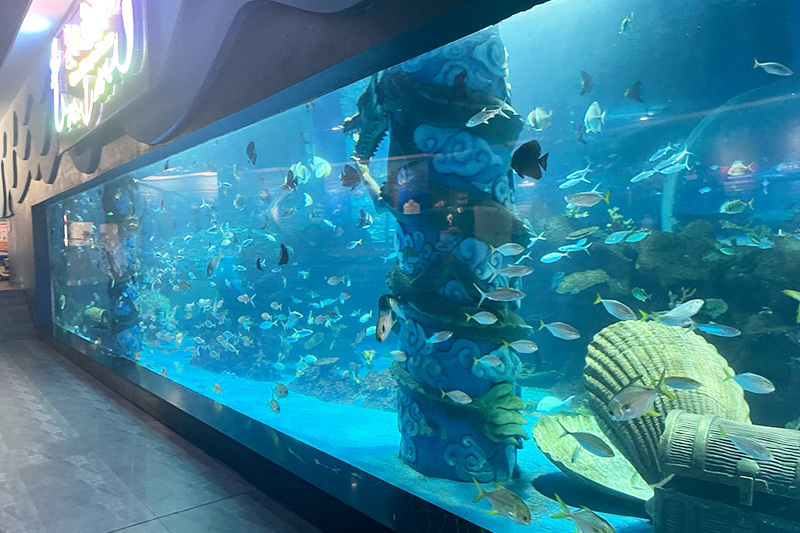
Acrylic tunnel
Latest information


WhatsApp: 8615371043985
Add: CAI Xi Group, CAI Xiang Village, Jichuan Street, Taixing City, Jiangsu Province, China