


How to Prevent Algae Growth in Your Acrylic Fish Tank: Effective Strategies for Crystal Clear Water
How to Prevent Algae Growth in Your Acrylic Fish Tank Understanding Algae Growth in Acrylic Fish Tanks Algae are natural organisms that thrive in aquatic environments, including your acrylic fish tank. While a small amount of algae can be beneficial, excessive growth can lead to unsightly tank conditions that impact the health of your fish and plants. Understanding the factors that contribute to a
Release time:
2026-04-08
How to Prevent Algae Growth in Your Acrylic Fish Tank
Understanding Algae Growth in Acrylic Fish Tanks
Algae are natural organisms that thrive in aquatic environments, including your acrylic fish tank. While a small amount of algae can be beneficial, excessive growth can lead to unsightly tank conditions that impact the health of your fish and plants. Understanding the factors that contribute to algae proliferation is crucial for effective management.
The Science Behind Algae Growth
Algae flourish in environments with ample light and nutrients. They utilize photosynthesis to convert light into energy, leading to rapid growth under the right conditions. Key factors influencing algae growth include:
- **Light Exposure**: Excessive light can trigger algae blooms.
- **Nutrient Levels**: High levels of nitrates and phosphates provide a feast for algae.
- **Water Quality**: Poor filtration and water circulation can create stagnant zones conducive to algae growth.
Types of Algae Commonly Found in Acrylic Tanks
Different types of algae can invade your fish tank, including:
- **Green Algae**: Often appears as green spots or blooms and is the most common type.
- **Brown Algae**: Usually found on tank surfaces, it thrives in low-light conditions.
- **Blue-Green Algae (Cyanobacteria)**: This type can be harmful, often creating a thick, dark layer on surfaces.
Effective Strategies to Prevent Algae Growth
Preventing algae growth requires a multi-faceted approach. Here, we outline several effective strategies to help maintain a healthy aquatic environment.
1. Control Light Exposure
Limiting the amount of light your fish tank receives is one of the most effective ways to reduce algae growth.
Optimal Lighting Duration
Aim for **8 to 10 hours** of light per day. Use a timer to automate lighting schedules, ensuring consistency.
Choose the Right Lighting
LED lights with a spectrum designed for aquariums can minimize algae growth by reducing unwanted wavelengths that promote algae proliferation.
2. Monitor Nutrient Levels
Maintaining balanced nutrient levels is crucial in preventing algae blooms. Regular testing and adjustments are essential.
Regular Water Testing
Use a reliable water testing kit to monitor **nitrate** and **phosphate** levels. Aim to keep nitrates below **10 ppm** and phosphates below **0.5 ppm**.
Nutrient Management
Incorporate live plants to naturally absorb excess nutrients. Regular water changes can also help dilute high nutrient concentrations.
3. Implement a Robust Filtration System
A high-quality filtration system is vital for maintaining water clarity and quality.
Types of Filtration Systems
Consider using a combination of mechanical, biological, and chemical filtration systems to effectively remove debris, toxins, and nutrients that contribute to algae growth.
Regular Maintenance of Filter Media
Clean or replace filter media regularly to ensure optimal function and prevent the accumulation of waste.
4. Establish Proper Water Circulation
Adequate water movement prevents stagnation, which can lead to localized algae growth.
Placement of Equipment
Strategically position water pumps and filters to create water flow throughout the tank, minimizing dead spots.
Utilize Air Stones
Air stones can enhance water circulation and oxygenation, further deterring algae growth.
5. Introduce Algae-Eating Species
Certain fish and invertebrates can help manage algae levels naturally.
Compatible Algae Eaters
Consider adding species like **Otocinclus**, **Siamese algae eaters**, or **snails** such as **Nerites**. These species can help keep algae in check without harming your tank's ecosystem.
6. Regular Cleaning and Maintenance
Routine maintenance is essential to prevent algae growth.
Weekly Cleaning Schedule
Perform partial water changes (about **20%** weekly) and clean the tank surfaces with a soft sponge to remove any algae buildup.
Tank Accessories Maintenance
Regularly clean decorations and substrate, as these can accumulate organic debris that contributes to algae growth.
Common Mistakes That Promote Algae Growth
Avoid these common pitfalls that can lead to excessive algae development in your acrylic fish tank.
Overfeeding Fish
Feeding your fish more than they can consume leads to excess waste and decomposing food, raising nutrient levels.
Neglecting Water Changes
Infrequent water changes can allow nutrient levels to rise unchecked, creating a perfect environment for algae.
Ignoring Water Parameters
Failing to monitor water parameters can leave you unaware of imbalances that promote algae growth.
Frequently Asked Questions (FAQs)
1. How often should I perform water changes in my acrylic fish tank?
We recommend performing a **20% water change weekly** to maintain optimal water quality and nutrient levels.
2. Can I use chemicals to control algae growth?
While there are chemical treatments available, we recommend focusing on natural methods first, as they are less likely to impact the health of your fish and plants.
3. Is it normal to have a small amount of algae in my tank?
Yes, a small amount of algae is normal and can be a sign of a healthy ecosystem. It becomes a problem when it grows excessively.
4. Will live plants help reduce algae growth?
Absolutely! Live plants compete with algae for nutrients and light, helping to keep their growth in check.
5. What should I do if I notice a sudden algae bloom?
If you experience a sudden bloom, reduce lighting, perform a water change, and test nutrient levels. Consider adding more live plants or algae-eating species.
Conclusion
Preventing algae growth in your acrylic fish tank is essential for maintaining a thriving aquatic environment. By controlling light exposure, monitoring nutrient levels, implementing a robust filtration system, ensuring proper circulation, introducing algae-eating species, and adhering to a regular cleaning schedule, you can effectively manage algae and create a vibrant habitat for your fish. Employing these strategies will help ensure your acrylic fish tank remains a beautiful and healthy ecosystem, free from unsightly algae growth. Remember, consistent care and attention are the keys to success in aquarium management.
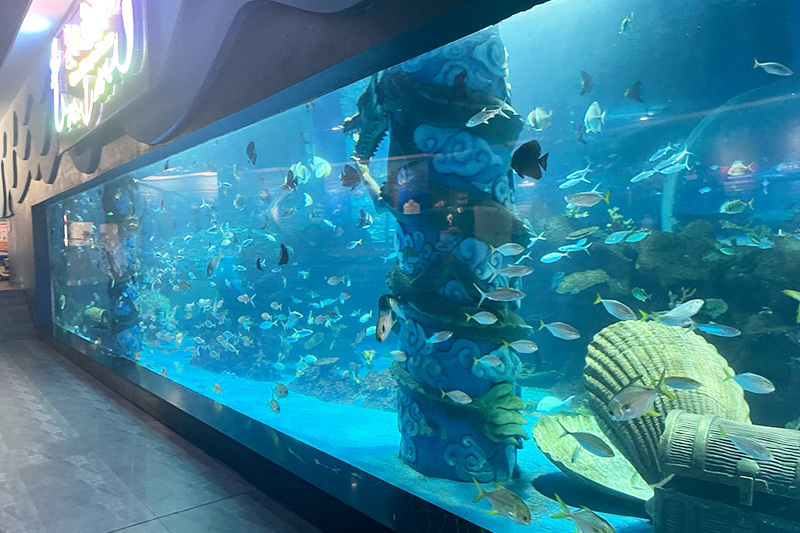
Acrylic fish tank
Latest information


WhatsApp: 8615371043985
Add: CAI Xi Group, CAI Xiang Village, Jichuan Street, Taixing City, Jiangsu Province, China