


Exploring the Versatility of Acrylic Cylinders in Aquaculture and Agricultural Applications
Acrylic cylinders are transparent, durable, and lightweight structures made from acrylic resin. Their optical clarity allows for easy visibility of the contents, making them ideal for applications in both aquaculture and agriculture. In aquaculture, these cylinders can serve as tanks for breeding and raising aquatic organisms. The ability to monitor water conditions and fish behavior through the t
Release time:
2026-04-11
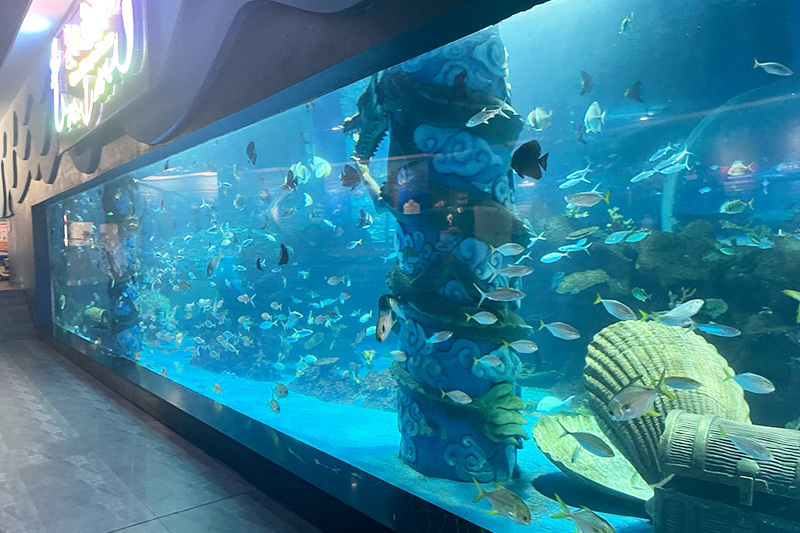
Acrylic cylinders are transparent, durable, and lightweight structures made from acrylic resin. Their optical clarity allows for easy visibility of the contents, making them ideal for applications in both aquaculture and agriculture. In aquaculture, these cylinders can serve as tanks for breeding and raising aquatic organisms. The ability to monitor water conditions and fish behavior through the transparent walls is invaluable for ensuring a healthy environment.
Furthermore, the lightweight nature of acrylic cylinders simplifies transportation and installation, making them a practical solution for aquaculture farms. They can be easily moved to different locations as needed, facilitating flexible farm layouts and operations. Acrylic’s resistance to UV radiation and weathering also ensures longevity, reducing the need for frequent replacements and maintenance.
In agricultural settings, acrylic cylinders can be used for a variety of purposes. They are often employed in hydroponic systems as growth chambers for plants. The controlled environment provided by these cylinders can optimize growth conditions, leading to higher yields and healthier crops. Their clear structure allows for monitoring plant health and growth progress without disrupting the environment.
Additionally, acrylic cylinders can serve as reservoirs for nutrient solutions in hydroponic agriculture. Their ability to hold liquids securely while remaining visible ensures that farmers can efficiently manage nutrient levels and make timely adjustments as needed. This is crucial for maintaining the optimal health of crops and maximizing productivity.
However, while acrylic cylinders have numerous benefits, it is essential to consider their limitations. They may not withstand extreme temperatures or physical impacts as well as other materials, such as glass or metal. Therefore, when selecting acrylic cylinders for aquaculture or agricultural applications, it is important to assess your specific needs and environmental conditions.
In conclusion, acrylic cylinders present a versatile option for various applications in aquaculture and agriculture. Their transparency, lightweight nature, and resistance to environmental factors make them an attractive choice for enhancing productivity and operational efficiency. By understanding the benefits and limitations of acrylic cylinders, you can make informed decisions that align with your agricultural or aquacultural goals.
Acrylic cylinder
Previous Page
Latest information


WhatsApp: 8615371043985
Add: CAI Xi Group, CAI Xiang Village, Jichuan Street, Taixing City, Jiangsu Province, China