


Enhancing Aquaculture with Acrylic Fish Tanks: A Comprehensive Guide
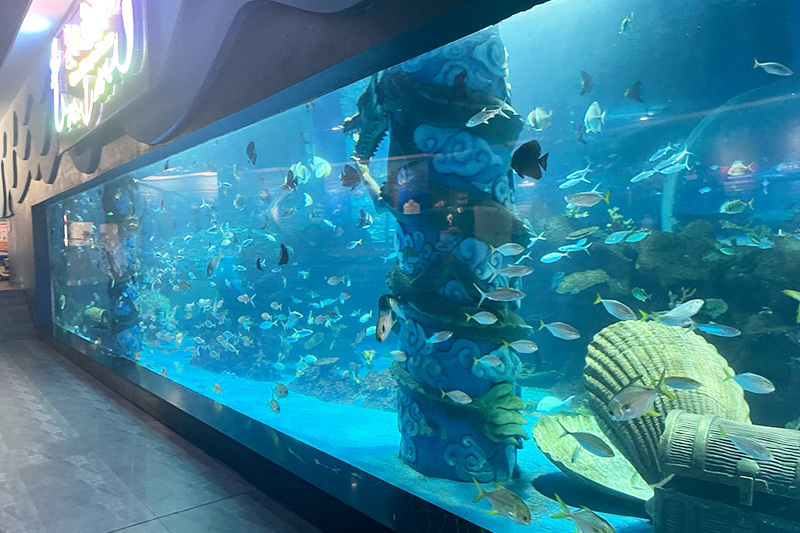
Acrylic fish tanks are increasingly favored in the field of aquaculture due to their lightweight, durable nature and excellent clarity. Made from polymethyl methacrylate (PMMA), these tanks are significantly stronger than glass, making them less prone to breakage. This durability is essential in a farming environment where the tanks may be subject to pressure from water, fish movement, and externa
Release time:
2026-04-23
Acrylic fish tanks are increasingly favored in the field of aquaculture due to their lightweight, durable nature and excellent clarity. Made from polymethyl methacrylate (PMMA), these tanks are significantly stronger than glass, making them less prone to breakage. This durability is essential in a farming environment where the tanks may be subject to pressure from water, fish movement, and external factors.
One of the most notable benefits of acrylic fish tanks is their optical clarity. They allow for nearly 92% light transmission, which is crucial for photosynthetic organisms and aquatic plants within the tank. This transparency not only enhances the aesthetic appeal of the setup but also provides better visibility for monitoring fish behavior and health. Additionally, the smooth surface of acrylic tanks minimizes algae buildup, making cleaning easier and less time-consuming.
When it comes to size and customization, acrylic fish tanks offer unparalleled flexibility. They can be manufactured in various shapes and sizes, allowing for tailored solutions to fit specific aquaculture needs. This customization is particularly beneficial for breeding programs, where different species may require unique tank dimensions and environments. Furthermore, acrylic can be easily cut and shaped, enabling the integration of filtration systems, water circulation devices, and other essential equipment seamlessly.
In terms of maintenance, acrylic fish tanks do require some care to keep them in optimal condition. It is essential to use non-abrasive cleaning materials to avoid scratching the surface. Regular cleaning schedules will help prevent algae growth and maintain the tank's clarity. Additionally, monitoring water quality and temperature is crucial for the well-being of the aquatic life within these tanks.
Acrylic fish tanks also contribute to energy efficiency in an aquaculture setup. The material has better insulation properties than glass, which helps reduce heating and cooling costs. This can translate into significant savings over time, especially in larger operations where multiple tanks are in use.
In conclusion, acrylic fish tanks present a viable solution for those involved in aquaculture. Their durability, clarity, and customization options make them an excellent choice for both small and large-scale operations. By understanding how to maintain and utilize these tanks effectively, aquaculture practitioners can enhance their productivity and ensure the health of their aquatic life, paving the way for a successful farming venture.
Acrylic fish tank
Latest information


WhatsApp: 8615371043985
Add: CAI Xi Group, CAI Xiang Village, Jichuan Street, Taixing City, Jiangsu Province, China