


Transforming Your Farm with Innovative Acrylic Cylinder Applications
Transforming Your Farm with Innovative Acrylic Cylinder Applications Understanding Acrylic Cylinder Technology in Agriculture In recent years, **acrylic cylinder technology** has emerged as a transformative tool in the agricultural sector. Unlike traditional materials, acrylic offers superior clarity, durability, and a wide range of applications. Farmers and agricultural professionals are increasi
Release time:
2026-04-26
Transforming Your Farm with Innovative Acrylic Cylinder Applications
Understanding Acrylic Cylinder Technology in Agriculture
In recent years, **acrylic cylinder technology** has emerged as a transformative tool in the agricultural sector. Unlike traditional materials, acrylic offers superior clarity, durability, and a wide range of applications. Farmers and agricultural professionals are increasingly utilizing acrylic cylinders to improve efficiency, enhance crop growth, and optimize resources.
Benefits of Acrylic Cylinders in Modern Agriculture
1. Enhanced Light Transmission and Growth Rates
One of the most significant benefits of using acrylic cylinders is their ability to allow **maximum light transmission**. This characteristic is crucial for plant growth, as it ensures that crops receive adequate sunlight, even in controlled environments such as greenhouses. Higher light levels can lead to increased photosynthesis, ultimately resulting in faster growth rates and higher yields.
2. Superior Insulation Properties
Acrylic cylinders exhibit excellent **thermal insulation properties**. This feature helps maintain optimal growing conditions in greenhouses and other agricultural settings. By reducing heat loss and maintaining a stable temperature, acrylic structures can provide an ideal environment for plant growth, irrespective of external weather conditions.
3. Lightweight and Durable Design
The lightweight nature of acrylic makes it easier to handle and install compared to traditional materials like glass. Furthermore, acrylic is resistant to shattering and impacts, ensuring longevity and reducing the risk of damage during handling or extreme weather events.
4. UV Resistance for Prolonged Use
Acrylic materials are inherently resistant to UV radiation. This feature prevents yellowing and degradation over time, ensuring that acrylic cylinders maintain their clarity and strength. This longevity makes them an excellent investment for farmers looking to innovate and modernize their operations.
Applications of Acrylic Cylinders in Agriculture
1. Greenhouse Construction
Acrylic cylinders can be utilized in greenhouse construction, providing a transparent barrier that maximizes light intake. By incorporating acrylic panels in greenhouse designs, farmers can create a controlled environment that promotes optimal growth conditions while minimizing energy costs.
Types of Acrylic Greenhouses
- **Freestanding Greenhouses:** These structures can be built entirely using acrylic panels, offering excellent visibility and light transmission.
- **Attached Greenhouses:** Farmers can add acrylic panels to existing buildings, creating an efficient growing space without extensive renovations.
2. Hydroponic and Aquaponic Systems
Acrylic cylinders play a crucial role in **hydroponic and aquaponic systems**. They can be used to build water reservoirs, nutrient delivery systems, and even grow tubes that facilitate the cultivation of plants without soil.
Advantages of Acrylic in Hydroponics
- **Visibility:** Clear acrylic allows farmers to monitor the roots and water levels easily.
- **Customization:** Acrylic can be molded into various shapes and sizes, making it adaptable to different hydroponic designs.
3. Aquaculture Solutions
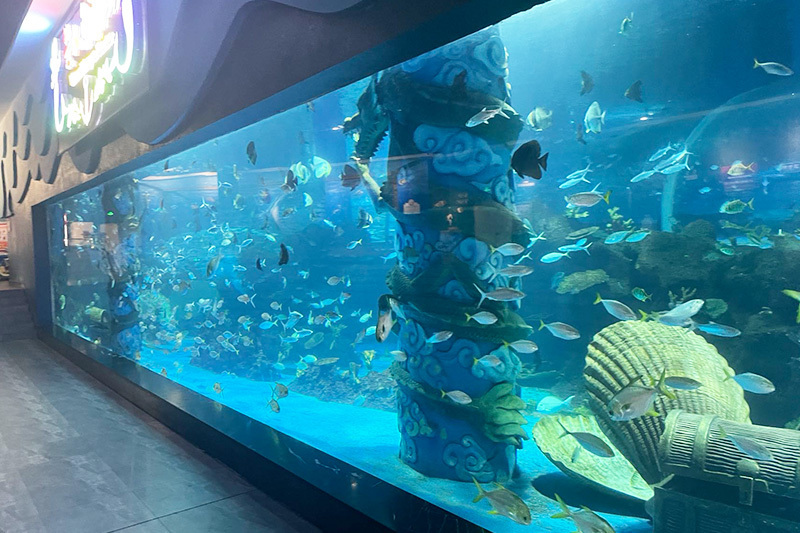
In aquaculture, acrylic cylinders can be used for fish breeding and rearing. Their transparency allows for easy observation of fish health and behavior, which is vital for successful aquaculture practices.
Benefits of Acrylic in Aquaculture
- **Health Monitoring:** Farmers can easily spot signs of disease or stress in fish populations.
- **Durability:** Acrylic tanks resist algae growth and are easy to clean, promoting a healthy environment for aquatic life.
Implementing Acrylic Cylinder Solutions in Your Farm
1. Assessing Your Needs
Before investing in acrylic cylinder solutions, it's essential to assess your specific agricultural needs. Consider factors such as the type of crops you grow, your farming environment, and your budget. This evaluation will help you determine the best applications for acrylic technology in your operation.
2. Sourcing Quality Acrylic Products
Finding high-quality acrylic products is crucial for ensuring the longevity and effectiveness of your investment. Look for suppliers who specialize in agricultural solutions and offer a warranty on their products.
3. Installation and Maintenance
Proper installation and maintenance of acrylic cylinders are key to maximizing their benefits. Work with professionals who have experience in agricultural installations to ensure that your systems are set up correctly. Additionally, establish a regular maintenance schedule to keep your acrylic structures clean and functional.
Future Trends in Acrylic Cylinder Technology
As technology continues to evolve, the use of acrylic cylinders in agriculture is expected to expand. Innovations such as **smart sensors** and automated systems integrated with acrylic applications will further enhance farming efficiency and sustainability.
1. Smart Agriculture Integration
The fusion of acrylic technology with smart agriculture tools, such as sensors that monitor environmental conditions, will enable farmers to make data-driven decisions. This integration will lead to more precise resource allocation and better crop management.
2. Sustainability Initiatives
With growing concerns about sustainability, the agricultural industry is increasingly looking for eco-friendly solutions. Acrylic cylinders, being recyclable, can contribute to **sustainable farming practices**, enabling farmers to reduce their environmental footprint.
FAQs About Acrylic Cylinder Applications in Agriculture
1. What are acrylic cylinders made of?
Acrylic cylinders are made from polymethyl methacrylate (PMMA), a transparent thermoplastic known for its clarity and durability.
2. How do acrylic cylinders compare to glass?
Acrylic cylinders are lighter, more impact-resistant, and offer better insulation properties compared to glass, making them a preferred choice for agricultural applications.
3. Are acrylic structures environmentally friendly?
Yes, acrylic is recyclable, and its longevity reduces the need for frequent replacements, contributing to sustainable farming practices.
4. Can acrylic cylinders be customized?
Absolutely! Acrylic can be molded into various shapes and sizes, allowing for tailored solutions to meet specific agricultural needs.
5. How do I maintain acrylic cylinders?
Regular cleaning with mild soap and water, along with avoiding abrasive materials, will help maintain the clarity and integrity of acrylic cylinders.
Conclusion
Integrating **acrylic cylinder applications** into your farming practices can significantly enhance productivity and efficiency. From improving light transmission to offering durability and customization, acrylic technology presents a myriad of benefits for modern agriculture. As the industry continues to evolve, embracing innovative solutions will be crucial for staying competitive and sustainable. Transitioning to acrylic solutions not only prepares your farm for the future but also positions you as a leader in adopting cutting-edge agricultural technologies. It's time to transform your agricultural practices with the advantages that acrylic cylinders offer, paving the way for a more productive and sustainable farming experience.
Acrylic cylinder
Latest information


WhatsApp: 8615371043985
Add: CAI Xi Group, CAI Xiang Village, Jichuan Street, Taixing City, Jiangsu Province, China