


Acrylic Fish Tanks: A Safe Haven for Your Fish
Acrylic Fish Tanks: A Safe Haven for Your Fish Table of Contents 1. Introduction to Acrylic Fish Tanks 2. Benefits of Acrylic Fish Tanks Over Glass 2.1 Lightweight and Durable 2.2 Crystal Clear Visibility 2.3 Customization Options 3. Essential Features of Acrylic Fish Tanks 3.1 Thickness Matters 3.2 Built-in Filtration Systems 3.3 UV Protection 4. Choosing the Right Acrylic Fish
Release time:
2026-06-07
Acrylic Fish Tanks: A Safe Haven for Your Fish
Table of Contents
1. Introduction to Acrylic Fish Tanks
2. Benefits of Acrylic Fish Tanks Over Glass
2.1 Lightweight and Durable
2.2 Crystal Clear Visibility
2.3 Customization Options
3. Essential Features of Acrylic Fish Tanks
3.1 Thickness Matters
3.2 Built-in Filtration Systems
3.3 UV Protection
4. Choosing the Right Acrylic Fish Tank for Your Needs
4.1 Size and Shape Considerations
4.2 Compatibility with Fish Species
5. Setting Up Your Acrylic Fish Tank
5.1 Location and Lighting
5.2 Substrate and Decorations
6. Maintenance Tips for Acrylic Fish Tanks
6.1 Cleaning Techniques
6.2 Water Quality Management
7. Common Myths About Acrylic Fish Tanks
8. FAQs About Acrylic Fish Tanks
9. Conclusion
1. Introduction to Acrylic Fish Tanks
Acrylic fish tanks have become increasingly popular among aquarists due to their numerous advantages over traditional glass tanks. As we delve into the world of acrylic fish tanks, we will uncover why they provide not just a home for your aquatic pets but a safe haven that promotes their well-being and vitality.
2. Benefits of Acrylic Fish Tanks Over Glass
When weighing the options between acrylic and glass fish tanks, several factors come into play. Acrylic tanks offer distinct advantages that make them a preferred choice for many aquarists.
2.1 Lightweight and Durable
One of the most significant benefits of acrylic fish tanks is their lightweight nature. Acrylic is approximately half the weight of glass, making it easier to transport and set up, especially for larger tanks. Furthermore, acrylic is much more durable; it is less likely to shatter or break under pressure, providing a safer environment for both fish and owners.
2.2 Crystal Clear Visibility
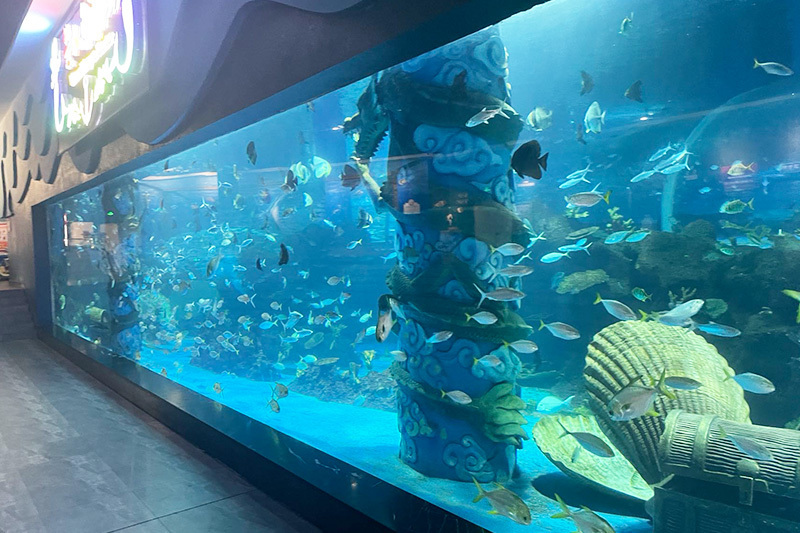
Acrylic tanks boast superior clarity compared to glass. The optical quality of acrylic allows for a stunning viewing experience that enhances the beauty of your fish and aquatic landscape. With acrylic, the colors of your fish appear more vibrant, making your aquarium a focal point of your home.
2.3 Customization Options
Acrylic is an incredibly versatile material. Aquarists can enjoy a wide variety of sizes, shapes, and designs, ensuring that there’s an ideal tank for every space and aesthetic. This level of customization allows hobbyists to create unique environments tailored to the specific needs of their fish.
3. Essential Features of Acrylic Fish Tanks
When selecting an acrylic fish tank, certain features are crucial for the health and happiness of your aquatic pets.
3.1 Thickness Matters
The thickness of the acrylic plays a vital role in the tank’s durability and structural integrity. A thicker acrylic panel provides better insulation, helping to maintain stable water temperatures while also resisting impacts and scratches.
3.2 Built-in Filtration Systems
Many modern acrylic fish tanks come equipped with advanced filtration systems. These integrated systems not only save space but also provide efficient cleaning capabilities, helping to keep the water clear and safe for your fish.
3.3 UV Protection
Acrylic tanks can be designed with UV protection to help reduce the growth of harmful algae and protect fish from excessive UV exposure. This feature promotes a healthier aquarium environment and prolongs the lifespan of the tank itself.
4. Choosing the Right Acrylic Fish Tank for Your Needs
Selecting an acrylic fish tank that best suits your needs involves considering various factors, including size, shape, and compatibility with fish species.
4.1 Size and Shape Considerations
The size of your acrylic fish tank should align with both the type of fish you intend to keep and the available space in your home. Larger tanks provide more stable water conditions and allow for a diverse range of fish species, while smaller tanks may be suitable for beginners or specific types of fish.
4.2 Compatibility with Fish Species
Different fish species have varying requirements regarding space, water quality, and tank mates. Before selecting your acrylic tank, research the specific needs of your chosen fish to ensure a harmonious aquarium environment.
5. Setting Up Your Acrylic Fish Tank
Setting up your acrylic fish tank involves careful planning and attention to detail.
5.1 Location and Lighting
The location of your tank is critical; it should be placed away from direct sunlight to prevent temperature fluctuations and excessive algae growth. Adequate lighting is also essential, as it promotes plant growth and enhances the appearance of your fish.
5.2 Substrate and Decorations
Choosing the right substrate and decorations is essential for creating a visually appealing and functional aquarium. Consider using natural substrates that promote beneficial bacteria growth and select decorations that provide hiding spots and enrichment for your fish.
6. Maintenance Tips for Acrylic Fish Tanks
Proper maintenance is key to keeping your acrylic fish tank thriving.
6.1 Cleaning Techniques
Cleaning acrylic tanks requires specific techniques to avoid scratching the surface. Use a soft cloth or sponge and avoid abrasive cleaners. Regular cleaning schedules help to maintain water quality and clarity.
6.2 Water Quality Management
Monitoring water quality is crucial in an acrylic fish tank. Regular testing for ammonia, nitrites, and nitrates ensures a healthy environment. Performing partial water changes helps maintain optimal water conditions.
7. Common Myths About Acrylic Fish Tanks
There are several myths surrounding acrylic fish tanks that can mislead potential aquarists. One common myth is that acrylic tanks are prone to yellowing. In reality, high-quality acrylic tanks are designed to resist discoloration and maintain their clarity over time.
8. FAQs About Acrylic Fish Tanks
What are the advantages of acrylic fish tanks compared to glass?
Acrylic fish tanks are lighter, more durable, and offer superior visibility. They also allow for custom designs and have built-in filtration options.
How do I clean my acrylic fish tank without scratching it?
Use soft cloths or sponges designed for acrylic cleaning, and avoid abrasive materials. Regular maintenance will help keep the tank clear without damage.
Can I keep all types of fish in an acrylic tank?
While most fish can thrive in acrylic tanks, it's important to research specific species to ensure compatibility and the right tank conditions.
How often should I change the water in my acrylic fish tank?
It is generally recommended to perform partial water changes of about 10-15% weekly to maintain optimal water quality.
Are acrylic fish tanks more expensive than glass tanks?
While acrylic tanks can be more expensive upfront, their durability and longevity can make them a better investment in the long run.
9. Conclusion
In conclusion, acrylic fish tanks offer a myriad of benefits for both novice and experienced aquarists. Their lightweight nature, crystal-clear visibility, and customizable options create a safe haven for your fish. By understanding their features, setting up the tank properly, and maintaining water quality, you can ensure a thriving aquatic environment. Embracing the world of acrylic tanks not only enhances the beauty of your home but also promotes a healthier life for your beloved fish.
Acrylic fish tank
Latest information


WhatsApp: 8615371043985
Add: CAI Xi Group, CAI Xiang Village, Jichuan Street, Taixing City, Jiangsu Province, China