


Utilizing Acrylic Cylinders in Agricultural Aquaculture Equipment
Acrylic cylinders have emerged as a valuable resource in the field of agricultural equipment, especially within the aquaculture industry. Their unique properties make them particularly suitable for various applications, providing functional advantages that can significantly enhance farming operations. One of the primary benefits of acrylic cylinders is their durability. Unlike traditional glass s
Release time:
2026-06-10
Acrylic cylinders have emerged as a valuable resource in the field of agricultural equipment, especially within the aquaculture industry. Their unique properties make them particularly suitable for various applications, providing functional advantages that can significantly enhance farming operations.
One of the primary benefits of acrylic cylinders is their durability. Unlike traditional glass structures, acrylic is lightweight yet significantly tougher, making it resistant to breakage. This feature is especially important in aquaculture environments where the risk of impacts and environmental stressors can damage fragile materials. Furthermore, acrylic's resistance to UV light ensures that it does not degrade over time when exposed to sunlight, thus maintaining its clarity and strength.
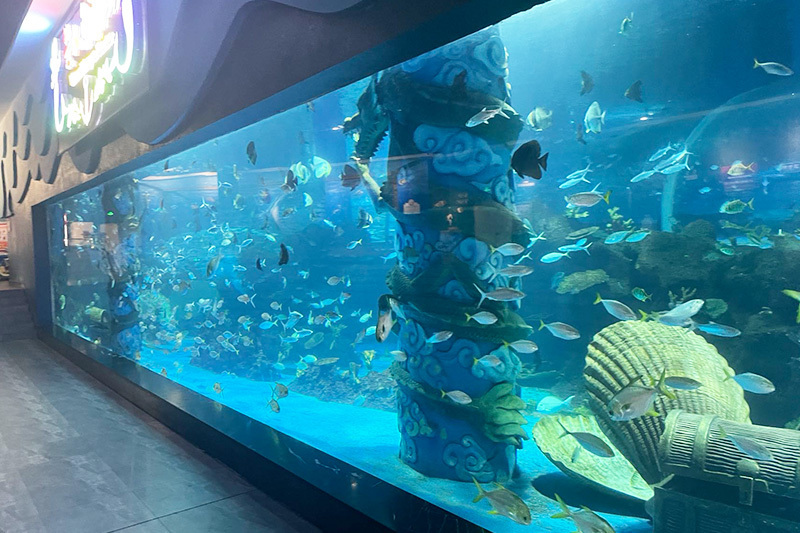
In aquaculture, acrylic cylinders can serve multiple purposes. They are commonly utilized in fish tanks, providing a clear view of aquatic life while allowing for easy monitoring of water conditions. The transparency of acrylic promotes better visibility, which is essential for observing fish behavior and overall health. Moreover, acrylic's smooth surface minimizes the accumulation of algae and other contaminants, facilitating easier maintenance and promoting a cleaner ecosystem.
Another significant advantage of using acrylic cylinders in aquaculture equipment is their versatility in design. They can be molded into various shapes and sizes, allowing for customized solutions that fit the specific needs of different agricultural facilities. From creating specialized breeding tanks to developing unique filtration systems, acrylic cylinders can adapt to a wide range of applications, enhancing the efficiency of aquaculture operations.
Additionally, these cylinders can play a vital role in hydroponics, particularly in the cultivation of aquatic plants. By utilizing acrylic cylinders as part of a hydroponic system, growers can create an optimal environment for plant growth, ensuring proper nutrient delivery and light penetration. The use of acrylic in these systems helps maintain a stable environment that is crucial for the successful growth of both fish and plants.
In conclusion, acrylic cylinders offer numerous advantages for the agricultural sector, particularly in aquaculture. Their durability, versatility, and ability to provide a clear view of aquatic life make them a preferred choice for many facilities. By incorporating acrylic cylinders into aquaculture systems, operators can enhance their practices, leading to more efficient farming and healthier aquatic ecosystems. As the industry continues to evolve, the use of innovative materials like acrylic will be essential in meeting the growing demands of sustainable agriculture.
One of the primary benefits of acrylic cylinders is their durability. Unlike traditional glass structures, acrylic is lightweight yet significantly tougher, making it resistant to breakage. This feature is especially important in aquaculture environments where the risk of impacts and environmental stressors can damage fragile materials. Furthermore, acrylic's resistance to UV light ensures that it does not degrade over time when exposed to sunlight, thus maintaining its clarity and strength.
In aquaculture, acrylic cylinders can serve multiple purposes. They are commonly utilized in fish tanks, providing a clear view of aquatic life while allowing for easy monitoring of water conditions. The transparency of acrylic promotes better visibility, which is essential for observing fish behavior and overall health. Moreover, acrylic's smooth surface minimizes the accumulation of algae and other contaminants, facilitating easier maintenance and promoting a cleaner ecosystem.
Another significant advantage of using acrylic cylinders in aquaculture equipment is their versatility in design. They can be molded into various shapes and sizes, allowing for customized solutions that fit the specific needs of different agricultural facilities. From creating specialized breeding tanks to developing unique filtration systems, acrylic cylinders can adapt to a wide range of applications, enhancing the efficiency of aquaculture operations.
Additionally, these cylinders can play a vital role in hydroponics, particularly in the cultivation of aquatic plants. By utilizing acrylic cylinders as part of a hydroponic system, growers can create an optimal environment for plant growth, ensuring proper nutrient delivery and light penetration. The use of acrylic in these systems helps maintain a stable environment that is crucial for the successful growth of both fish and plants.
In conclusion, acrylic cylinders offer numerous advantages for the agricultural sector, particularly in aquaculture. Their durability, versatility, and ability to provide a clear view of aquatic life make them a preferred choice for many facilities. By incorporating acrylic cylinders into aquaculture systems, operators can enhance their practices, leading to more efficient farming and healthier aquatic ecosystems. As the industry continues to evolve, the use of innovative materials like acrylic will be essential in meeting the growing demands of sustainable agriculture.
Acrylic cylinder
Latest information


WhatsApp: 8615371043985
Add: CAI Xi Group, CAI Xiang Village, Jichuan Street, Taixing City, Jiangsu Province, China