


Design Tips for Incorporating Acrylic Tunnels into Your Space
Design Tips for Incorporating Acrylic Tunnels into Your Space In the world of interior design, acrylic tunnels have emerged as a unique and versatile element that can elevate both aesthetics and functionality. Incorporating these stylish features into your home or office not only enhances visual appeal but also serves practical purposes. This comprehensive guide will explore various design tips, c
Release time:
2026-06-13
Design Tips for Incorporating Acrylic Tunnels into Your Space
In the world of interior design, acrylic tunnels have emerged as a unique and versatile element that can elevate both aesthetics and functionality. Incorporating these stylish features into your home or office not only enhances visual appeal but also serves practical purposes. This comprehensive guide will explore various design tips, creative uses, and essential considerations for seamlessly integrating acrylic tunnels into your space.
Understanding Acrylic Tunnels and Their Benefits
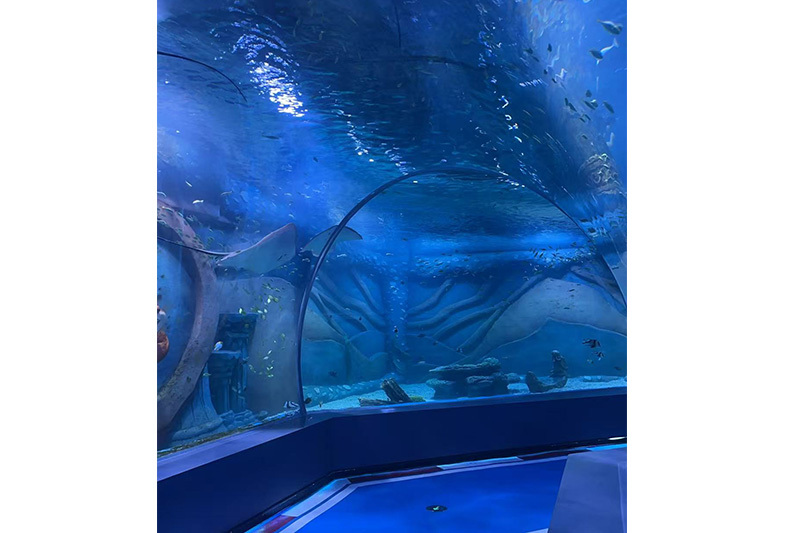
Acrylic tunnels are transparent or translucent structures made from high-quality acrylic material. They can serve various purposes, ranging from decorative elements to actual passageways between different areas. Here’s why they’ve gained popularity in contemporary design:
The Aesthetic Appeal of Acrylic Tunnels
Acrylic tunnels offer a modern and sleek look that can complement various design styles, from minimalist to industrial. Their transparency allows for light to filter through, creating an illusion of space and openness.
Functional Advantages of Acrylic Tunnels
1. **Space Optimization**: Acrylic tunnels can effectively connect two areas, optimizing space usage, especially in smaller homes or offices.
2. **Natural Light Enhancement**: By allowing light to pass through, these tunnels can brighten dim spaces, reducing the need for artificial lighting.
3. **Sound Insulation**: When designed properly, acrylic tunnels can help mitigate sound transmission between rooms, providing a more peaceful environment.
Incorporating Acrylic Tunnels: Key Design Considerations
When considering the integration of acrylic tunnels into your space, several factors must be evaluated to ensure a harmonious blend with existing decor.
1. Assessing Space and Layout
Evaluate your space's layout before deciding on the placement of acrylic tunnels. Considerations include:
- **Flow of Movement**: Ensure that the tunnels facilitate easy movement between spaces without obstructing pathways.
- **Proportionality**: Match the size of the tunnel with the dimensions of the rooms to maintain a balanced appearance.
2. Selecting the Right Style and Finish
Acrylic tunnels come in various styles, finishes, and colors. Choose options that harmonize with your existing decor:
- **Clear vs. Frosted**: Clear acrylic offers a sleek look, while frosted options provide privacy.
- **Color Choices**: Consider colored acrylic to add a pop of personality that complements your color scheme.
3. Lighting Considerations
Lighting plays a crucial role in enhancing the beauty of acrylic tunnels. Here are some tips:
- **Backlighting**: Incorporate LED lights behind or beneath the tunnel to create a stunning visual effect.
- **Ambient Lighting**: Position nearby lights to enhance the acrylic's transparency, creating a warm, inviting atmosphere.
Creative Uses for Acrylic Tunnels in Interior Design
Beyond their basic function, acrylic tunnels can be used creatively to add unique elements to your space.
1. Decorative Hallways
Transform a mundane hallway into a stunning feature with an acrylic tunnel. This can create an illusion of space while serving as a conversation starter.
2. Room Dividers
Acrylic tunnels can act as stylish room dividers, providing visual separation without blocking light or airflow. This is particularly beneficial in open-concept homes.
3. Custom Displays
Utilize acrylic tunnels for custom display cases. This can be ideal for showcasing art, collectibles, or plants while keeping them protected.
Installation Tips for Acrylic Tunnels
Installing acrylic tunnels requires careful planning and execution. Here are some essential tips to consider:
1. Professional Help vs. DIY
Depending on your skills and the complexity of the installation, you may choose to hire professionals or tackle the project yourself. For intricate designs, professional installation may ensure better results.
2. Tools and Materials Needed
If you opt for a DIY approach, gather the following tools and materials:
- **Cutting Tools**: For precise measurements and cuts.
- **Acrylic Adhesive**: A specialized adhesive that bonds acrylic without causing damage.
- **Measuring Tape**: To ensure accurate dimensions.
3. Safety Precautions
Always prioritize safety when working with acrylic materials. Use protective gear such as gloves and goggles to prevent injury during installation.
Incorporating Acrylic Tunnels in Different Spaces
Acrylic tunnels can be successfully integrated into various settings, each with unique design considerations.
1. Residential Spaces
In homes, acrylic tunnels can enhance aesthetics and functionality in areas such as:
- **Living Rooms**: Create a stunning focal point or divide spaces for various activities.
- **Kitchens**: Use tunnels to connect dining areas with cooking spaces, promoting an open-flow design.
2. Commercial Spaces
For businesses, acrylic tunnels can be particularly beneficial:
- **Offices**: Use them to create a modern, open-plan environment that encourages collaboration.
- **Retail Stores**: Incorporate tunnels as part of display spaces to guide customers through the store effectively.
3. Outdoor Applications
Acrylic tunnels can also be utilized in outdoor settings, creating pathways through gardens or outdoor seating areas. Their durability against weather elements makes them an excellent choice for external designs.
Maintenance and Care for Acrylic Tunnels
To ensure longevity and clarity, proper maintenance of acrylic tunnels is essential.
1. Cleaning Techniques
Use a soft cloth and a mild soap solution to clean acrylic surfaces. Avoid abrasive materials that can scratch the surface.
2. Regular Inspections
Conduct regular inspections to check for any signs of wear or damage. Address any issues promptly to maintain both safety and aesthetics.
Frequently Asked Questions (FAQs)
1. Are acrylic tunnels durable?
Yes, acrylic tunnels are durable and resistant to UV light, making them suitable for both indoor and outdoor use.
2. Can acrylic tunnels be customized?
Absolutely! Acrylic tunnels can be customized in terms of size, shape, and color to match your specific design needs.
3. Do acrylic tunnels require special installation techniques?
While basic installation techniques can suffice for simple designs, complex installations may require professional help.
4. How do I maintain acrylic tunnels?
Regular cleaning with a soft cloth and mild soap, along with routine inspections for damage, is recommended for maintaining acrylic tunnels.
5. Where can I use acrylic tunnels effectively?
Acrylic tunnels can be effectively used in residential spaces, commercial environments, and even outdoor settings to enhance aesthetics and functionality.
Conclusion
Incorporating acrylic tunnels into your space can significantly enhance both the visual appeal and functionality of your environment. By understanding their benefits, creative uses, and installation techniques, you can seamlessly blend these unique features into your home or office. Whether used as decorative hallways, room dividers, or custom displays, acrylic tunnels offer a modern twist to traditional design elements. With the right planning and execution, these stunning additions can transform any space and leave a lasting impression. Embrace the versatility of acrylic tunnels and elevate your interior design today!
Acrylic tunnel
Previous Page
Previous Page
Latest information



WhatsApp: 8615371043985
Add: CAI Xi Group, CAI Xiang Village, Jichuan Street, Taixing City, Jiangsu Province, China