


Understanding the Cost-Effectiveness of Acrylic Fish Tanks: A Comprehensive Guide
Understanding the Cost-Effectiveness of Acrylic Fish Tanks Table of Contents 1. Introduction to Acrylic Fish Tanks 2. Cost Analysis: Acrylic vs. Glass Fish Tanks 2.1 Initial Purchase Cost 2.2 Long-Term Maintenance Costs 3. Advantages of Acrylic Fish Tanks 3.1 Weight and Portability 3.2 Clarity and Aesthetics 3.3 Insulation Properties 4. Disadvantages of Acrylic Fish Tanks 4.1 Scratching and Damage
Release time:
2026-07-08
Understanding the Cost-Effectiveness of Acrylic Fish Tanks
Table of Contents
1. Introduction to Acrylic Fish Tanks
2. Cost Analysis: Acrylic vs. Glass Fish Tanks
2.1 Initial Purchase Cost
2.2 Long-Term Maintenance Costs
3. Advantages of Acrylic Fish Tanks
3.1 Weight and Portability
3.2 Clarity and Aesthetics
3.3 Insulation Properties
4. Disadvantages of Acrylic Fish Tanks
4.1 Scratching and Damage Vulnerability
4.2 UV Stability and Yellowing
5. Suitability of Acrylic Fish Tanks for Different Aquatic Environments
5.1 Freshwater vs. Saltwater Systems
5.2 Aquascaping and Habitat Considerations
6. Conclusion: Making Informed Decisions
7. FAQs
1. Introduction to Acrylic Fish Tanks
Acrylic fish tanks have gained significant popularity among aquarists and facility managers due to their unique properties and advantages over traditional glass tanks. Understanding the cost-effectiveness of these tanks is crucial for anyone considering setting up an aquarium system, whether for personal enjoyment or commercial purposes. This guide will delve deep into the economic aspects of acrylic fish tanks, comparing them with glass options and discussing their overall value in the aquatic industry.
2. Cost Analysis: Acrylic vs. Glass Fish Tanks
When evaluating the cost-effectiveness of acrylic fish tanks, it's essential to consider both initial investment and long-term expenses associated with maintenance and operation.
2.1 Initial Purchase Cost
Typically, acrylic fish tanks may have a higher initial purchase price than their glass counterparts. This disparity is primarily due to the manufacturing process and the raw materials used in creating acrylic. However, many users find that the benefits of acrylic—such as lighter weight and better insulation—can justify the upfront cost.
2.2 Long-Term Maintenance Costs
While acrylic tanks might require a more significant initial investment, they can be more cost-effective in the long run. Acrylic is less prone to breakage than glass, which can lead to costly repairs or replacements. Additionally, acrylic tanks often have better insulation properties, which can reduce heating and cooling costs for the aquatic environment.
3. Advantages of Acrylic Fish Tanks
Acrylic fish tanks offer several advantages that make them appealing to both hobbyists and commercial users.
3.1 Weight and Portability
One of the most significant benefits of acrylic tanks is their lightweight nature. Acrylic is much lighter than glass, making it easier to transport and install. This feature is particularly valuable for larger tanks or for setups that require frequent relocation.
3.2 Clarity and Aesthetics
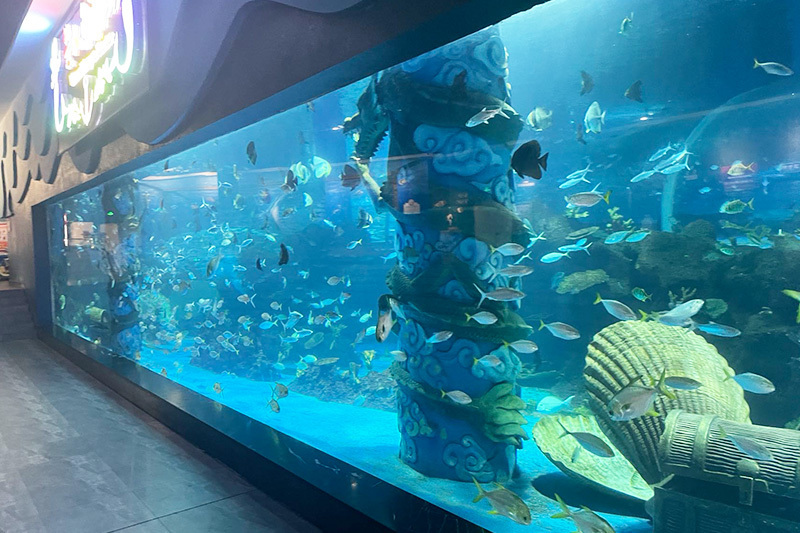
Acrylic provides exceptional clarity, often surpassing that of glass. This clarity enhances the visual appeal of the aquarium, allowing for a more immersive viewing experience. Additionally, acrylic can be molded into various shapes and sizes, offering more design flexibility for unique aquatic environments.
3.3 Insulation Properties
Acrylic tanks exhibit better insulation properties than glass. This characteristic helps maintain a stable water temperature, which is crucial for the health of the aquatic inhabitants. Lower temperature fluctuations can result in reduced energy costs for heating systems, further enhancing the economic value of acrylic tanks.
4. Disadvantages of Acrylic Fish Tanks
Despite their advantages, acrylic fish tanks come with certain drawbacks that potential buyers should consider.
4.1 Scratching and Damage Vulnerability
Acrylic is more susceptible to scratching compared to glass. Over time, this can detract from the tank's clarity and overall aesthetic appeal. Proper care and maintenance are essential to mitigate this issue, including using non-abrasive cleaning tools and solutions.
4.2 UV Stability and Yellowing
Another concern with acrylic tanks is their UV stability. Over prolonged exposure to sunlight, acrylic can develop a yellow tint, diminishing its clarity. Users should consider tank placement and potentially invest in UV-resistant coatings to prolong the tank's lifespan.
5. Suitability of Acrylic Fish Tanks for Different Aquatic Environments
Acrylic fish tanks can be tailored to various aquatic setups, but their suitability can depend on specific environmental considerations.
5.1 Freshwater vs. Saltwater Systems
Both freshwater and saltwater systems can benefit from acrylic tanks, but saltwater setups may pose additional challenges due to the corrosive nature of salt. Users should ensure they select high-quality acrylic tanks specifically designed to withstand saltwater environments.
5.2 Aquascaping and Habitat Considerations
Acrylic tanks' flexibility in design allows for intricate aquascaping possibilities. Whether creating a lush freshwater landscape or a complex reef system, acrylic can accommodate various designs, enhancing the overall aesthetic and functionality of the aquarium.
6. Conclusion: Making Informed Decisions
In summary, the cost-effectiveness of acrylic fish tanks stems from a combination of initial investment and long-term benefits. While they may initially be more expensive than glass tanks, their advantages—such as lightweight construction, superior clarity, and better insulation—often outweigh the negatives. Aquarists and facility managers must weigh these factors when making an informed decision about their aquatic setups.
7. FAQs
1. Are acrylic fish tanks more expensive than glass tanks?
Acrylic tanks generally have a higher initial purchase price than glass tanks, but their long-term benefits often justify the cost.
2. How do I maintain an acrylic fish tank?
To maintain an acrylic fish tank, clean it regularly with non-abrasive tools and avoid exposing it to direct sunlight to prevent yellowing.
3. Can acrylic fish tanks be used for saltwater environments?
Yes, acrylic fish tanks can be used for saltwater environments, but it’s essential to choose high-quality materials designed to withstand corrosion.
4. Do acrylic fish tanks scratch easily?
Yes, acrylic is more susceptible to scratching compared to glass. Proper care during cleaning can help minimize this issue.
5. What are the benefits of better insulation in acrylic tanks?
Better insulation helps maintain stable water temperatures, resulting in reduced energy costs for heating and cooling, which is beneficial for the aquatic inhabitants' health.
This comprehensive guide provides an in-depth look into the cost-effectiveness of acrylic fish tanks, ensuring that users can make informed decisions tailored to their specific needs and circumstances.
Acrylic fish tank
Latest information


WhatsApp: 8615371043985
Add: CAI Xi Group, CAI Xiang Village, Jichuan Street, Taixing City, Jiangsu Province, China