


Enhancing Aquaculture with Acrylic Cylinders: A Comprehensive Guide
Acrylic cylinders have emerged as a vital component in the aquaculture industry, particularly in the field of facility agriculture and fishery equipment. Their versatility and durability make them an ideal choice for various applications, ranging from water filtration systems to aquaponics setups. This article delves into the numerous advantages of using acrylic cylinders in aquaculture, emphasizi
Release time:
2026-07-11
Acrylic cylinders have emerged as a vital component in the aquaculture industry, particularly in the field of facility agriculture and fishery equipment. Their versatility and durability make them an ideal choice for various applications, ranging from water filtration systems to aquaponics setups. This article delves into the numerous advantages of using acrylic cylinders in aquaculture, emphasizing their importance in promoting sustainable farming practices and enhancing operational efficiency.
One of the primary benefits of acrylic cylinders is their excellent optical clarity. This property allows for easy monitoring of aquatic life and water quality, crucial factors in a successful aquaculture environment. With the ability to visually assess the health of fish and the condition of the water, farmers can implement timely interventions, ultimately improving the productivity of their operations.
In addition to visibility, acrylic is known for its lightweight nature compared to traditional glass materials. This characteristic simplifies the installation and handling of aquaculture systems, making it easier for operators to set up and maintain their equipment. The reduced weight also translates to lower shipping costs, enhancing the overall economic feasibility of using acrylic cylinders in aquaculture applications.
Another significant advantage of acrylic cylinders is their resistance to impact and environmental factors. Unlike glass, which can shatter and pose risks to both aquatic life and personnel, acrylic is highly durable and can withstand harsh conditions. This resilience makes acrylic cylinders a safer choice in settings where accidental drops or extreme temperatures are a concern.
Furthermore, acrylic cylinders can be manufactured in a variety of shapes and sizes, offering flexibility for specific aquaculture needs. Whether for creating custom filtration systems or designing unique aquaponics structures, the adaptability of acrylic allows for innovative solutions tailored to individual farm requirements. This customization potential can lead to improved water circulation, better nutrient distribution, and ultimately, healthier aquatic ecosystems.
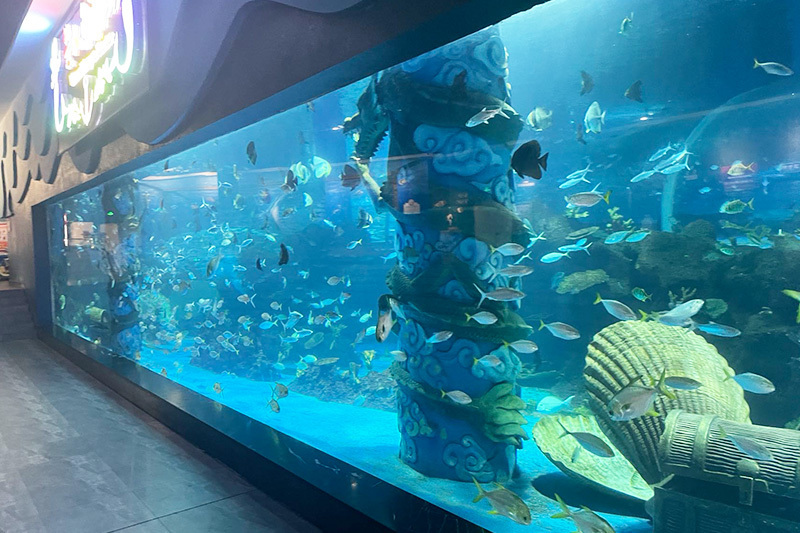
Beyond their practical applications, acrylic cylinders also contribute to the aesthetic appeal of aquaculture operations. Their transparency provides a visually pleasing environment, making them an attractive choice for educational facilities or public aquariums. This visual appeal can be a valuable asset, helping to engage visitors and promote awareness about sustainable aquaculture practices.
In conclusion, acrylic cylinders serve as an essential tool in the aquaculture industry, offering numerous benefits that enhance operational efficiency and promote sustainable practices. Their clarity, lightweight nature, durability, and customization potential make them an ideal choice for various applications within fish farming. By incorporating acrylic cylinders into aquaculture systems, farmers can improve productivity, ensure the health of their aquatic life, and contribute to the advancement of sustainable agricultural practices.
One of the primary benefits of acrylic cylinders is their excellent optical clarity. This property allows for easy monitoring of aquatic life and water quality, crucial factors in a successful aquaculture environment. With the ability to visually assess the health of fish and the condition of the water, farmers can implement timely interventions, ultimately improving the productivity of their operations.
In addition to visibility, acrylic is known for its lightweight nature compared to traditional glass materials. This characteristic simplifies the installation and handling of aquaculture systems, making it easier for operators to set up and maintain their equipment. The reduced weight also translates to lower shipping costs, enhancing the overall economic feasibility of using acrylic cylinders in aquaculture applications.
Another significant advantage of acrylic cylinders is their resistance to impact and environmental factors. Unlike glass, which can shatter and pose risks to both aquatic life and personnel, acrylic is highly durable and can withstand harsh conditions. This resilience makes acrylic cylinders a safer choice in settings where accidental drops or extreme temperatures are a concern.
Furthermore, acrylic cylinders can be manufactured in a variety of shapes and sizes, offering flexibility for specific aquaculture needs. Whether for creating custom filtration systems or designing unique aquaponics structures, the adaptability of acrylic allows for innovative solutions tailored to individual farm requirements. This customization potential can lead to improved water circulation, better nutrient distribution, and ultimately, healthier aquatic ecosystems.
Beyond their practical applications, acrylic cylinders also contribute to the aesthetic appeal of aquaculture operations. Their transparency provides a visually pleasing environment, making them an attractive choice for educational facilities or public aquariums. This visual appeal can be a valuable asset, helping to engage visitors and promote awareness about sustainable aquaculture practices.
In conclusion, acrylic cylinders serve as an essential tool in the aquaculture industry, offering numerous benefits that enhance operational efficiency and promote sustainable practices. Their clarity, lightweight nature, durability, and customization potential make them an ideal choice for various applications within fish farming. By incorporating acrylic cylinders into aquaculture systems, farmers can improve productivity, ensure the health of their aquatic life, and contribute to the advancement of sustainable agricultural practices.
Acrylic cylinder
Latest information


WhatsApp: 8615371043985
Add: CAI Xi Group, CAI Xiang Village, Jichuan Street, Taixing City, Jiangsu Province, China