


Understanding Acrylic Tunnels: Key Features and Applications in the Plastics Industry
Acrylic tunnels, formed from cast or extruded acrylic, are hollow cylindrical structures commonly utilized in various industrial and commercial applications. Their lightweight, durable nature makes them ideal for a wide range of uses, particularly in the chemical and plastics sectors. Understanding the properties and advantages of acrylic tunnels can help professionals make informed decisions abou
Release time:
2026-07-29
Acrylic tunnels, formed from cast or extruded acrylic, are hollow cylindrical structures commonly utilized in various industrial and commercial applications. Their lightweight, durable nature makes them ideal for a wide range of uses, particularly in the chemical and plastics sectors. Understanding the properties and advantages of acrylic tunnels can help professionals make informed decisions about their applications and integration into specific projects.
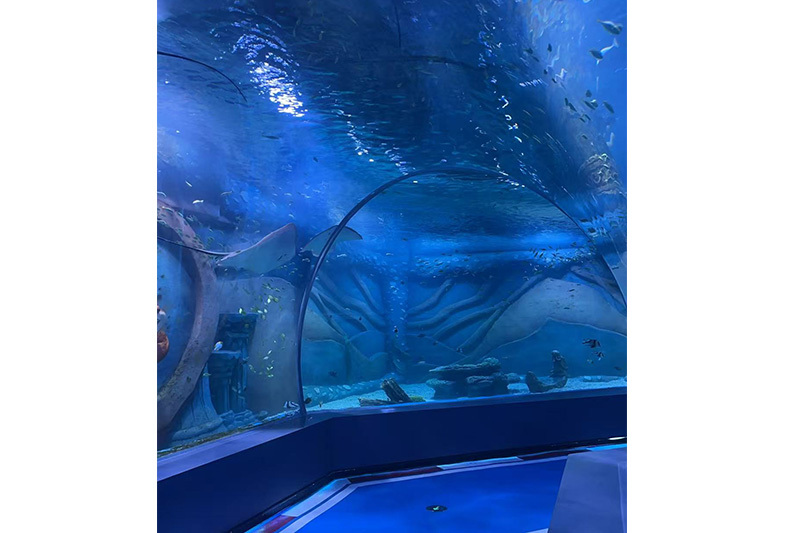
One of the significant advantages of acrylic tunnels is their optical clarity. Acrylic has a high light transmission rate, allowing for nearly 92% of light to pass through. This property is especially useful in applications where visibility or aesthetics are important. For instance, in display cases or lighting fixtures, acrylic tunnels can enhance visual appeal while maintaining structural integrity.
In addition to their clarity, acrylic tunnels exhibit excellent resistance to UV radiation, which makes them suitable for outdoor applications where exposure to sunlight is a concern. Unlike some other materials that may degrade or yellow over time when exposed to UV light, acrylic remains stable and retains its transparency, making it a preferred choice for applications like signage, aquariums, and protective barriers.
Another noteworthy feature of acrylic tunnels is their impact resistance. Compared to glass, acrylic is significantly more resistant to shattering and breaking, making it a safer alternative in environments where durability is crucial. This characteristic is particularly advantageous in settings such as schools, hospitals, and public spaces, where safety is a priority.
The manufacturing process of acrylic tunnels allows for customization in terms of size, thickness, and color. This flexibility enables engineers and designers to tailor these tunnels to meet specific requirements for different projects. Whether it’s for ventilation systems, fluid transport, or decorative purposes, the ability to modify design parameters makes acrylic tunnels a practical solution.
Furthermore, acrylic tunnels are relatively easy to fabricate. They can be cut, drilled, and shaped with standard tools, which simplifies the installation process and reduces labor costs. This ease of handling, combined with their longevity and aesthetic appeal, makes them a favored choice among professionals in the plastics industry.
In conclusion, acrylic tunnels are an essential element in the chemical and plastics sectors, offering a combination of durability, clarity, and design flexibility. Understanding their properties and applications can greatly enhance project outcomes, ensuring that professionals can effectively utilize these materials to meet diverse needs. By leveraging the unique features of acrylic tunnels, businesses can improve not just functionality but also the overall aesthetic of their products and installations.
One of the significant advantages of acrylic tunnels is their optical clarity. Acrylic has a high light transmission rate, allowing for nearly 92% of light to pass through. This property is especially useful in applications where visibility or aesthetics are important. For instance, in display cases or lighting fixtures, acrylic tunnels can enhance visual appeal while maintaining structural integrity.
In addition to their clarity, acrylic tunnels exhibit excellent resistance to UV radiation, which makes them suitable for outdoor applications where exposure to sunlight is a concern. Unlike some other materials that may degrade or yellow over time when exposed to UV light, acrylic remains stable and retains its transparency, making it a preferred choice for applications like signage, aquariums, and protective barriers.
Another noteworthy feature of acrylic tunnels is their impact resistance. Compared to glass, acrylic is significantly more resistant to shattering and breaking, making it a safer alternative in environments where durability is crucial. This characteristic is particularly advantageous in settings such as schools, hospitals, and public spaces, where safety is a priority.
The manufacturing process of acrylic tunnels allows for customization in terms of size, thickness, and color. This flexibility enables engineers and designers to tailor these tunnels to meet specific requirements for different projects. Whether it’s for ventilation systems, fluid transport, or decorative purposes, the ability to modify design parameters makes acrylic tunnels a practical solution.
Furthermore, acrylic tunnels are relatively easy to fabricate. They can be cut, drilled, and shaped with standard tools, which simplifies the installation process and reduces labor costs. This ease of handling, combined with their longevity and aesthetic appeal, makes them a favored choice among professionals in the plastics industry.
In conclusion, acrylic tunnels are an essential element in the chemical and plastics sectors, offering a combination of durability, clarity, and design flexibility. Understanding their properties and applications can greatly enhance project outcomes, ensuring that professionals can effectively utilize these materials to meet diverse needs. By leveraging the unique features of acrylic tunnels, businesses can improve not just functionality but also the overall aesthetic of their products and installations.
Acrylic tunnel
Latest information



WhatsApp: 8615371043985
Add: CAI Xi Group, CAI Xiang Village, Jichuan Street, Taixing City, Jiangsu Province, China